Moving to Busan: 7 Expat Tips
Moving to Busan: 7 Expat Tips
Moving to Busan as an Indian expat eight months ago turned out to be completely different from what my late-night internet searches had prepared me for. I stepped off the KTX train at Busan Station carrying two oversized suitcases packed with instant spice mixes, assuming I would face an uphill struggle with coastal humidity, local transport, and everyday home cooking. My daily routine settled into a steady rhythm near Centum City, but the initial four weeks were filled with trial and error regarding deposit money, garbage disposal rules, and mapping apps. The real challenges were rarely discussed on general travel sites, which focus on beach reviews rather than administrative realities.
Legal and financial housing regulations in South Korea require careful verification through registered real estate brokers (Gongin Junggaesa) and official immigration channels. This account shares personal experiences and general cost estimates to help you navigate your own move smoothly.
Is finding Indian groceries and spices hard in Busan?
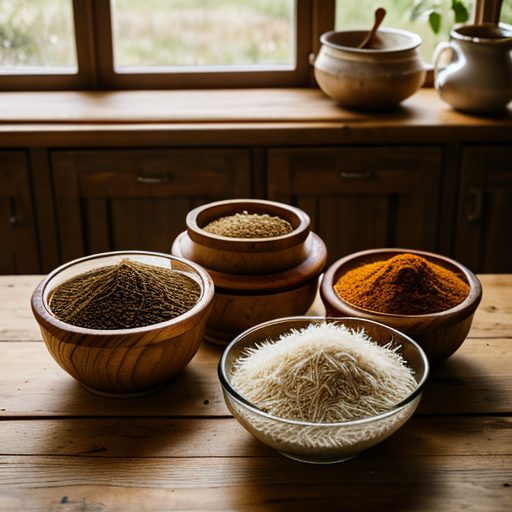
You can buy almost every essential Indian spice, lentil, and grain directly inside Busan without paying expensive international shipping fees. Specialty stores located near Busan Station and online expat food markets stock everything from chana dal to mustard seeds.
During my first weekend in Haeundae, I panicked because local superstores like E-Mart and Homeplus carried soy sauce, sesame oil, and red pepper flakes, but zero cumin seeds or turmeric powder. I cooked plain rice and salted eggs for three straight days until a colleague mentioned Texas Street, located right across from Busan Station in Choryang-dong. Tucked inside the alleyways, foreign food marts stock fresh cilantro, whole spices, 5kg bags of basmati rice, and authentic Indian spices imported directly from South Asia.
Prices at these local shops are surprisingly fair when compared to regular Korean supermarkets. Buying pantry staples locally saves a significant amount of money and cabinet space.
Pro Tip for Spice Shopping: Visit the international grocery markets near Busan Station Exit 1 or order online through foreign food delivery platforms operating within South Korea. Expect to pay around 4,000 KRW to 6,000 KRW for 500g of whole spices, which lasts several months.
How expensive is renting an apartment in Busan?
Housing in Busan relies heavily on a high-deposit system called Wolse, where you pay a large upfront key deposit alongside monthly rent payments. Studio apartments in popular expat hubs require minimum deposits starting around 5,000,000 KRW.
Back in Bangalore, paying two or three months of rent upfront was standard for a deposit. In Busan, my real estate broker bluntly explained that a smaller deposit meant paying significantly higher monthly rent. I initially looked at modern studio apartments (Officetels) near Seomyeon and Jangsan. A standard studio required a 10,000,000 KRW deposit with a monthly rent of 550,000 KRW, plus monthly maintenance fees (Gwanribi) of roughly 120,000 KRW covering building security, hallway cleaning, and basic internet.
Building utility charges change drastically depending on the winter gas heating (Ondol) and summer air conditioning usage. During my second month in January, leaving the floor gas boiler running on high pushed my heating bill to 110,000 KRW alone.
| Neighborhood | Average Deposit (KRW) | Monthly Rent (KRW) | Monthly Utilities & Maintenance | Key Characteristics |
|---|---|---|---|---|
| Haeundae / Jangsan | 5,000,000 - 10,000,000 | 500,000 - 700,000 | 120,000 - 180,000 | Near beach, expat friendly, line 2 subway access |
| Seomyeon / Busanjin | 5,000,000 - 10,000,000 | 450,000 - 650,000 | 100,000 - 150,000 | Central transit hub, nightlife, commercial center |
| PNU / Geumjeong-gu | 3,000,000 - 5,000,000 | 350,000 - 500,000 | 70,000 - 110,000 | University area, cheaper food options, youthful atmosphere |
| Suyeong / Gwangan | 5,000,000 - 10,000,000 | 480,000 - 680,000 | 100,000 - 160,000 | Gwangalli beach access, cafes, residential pockets |
Which navigation map app works best for daily travel?
Naver Map and KakaoMap are essential for daily life in South Korea because Google Maps does not provide accurate walking or driving turn-by-turn directions due to national mapping security laws. Downloading Naver Map immediately resolves public transit confusion.
On my third day, I tried walking from Gwangan Station toward the beach promenade using Google Maps. The GPS pin hovered uselessly over a blank grey screen, leaving me stranded in a maze of back alleys behind a residential apartment complex. A local shopkeeper noticed my confusion and pointed down the street, writing "Naver Map" on a notepad.
Switching to Naver Map changed everything. The app shows exact bus arrival times down to the second, which door to board on subway trains for fast transfers, and whether a city bus is currently crowded. Since Busan is built across mountain ridges and ocean bays, knowing whether a walking path involves steep staircases makes a huge difference in summer heat.
How do you manage household trash and recycling in Busan?
Busan strictly enforces a pay-as-you-throw trash system using official designated plastic bags (Jongnyangje bongtu) bought at local convenience stores. Food waste and recyclables must be separated entirely from general household waste.
My first major mistake happened during week two. I packed mixed household garbage into a standard white plastic shopping bag and left it in the residential disposal corner outside my apartment villa. The next morning, I found the bag tagged with a red warning sticker, accompanied by an annoyed note from the building manager. I spent that evening sorting out paper, vinyl wrappers, plastic bottles, and food scraps into separate plastic bins.
General trash goes exclusively into official district bags sold at CU, GS25, or Seven-Eleven counters. Food waste (Eum sik mul) must be drained of all liquid before going into specialized food collection bins using prepaid tags or dedicated yellow food waste bags, depending on your specific neighborhood ward (Gu).
Recycling Checklist: Clear plastic bottles must have their labels removed and be crushed flat before disposal. Pizza boxes with grease stains belong in the general waste bag, not the paper recycling bin.

Can you open a bank account before getting an ARC?
Most major South Korean banks require a physical Alien Registration Card (ARC) to open a full-service bank account with online banking and debit card privileges. Temporary bank accounts opened with just a passport carry heavy daily transfer limits.
Waiting for my ARC appointment at the Busan Immigration Office near Jung-ang Station took four full weeks after landing. During that month, spending money felt clumsy because cash payments are increasingly rare in modern Korean shops. I opened a basic temporary passport account at a Hana Bank branch in Seomyeon, but the daily withdrawal limit was capped tightly at 300,000 KRW per day.
Once my ARC arrived in the mail, I returned to the bank to upgrade my account status. I immediately set up remittance apps like SentBe to wire money directly to my bank account back home in India, which offered lower processing fees and far better exchange rates than traditional wire transfers.
What public transit option saves the most money in Busan?
Using a rechargeable T-Money or Cashbee transit card gives you free transfers between subway lines and city buses within a 30-minute window. Taxis are convenient, but riding the subway and village buses (Maeul bus) cuts daily travel costs dramatically.
Busan’s subway network operates four main lines connecting the entire urban coastline. A single subway ride costs 1,450 KRW when paying with a transit card. During my daily commute between Haeundae and Centum City, tapping off the subway train and tapping onto a local green village bus to head uphill costs zero extra base fare as long as the transfer occurs within 30 minutes.
Taxis are readily available via Kakao T app, starting at a base fare of 4,800 KRW, but traffic jams along the coastal bridges during peak evening hours can double your fare unexpectedly. Sticking to the underground rail system keeps your schedule predictable and budget safe.
How can expats connect and find community in Busan?
Connecting with locals and fellow international residents is straightforward through community hubs like the Busan Global City Foundation and local language exchange meetups. Joining neighborhood activities prevents the isolation that often hits during the second month of living abroad.
During my first month, spending weeknights alone inside a quiet studio apartment felt lonely. I booked a free Saturday cultural orientation session hosted at the Busan Global City Foundation in Yangjeong. There, I met expats from India, Germany, and Brazil who had been living along the southern coast for years. They introduced me to weekend hiking groups that tackle Mount Geumjeongsan and coastal walking trails near Igidae.
Participating in weekly language meetups in Seomyeon gave me a low-pressure environment to practice basic Korean phrases like "Gwanse-eyo" (Thank you) and "Eolma-e-yo?" (How much is this?), while helping local college students practice English. Those simple social connections transformed my relocation from an intimidating administrative task into a fulfilling lifestyle.
Current Routine: Eight months later, my morning commute starts with a quick tap of my transit card, my kitchen cabinet is fully stocked with lentils from Choryang, and trash sorting takes less than five minutes every Tuesday evening. Preparing for the upfront costs and learning local systems early makes living in Busan comfortable and deeply rewarding.