Living in Korea as an Indian
Living in Korea as an Indian: Culture Shock, Finding Desi Food, and Making Local Friends
결론부터: Living in Korea as an Indian: Culture Shock, Finding Desi Food, and Making Local Friends is a journey of adapting to a completely new social grid where spicy street food meets subtle hierarchy rules. Two years ago, I landed at Incheon International Airport with two heavy suitcases filled with homemade garam masala and a head full of K-drama fantasies. The reality hit me by my second week in Seoul when I tried to buy groceries without knowing any Hangul, standing bewildered in front of seaweed snacks that looked nothing like home. Anyone relocating from Mumbai or Delhi to the Korean peninsula faces a steep learning curve regarding social etiquette, dietary shifts, and language barriers. This guide maps out what I wish someone had told me before I unpacked my first box in a tiny officetel.
What is the biggest culture shock moving from India to Korea?
The most jarring cultural shift is the invisible social hierarchy governed by age and status, alongside an overwhelming collective pace of daily life known as ppalli-ppalli (hurry-hurry). In my first month working at an IT firm in Gangnam, I committed a massive social blunder by speaking casually to a senior colleague just two years older than me. Back in my office in Bengaluru, a relaxed first-name basis was standard, but in Seoul, age seniority dictates bowing depths, seating arrangements, and even how you hold a drinking glass with both hands. Another shock was public silence. In Indian local trains, chatter and music fill the air, whereas the Seoul Subway Line 2 operates in near-total quiet except for electronic station announcements. I had to learn to mute my phone immediately upon boarding and keep my voice down to a whisper during phone calls.
Adapting to these unspoken rules took me nearly three months of awkward social interactions and occasional misunderstandings. I found that Koreans appreciate foreigners who make even a clumsy attempt to follow local customs, such as taking off shoes at the doorway or offering business cards with both hands. The collective mindset means people notice your actions in public spaces much more intensely than in sprawling Indian metropolises. Once I stopped fighting the fast pace and started observing how locals navigate public transit and dining etiquette, the friction decreased significantly.
Where can I find authentic desi food and Indian groceries in Korea?
Finding authentic Indian spices and halal ingredients outside of major districts requires knowing specific ethnic hubs like Seoul's Itaewon or Ansan's Multicultural Street. During my first three months, I subsisted on local convenience store gimbap because I thought authentic spices were impossible to source. That changed when I discovered the narrow alleyways behind Itaewon Station, colloquially known as Little India, where small grocery shops stock everything from basmati rice to frozen parathas. Buying imported turmeric and paneer is expensive compared to local vegetable markets, but having a home-cooked curry on a rainy Sunday in Seoul is worth the price markup.
| Item / Ingredient | Typical Price (KRW) | Best Location to Buy | Notes |
|---|---|---|---|
| Basmati Rice (5kg) | 22,000 KRW | Itaewon Foreign Food Mart | Imported from India, available year-round |
| Frozen Paneer (1kg) | 14,000 KRW | Ansan Multicultural Street | Check expiry dates carefully on imported batches |
| Garam Masala (200g) | 6,500 KRW | Online via Coupang | Faster delivery than visiting physical shops in Seoul |
| Fresh Coriander (Bunch) | 3,500 KRW | Traditional Wet Market (Namdaemun) | More affordable than modern department stores |
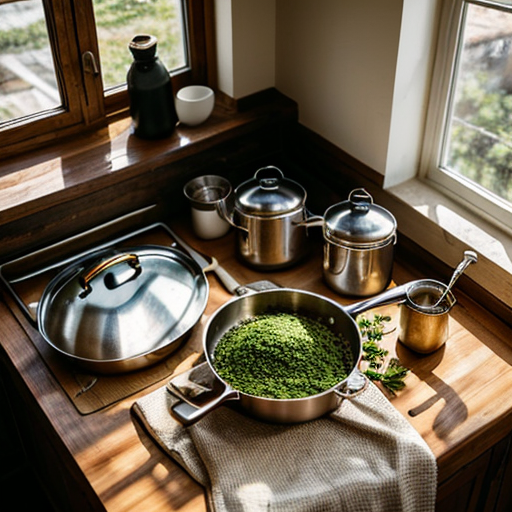
When cooking at home in a rented studio apartment, ventilation becomes an immediate issue due to the lack of exhaust hoods in standard Korean kitchens. My first attempt at making chicken tikka masala filled my entire studio with heavy spice smoke, triggering the fire alarm and drawing an annoyed visit from my landlord. Now, I run a portable induction stove near the window and use heavy lids to trap the aromas. For dining out, areas like Hongdae and Gangnam have excellent modern Indian restaurants run by chefs from Delhi and Punjab, though the spice levels are often toned down to suit local Korean palates unless you explicitly request traditional heat.
How do you make local Korean friends as an expat?
Building genuine friendships with locals requires joining structured hobby groups, language exchange meetups, or hiking clubs rather than expecting organic connections at bars. In my first year, I struggled with loneliness because casual workplace interactions rarely turned into weekend hangouts. Koreans are remarkably polite and helpful on the street, but breaking into their established social circles takes persistent effort over several months. Everything changed when I joined a weekend hiking club on a local mountain near Bukhansan, where the shared physical exertion broke down polite social barriers much faster than office chitchat.
1. Download Meetup or Soomgo and search for language exchange or hiking groups active in your district.
2. Attend at least three consecutive meetings of the same group; consistency builds trust.
3. Learn basic conversational Korean phrases for dining and hobbies to show genuine interest in their culture.
4. Participate in Noraebang (karaoke) sessions when invited, as singing badly together is a fast track to local bonding.
Language exchange apps like HelloTalk also helped me connect with university students in Seoul who wanted to practice English while teaching me casual slang. My Korean friend Min-soo, whom I met at a weekend photography meetup two years ago, eventually taught me how to order food properly at traditional pocha tents and introduced me to regional dishes outside of Seoul. Friendships here develop slowly, built on mutual respect and shared meals rather than immediate emotional depth. Once that trust forms, you gain loyal companions who will help you navigate everything from hospital visits to tax filings.

Living here long-term means accepting that you will always remain a foreigner, but that distinct identity becomes an asset rather than a barrier once you find your rhythm. The initial shock of navigating subway transfers without English signs or finding authentic spices fades into the background as routine takes over. My current routine involves grabbing an iced Americano on the way to work, cooking a spicy dal on weekends, and hiking local trails with friends I made through local clubs. If you are preparing to make this move, pack your patience alongside your favorite spices, and give yourself at least six months to find your footing in this vibrant country.