K-Pop AI Tech: Idol Training
Is the New K-Pop AI Technology Changing How Entertainment Companies Train Idols?
My journey into the heart of Seoul last October began with a simple question about the future of music. Standing outside a sleek, glass-fronted entertainment agency in Gangnam, I watched young trainees rush inside with heavy backpacks, ready for another twelve-hour day of grueling practice. For decades, the recipe for creating K-pop stars remained unchanged: relentless physical practice, human coaches pointing out every microscopic flaw, and years of expensive trial and error. However, a quiet shift is happening inside these closed rooms. Many people wonder, Is the New K-Pop AI Technology Changing How Entertainment Companies Train Idols? After spending two weeks talking to trainers and observing modern practice sessions, I realized the answer is a resounding yes, though not in the way most people expect.

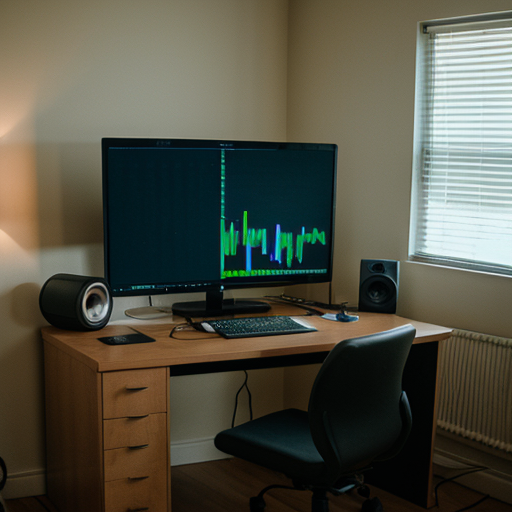
When I first started researching this topic, I was highly skeptical. I assumed AI in music was just a marketing gimmick used to generate virtual avatars or write lazy lyrics. My perspective changed on my third day in Seoul, when an independent label producer allowed me to sit in the back of a vocal practice room. Instead of a coach repeatedly piano-testing a trainee's pitch, a wall-mounted tablet ran a real-time vocal frequency analyzer. The trainee adjusted her pitch based on visual wave feedback before the coach even spoke. This blend of human mentorship and instant digital feedback is reshaping the entire trainee ecosystem.
How does K-Pop AI technology actually work in dance studios?
AI motion analysis systems track trainee movements in real-time through multiple camera angles, comparing their body angles to a pre-recorded master performance by a professional choreographer. During my observation of a mid-sized agency's dance practice, the system flagged a trainee whose left shoulder was consistently three inches too low during a fast chorus sequence.
Traditionally, finding that specific physical misalignment took hours of video review by human eyes. The trainee would practice for a week before receiving feedback, often cementing bad habits into muscle memory. With the new software, the feedback loop shrinks to three minutes. The camera records the dance, the software overlays a colored skeleton on the screen (green for correct angles, red for deviations), and the dancer makes immediate adjustments. This system does not replace the choreographer, who still designs the creative flow, but it acts as a tireless mirror that never misses a detail.
Does AI vocal feedback reduce training costs and time?
Yes, AI vocal feedback systems cut weekly technical vocal training hours by roughly thirty percent, allowing coaches to focus on artistic expression rather than basic pitch and breath control. Trainees use specialized software to run solo scale practices, receiving precise decibel and pitch accuracy ratings.
To understand the scope of this transition, it helps to compare the traditional training model with the modern hybrid approach that incorporates AI. The table below outlines how resources are allocated across different areas based on my discussions with agency administrators in Seoul.
| Training Metric | Traditional Training Model | AI-Assisted Hybrid Model |
|---|---|---|
| Vocal Pitch Corrections | Handled manually by coaches during sessions | Analyzed by AI software during solo practice |
| Dance Synchronization | Group reviews of video tapes late at night | Real-time skeletal overlay during practice |
| Weekly Coach Hours Required | Approximately 25 hours per trainee group | Approximately 15 hours per trainee group |
| Primary Human Coach Role | Teaching both basics and emotional delivery | Refining stage presence and mental stamina |
By delegating mechanical feedback to digital tools, agencies maximize their human resources. Trainees spend their expensive one-on-one time with legendary vocal coaches discussing song interpretation, emotional connection, and stage presence, rather than repeating basic scales for forty minutes. This shift increases the overall quality of training while shortening the preparation timeline before a debut.
Why are entertainment companies investing in K-Pop AI technology?
Entertainment companies invest in AI technology to lower the immense financial risks associated with the multi-year trainee system, which historically sees less than ten percent of trainees actually debut. By filtering talent and accelerating skill acquisition early on, agencies protect their bottom line.
The financial math behind K-pop is staggering. It costs an agency upwards of one hundred thousand dollars per year to house, feed, and train a single trainee under the traditional system. If a trainee takes five years to reach debut readiness, that is a massive upfront investment with zero guarantee of return. When agencies ask, Is the New K-Pop AI Technology Changing How Entertainment Companies Train Idols?, they are looking at it through a lens of survival and scale. AI vocal and movement tracking allows smaller agencies, which lack the massive budgets of giants like HYBE or SM, to train talent to a competitive standard with fewer physical resources.
What are the limits of using AI to build a K-pop idol?
AI cannot teach charisma, star quality, or the ability to connect with a live audience, which remain entirely dependent on human intuition and emotional intelligence. During my talks with industry veterans, this limit was emphasized repeatedly as the ultimate barrier for technology.
At a cozy coffee shop near the old JYP building in Mapo-gu, a retired performance director explained this limitation perfectly. He pointed out that an AI can tell you if your leg is bent at the exact forty-five-degree angle, but it cannot tell you if your gaze is capturing the hearts of the front row. It cannot teach a trainee how to handle a sudden microphone malfunction on a rainy outdoor stage, nor can it provide the emotional comfort needed when a young dancer breaks down from exhaustion. The human connection between coach and student remains the soul of the industry.
How can visitors in Seoul experience this AI music wave firsthand?
Visitors who want to see this technology in action can visit interactive cultural spaces in Seoul that utilize the same motion tracking and vocal analysis systems used by modern agencies. This provides a rare look inside the modern trainee experience without needing an audition.
Step-by-Step Guide to Experiencing K-Pop AI Tech in Seoul
- Visit HiKR Ground in Jung-gu: This multi-floor tourism hub offers free entry and features high-tech K-pop dance booths equipped with real-time motion tracking cameras and customizable digital backdrops.
- Test your rhythm on the sensor floor: Step onto the interactive dance stage where sensors evaluate your footwork accuracy against actual K-pop choreography, mimicking basic agency software.
- Explore the AI music lounges in Hongdae: Several modern coin karaoke spaces and interactive music rooms in the Hongdae area now offer real-time vocal pitch analyzers on their screens, allowing you to see your vocal wave accuracy as you sing.
During my final weekend in Seoul, I spent three hours at HiKR Ground watching tourists and local fans try the motion-tracking dance booth. Many laughed at their low scores, but the underlying technology was identical to the systems I had seen in the Gangnam training rooms just days before. Seeing the technology democratized in public spaces proved to me that the intersection of music and AI is no longer a futuristic concept. It is our current reality, reshaping how we create, practice, and appreciate music.
Disclaimer: While this article details the physical and technical integration of AI in K-pop training, individual trainee experiences may vary depending on agency size and specific software updates.