Busan Travel Tips: Coastal Trip
5 Essential Busan Travel Tips I Wish I Knew Before Booking My First Coastal Trip
My first trip to Busan last October started with a silly mistake. I stepped out of Busan Station at 2:15 PM, tapped my phone to open Google Maps, and expected a smooth walking route to my guesthouse near Choryang-dong. Instead, the screen froze, showing a static blue dot without any turn-by-turn directions. I spent the next 45 minutes wandering up steep residential stairs with a 15-kilogram suitcase in hand. That single afternoon taught me that traveling through South Korea's vibrant coastal metropolis requires a completely different set of tools and strategies than traveling through Tokyo or European cities.
Over five days of exploring Busan's dramatic coastline, from the colorful alleyways of Gamcheon Culture Village to the modern beachfront towers of Haeundae, I took detailed notes on what actually worked and what wasted time. If you are preparing for your first coastal journey, these five essential Busan travel tips will save you money, eliminate transit frustration, and help you experience the city like a seasoned local.
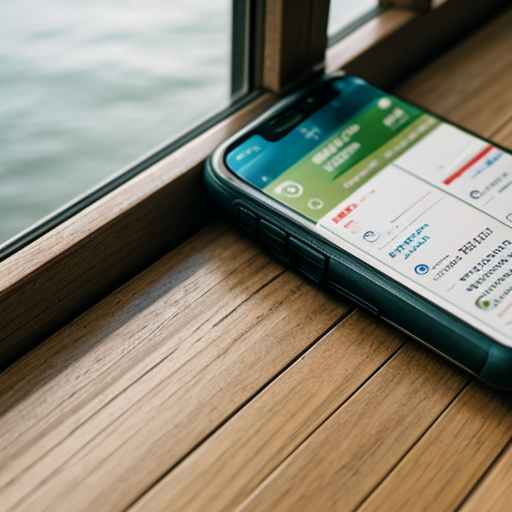
Why does Naver Map work better than Google Maps in Busan?
Naver Map delivers accurate turn-by-turn walking directions, real-time bus arrivals, and exact subway exit numbers that Google Maps cannot provide due to South Korean data security regulations. Relying on Google Maps in Busan often leads to missing transit connections and getting lost in hilly coastal neighborhoods.
During my second morning, I attempted to visit Huinnyeoul Culture Village on Yeongdo Island. Google Maps suggested a single bus route with a 25-minute wait. I decided to open Naver Map (which I had downloaded the night before) and discovered three alternative local buses leaving within four minutes from the exact stop across the street. The app even pointed out which subway exit had an elevator, saving my knees when carrying gear.
Setting up Naver Map takes about five minutes before your flight. You can change the display language to English in the app settings, save your hotel location with a star icon, and download offline bookmark lists. When navigating complex transit hubs like Seomyeon Station, Naver Map explicitly tells you whether to take Exit 7 or Exit 11, which prevents backtracking through underground shopping labyrinths.
Should I stay in Haeundae or Seomyeon on my first visit?
Seomyeon offers the best central subway access and affordable local food for quick transit across the city, while Haeundae provides scenic ocean views and relaxed beachside resorts. Choosing between them depends on whether your itinerary focuses on coastal sight-seeing or budget-friendly regional transit.
On my five-day itinerary, I spent the first two nights in Seomyeon and the remaining two nights in Haeundae. This split strategy proved to be the best decision of the entire trip. Seomyeon sits directly at the intersection of Busan Metro Line 1 and Line 2. From Seomyeon Station, reaching historic sites like Jagalchi Market or Busan Station took under 15 minutes on Line 1, while getting to Gwangalli Beach took roughly 20 minutes on Line 2.
When I moved to Haeundae for the weekend, the mood shifted completely. Wake-up walks along Haeundae Beach and evening visits to the Haeundae Blueline Park coastal train were right outside my door. However, traveling from Haeundae to western sights like Gamcheon Culture Village required almost 65 minutes on public transit. If your trip is under three days, staying near Seomyeon saves hours of daily commuting time.
| Neighborhood | Average Room Rate (KRW) | Key Advantage | Best For |
|---|---|---|---|
| Seomyeon | 70,000 - 110,000 | Metro Line 1 & 2 Junction | First-timers & Budget Travelers |
| Haeundae | 120,000 - 250,000 | Ocean Frontage & Resorts | Relaxation & Beach Sightseeing |
| Gwangalli | 90,000 - 180,000 | Gwangan Bridge Night Views | Cafes, Dining & Couples |
| Nampo-dong | 65,000 - 100,000 | Proximity to Markets & Ferries | Foodies & Cultural Sightseeing |
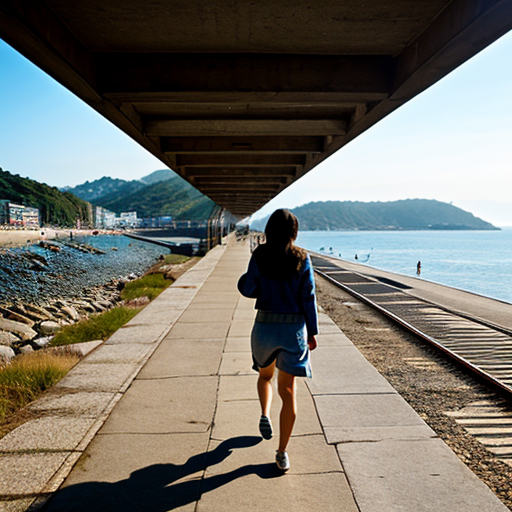
How do I travel efficiently between coastal spots like Gamcheon and Haeundae?
The most efficient way to travel across Busan's linear coastal terrain is combining Busan Metro Lines with targeted express buses or short taxi rides during non-peak hours. Traffic congestion along coastal bridges makes subway transfers significantly faster during morning and evening rush hours.
Busan is geographically wide, stretching over 30 kilometers from Songdo in the west to Songjeong in the east. On day three, I made the mistake of ordering a taxi from Gamcheon Culture Village to Haeundae at 5:30 PM. What should have been a 35-minute drive turned into a 75-minute crawl across the city due to heavy bridge traffic, costing 28,500 KRW.
The next day, I tested the public transit alternative. Taking Metro Line 1 from Nampo to Seomyeon and transferring to Line 2 toward Haeundae took exactly 48 minutes, cost just 1,600 KRW with a T-money card, and avoided all street congestion. For short hops between adjacent coastal spots, such as moving from Haeundae Beach to Cheongsapo, the Haeundae Blueline Park Beach Train or walking along the Green Railway trail is both faster and far more scenic than road travel.
Busan Transit Card Comparison
Before boarding any bus or subway, make sure your physical transit card is loaded with cash. T-money cards and WOWPASS cards work seamlessly across all Busan subway lines, city buses, and local taxis. Tap your card when entering and exiting every bus to activate automatic transfer discounts within a 30-minute window.
What is the best way to save money on Busan coastal attractions?
Purchasing a Visit Busan Pass grants free access to over 30 top attractions, including the Haeundae Blueline Park Beach Train, Busan X the Sky observation deck, and Songdo Marine Cable Car, saving travelers up to 50 percent on combined admission fees.
I purchased the 24-Hour Visit Busan Pass for 55,000 KRW on my third morning, activating it at 10:00 AM at the Songdo Cable Car station. Over the next 24 hours, I used the pass to visit four major attractions that would have cost me over 100,000 KRW if booked individually.
Actual Savings Calculation:
- Songdo Marine Cable Car (Round-trip): 17,000 KRW
- Busan X the Sky (100th Floor View): 27,000 KRW
- Haeundae Blueline Park Beach Train: 12,000 KRW
- Lotte World Adventure Busan: 47,000 KRW
Total Individual Value: 103,000 KRW | Pass Price: 55,000 KRW | Total Savings: 48,000 KRW
The key to maximizing the Visit Busan Pass is grouping attractions by location. Spend one half of the day around Songdo and Nampo in the west, and reserve the second half for Haeundae and Gwangalli in the east. Note that popular tickets like the Blueline Park Sky Capsule require advance online reservation during peak weekend slots, while the Beach Train can usually be booked on-site with your pass.
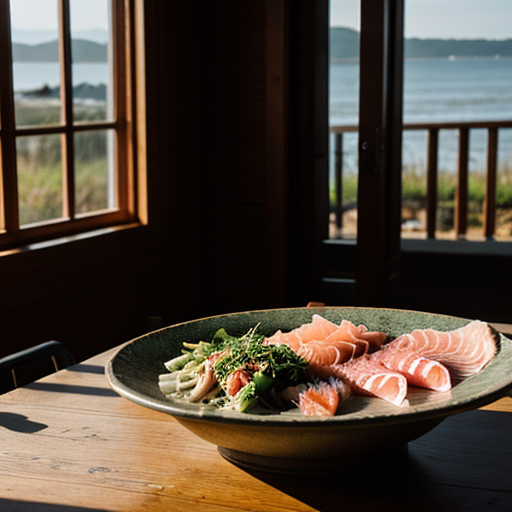
Where can I experience authentic local seafood without getting overcharged?
Visiting traditional seafood centers like Jagalchi Market or Minrak Raw Fish Center allows you to pick fresh seafood directly from first-floor vendors and pay a standardized processing fee at second-floor restaurants. This transparent system prevents price gouging while delivering the freshest catches in the city.
On my fourth evening, I headed to Jagalchi Market with a bit of hesitation, knowing that tourist-heavy fish markets can sometimes feel overwhelming. I walked past the outer stalls and entered the main indoor hall. Stall #42 offered fresh flounder and sea bream for 35,000 KRW. The fishmonger weighed the catch in front of me, handed me a voucher, and directed me to a second-floor dining hall.
Upstairs, the restaurant staff prepared the fish as raw sashimi (Hoe) and added a bubbling spicy fish stew (Maeuntang) for a fixed table service fee of 6,000 KRW per person. The entire meal for two people, including side dishes and fresh perilla leaves, came out to less than 50,000 KRW. Having raw fish paired with local C1 or Good Day soju while watching fishing boats unload at the pier remains my favorite memory of Busan.
What Should You Plan Next for Your Coastal Itinerary?
Once you have secured your Naver Map setup and decided on your neighborhood stay, consider researching day trips nearby. The historic city of Gyeongju is only a 30-minute KTX train ride from Busan Station, making it an ideal cultural extension to a coastal beach vacation. Right now, I keep my T-money card tucked in my wallet, fully reloaded and ready for my next coastal return.