Busan rainy season: 9 things to do compared to clear days
Busan rainy season: 9 things to do compared to clear days
When I planned my third trip to Busan last July, checking the weather app felt like opening a disappointing report card. The entire four-day schedule coincided with the peak of the Korean monsoon season, commonly known as jangma. On clear days, Haeundae Beach and Gwangalli shoreline dominate every itinerary, but steady downpours instantly eliminate outdoor beach walks and coastal train rides. Most travelers search for alternative indoor plans when they realize their seaside views will be replaced by thick gray fog.
Standing inside my hotel room in Seomyeon while heavy rain pounded the windowpane, I had to completely restructure the trip. Instead of abandoning the coastal city, I discovered that Busan offers an entirely different atmosphere when wet. Galleries, subterranean markets, steaming seafood restaurants, and panoramic indoor observatories provide shelter while delivering local culture much more intimately than crowded summer beaches. This guide breaks down the nine best things to do in Busan during the rainy season, comparing them directly with clear-day alternatives based on my actual experience.
What makes visiting Busan during the rainy season different from clear days?
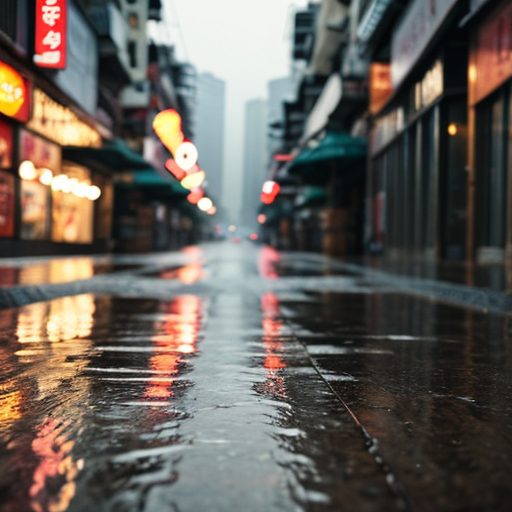
Rain transforms Busan from an energetic resort city into a moody, cinematic harbor town. On clear days, visitors spend roughly 70 percent of their time outdoors, walking sandy stretches, hiking Yonggungsa coastal paths, and taking rooftop photos. During the rainy season, outdoor activity drops to nearly zero, shifting the entire travel pattern indoors. Based on local tourism data from the Busan Metropolitan City portal, visitor distribution at indoor cultural complexes increases by over 140 percent on rainy weekends compared to sunny ones. Humidity climbs to 85 percent, and ocean winds turn sharp, making proper footwear and waterproof outerwear absolute necessities.
My personal mistake on the first rainy afternoon was wearing standard canvas sneakers, which soaked through within ten minutes of walking from the subway station to a cafe in Nampo-dong. Clear-day travel relies on spontaneous wandering, but rainy-day travel in Busan requires a strategic network of subway-connected indoor hubs. The reward is shorter lines at major museums, quieter cafe corners overlooking the misty ocean, and piping hot bowls of local dishes that taste infinitely better when humidity blankets the streets.
1. How does Shinsegae Centum City indoor shopping compare to Haeundae Beach?
Instead of sunbathing on Haeundae Beach, spending a full afternoon at Shinsegae Centum City provides shelter and world-class entertainment under one roof. Recognized by the Guinness World Records as the largest department store in the world, this complex spans multiple buildings containing an ice rink, a traditional Korean spa called Spaland, a massive food hall, and luxury retail galleries. When outdoor temperatures and rain make walking impossible, visitors can easily log 15,000 steps indoors without stepping outside.
During my second day of torrential rain, I spent six hours inside Centum City. I started with a bowl of handmade knife-cut noodles in the basement food court, browsed independent Korean designer boutiques on the third floor, and finished the evening relaxing in the mineral spring pools at Spaland. Compared to a clear day at Haeundae Beach where sand gets everywhere and UV protection is a constant battle, Centum City offers climate-controlled comfort. Admission to Spaland costs around 20,000 KRW for a four-hour pass as of 2024, making it an affordable luxury compared to pricey outdoor resort cabanas.
2. Can the Busan Museum of Art replace a coastal walking trail?
Walking the Dalmaji-gil green railway trail is the ultimate clear-day activity, but the Busan Museum of Art serves as the premier intellectual sanctuary when rain disrupts coastal plans. Located near Centum City station, the museum features spacious contemporary galleries, quiet sculpture courtyards, and immersive digital art installations that require zero outdoor exposure if accessed directly from the underground exit.
When I visited during a morning downpour, the galleries were wonderfully tranquil, allowing me to study large-scale Korean installation art without the loud tour groups typical of weekend sunny days. Entrance fees for permanent exhibitions are remarkably low, often free or under 2,000 KRW, providing hours of cultural engagement. The stark white architecture contrasts sharply with the gray, rainy mountain backdrop visible through massive glass windows, creating a distinctly contemplative atmosphere that outdoor viewpoints simply cannot match.
3. Why is Jagalchi Fish Market more atmospheric in the rain?
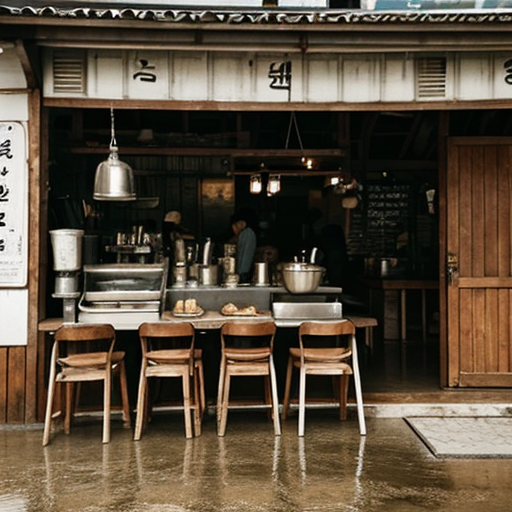
Jagalchi Fish Market is Korea's largest seafood market, and walking its bustling indoor aisles during a heavy rainstorm feels far more authentic than visiting on a sunny afternoon. On clear days, tourists often rush through the market to get back to the nearby BIFF Square or seaside walking paths. When rain pours outside, the market becomes a warm, chaotic cavern of steaming broth pots, shouting vendors, and tanks filled with live octopus and king crab.
I sat down at a small second-floor vendor stall where the owner boiled spicy seafood stew right in front of me while rain battered the corrugated tin roof overhead. Eating steaming spicy fish soup while watching ships sway in the misty harbor outside is an unbeatable sensory experience. A standard meal of fresh grilled fish with rice and seasonal side dishes costs around 15,000 to 25,000 KRW per person, representing exceptional value for freshly caught local seafood.
4. How does Gamcheon Culture Village change under rainy fog?
Gamcheon Culture Village is famous for its brightly painted hillside houses, usually photographed under bright blue summer skies. On rainy days, however, the pastel colors soften beneath thick mountain fog, giving the hillside labyrinth a mysterious, village-in-the-clouds aesthetic. While steep staircases become slippery and require caution, the reduced crowds make narrow alleyway exploration much more peaceful.
My visit here involved ducking into tiny cliffside art workshops and drinking warm citron tea at a two-story rooftop cafe overlooking the misty rooftops. Umbrella rentals and rain ponchos are sold at every convenience store near the entrance for under 5,000 KRW. Compared to sunny days where tourists wait in line for photo zones, rainy days allow uninterrupted quiet moments to appreciate the hillside murals and local cat colonies sheltering under eaves.
5. Is Spa Land Centum City better than outdoor hot springs?
Dongnae Hot Springs are famous outdoor and traditional bath spots in Busan, but Spaland inside Centum City remains the ultimate rainy day sanctuary due to its massive indoor scale. Featuring 22 different spa pools fed by two types of natural hot spring water, plus 13 themed sauna rooms inspired by global bathhouse traditions, it completely cures damp chill.
Spending four hours rotating between the Finnish sauna, the outdoor foot baths with cold rain dropping on my face, and the quiet relaxation lounge was the highlight of my stormy itinerary. The ticketing process is straightforward, and rental clothes and towels are provided at the front desk. Compared to public outdoor baths that close during severe weather warnings, Spaland operates fully regardless of outside conditions, protecting visitors from wind and heavy precipitation.
6. What makes Shinsegae Bookstore and underground malls worth visiting?
Busan features extensive underground shopping networks connected directly to subway stations like Seomyeon and Nampo. When torrential rain makes street crossing hazardous, these subterranean arcades allow travelers to shop, eat, and move between major transit lines entirely dry. Coupled with large multi-story bookstores like Kyobo Book Centre inside Centum City, these spaces provide deep cultural immersion into modern Korean urban life.
I spent an entire afternoon browsing translated Korean literature, design magazines, and stationery supplies at Kyobo, then walked the underground shopping street selling affordable fashion items. Prices in underground malls are typically 20 to 30 percent lower than street-level boutiques, with items ranging from socks to jackets costing between 10,000 and 40,000 KRW. This makes underground shopping a budget-friendly alternative to coastal souvenir shops.

7. Why choose Nampo-dong underground shopping over outdoor street markets?
Gukje Market and BIFF Square are iconic outdoor street markets, but heavy rain turns narrow alleys into crowded obstacle courses of umbrellas. Shifting the shopping focus to the Nampo Underground Shopping Center solves this problem entirely. Stretched beneath the bustling streets of Nampo-dong, this air-conditioned corridor houses hundreds of independent vendors selling vintage clothing, shoes, accessories, and local snacks.
During my rainy afternoon crawl, I avoided the hassle of dodging dripping umbrellas while discovering unique retro clothing shops that tourists usually miss on clear days. Bargaining is acceptable in many independent stalls, and cash or mobile payment options are accepted widely. It offers a genuine glimpse into the daily retail habits of local Busan residents who avoid outdoor markets during heavy monsoons.
8. How does Busan Tower and Yongdusan Park look in the mist?
Busan Tower stands proudly atop Yongdusan Park, offering panoramic views of the entire port city. On a clear day, visitors gaze out at clear horizons stretching toward Japan on exceptionally rare days. On a rainy day, the observation deck puts visitors directly inside the drifting gray clouds, creating a surreal floating sensation above the city lights.
Riding the elevator up to the media art exhibition floor inside the tower before stepping onto the observation deck cost roughly 12,000 KRW for an adult ticket as of 2024. Watching cargo ships navigate the misty harbor through rain-streaked glass panels offered a moody, cinematic perspective that sunny postcards simply cannot capture. The indoor cafe at the base of the tower also serves warm lattes while sheltering visitors from courtyard winds.
9. Can Busan Cinematic Center (BIFF Center) replace outdoor movie screenings?
Home to the prestigious Busan International Film Festival, the Busan Cinema Center features stunning architectural canopy design with the world's longest cantilever roof, certified by the Guinness World Records. This massive LED roof shelters the outdoor plaza, allowing visitors to experience futuristic architecture without getting drenched by falling rain.
Inside the complex, the Cinematheque Busan screens independent, international, and classic films daily with English subtitles available for select art-house features. Ticket prices are remarkably affordable at around 7,000 KRW, making it a stellar cultural escape during a stormy afternoon. Sitting inside the dark, plush theater while rain roared outside provided a cozy cultural break from standard tourist sightseeing.
Comparison Table: Busan Rainy Season vs. Clear Days
| Activity Category | Clear Day Experience | Rainy Season Alternative |
|---|---|---|
| Primary Attraction | Haeundae/Gwangalli beach walking (Free) | Shinsegae Centum City & Spaland (approx. 20,000 KRW) |
| Cultural Site | Gamcheon Culture Village outdoor exploration (Free) | Busan Museum of Art & indoor galleries (Free - 2,000 KRW) |
| Food Experience | Outdoor seafood tents near beach | Jagalchi Fish Market indoor stalls (15,000 - 25,000 KRW) |
| Shopping Venue | BIFF Square street market stalls | Nampo Underground Shopping Center (Budget friendly) |
| Scenic Viewpoint | Dalmaji-gil coastal railway trail | Busan Tower indoor observation deck (approx. 12,000 KRW) |
Practical action guide for surviving the Busan rainy season
Navigating Busan during the monsoon requires a few tactical adjustments to ensure your trip remains enjoyable rather than stressful. First, purchase a T-money transit card at any convenience store and load at least 20,000 KRW for seamless subway transfers, which keep you underground during cloudbursts. Second, download the Naver Map app instead of Google Maps for accurate subway exit numbers and indoor walking directions. Third, always carry a compact folding umbrella and wear quick-drying footwear rather than leather shoes or canvas sneakers. Fourth, maintain flexibility by keeping indoor museums and mega-malls as backup options in your daily itinerary. By embracing the misty harbor atmosphere rather than fighting the weather, a rainy Busan trip turns into an unforgettable, cozy travel memory.