7 Essential Korea Travel Tips
7 Essential Korea Travel Tips Every First-Timer Needs Before Booking a Flight
When I landed at Incheon International Airport on a chilly October afternoon, my plan to navigate Seoul using Google Maps instantly fell apart. I quickly realized that preparing for a trip here requires a completely different digital and physical toolkit than traveling through Europe or North America. I wrote down these 7 Essential Korea Travel Tips Every First-Timer Needs Before Booking a Flight after spending three weeks correcting my own mistakes across Seoul, Busan, and Gyeongju.
Quick Travel Facts:
Primary Navigation App: Naver Map (Google Maps does not support walking routes)
Standard Transit Card: T-Money Card (Physical card required)
Daily Cash Recommendation: 20,000 to 30,000 KRW (For transit and street food)
Power Voltage: 220V (Type F plug)
Why does Google Maps fail in South Korea?
Google Maps does not work for walking or driving directions in South Korea because of national security laws that restrict exporting domestic mapping data to foreign servers. While you can see basic map layouts and restaurant locations, the app cannot generate real-time walking paths or reliable driving routes.
On my first night in the lively neighborhood of Hongdae, I spent forty minutes walking in circles trying to find a barbecue restaurant because Google Maps kept pointing me toward a solid brick wall. The solution was downloading Naver Map and KakaoMap. These domestic applications are highly updated and offer flawless English interfaces. Naver Map shows you exactly which subway car door to stand near for a faster transfer, saving you precious minutes during rush hour.
If you prefer using ride-hailing services, download Kakao T before your flight. Uber works in Seoul by routing requests to local taxi drivers, but Kakao T is the absolute standard across the entire peninsula, including smaller historical towns like Gyeongju. Linking your foreign credit card to Kakao T can sometimes be buggy, so I set my payment method to pay the driver directly at the end of the ride, which accepts international Visa and Mastercard without any system errors.
Which transit card should you buy at Incheon Airport?
You should purchase a physical T-money card at an airport convenience store because international credit cards cannot be tapped directly at transit barriers in Korea. These physical cards cost 3,000 to 4,000 Korean Won and must be loaded with cash before your first ride.
I learned this the hard way when I tried to swipe my contactless Visa card at the Airport Railroad Express entry gate, only to be met with a loud alarm and a confused station agent. To help you choose the right option, here is a breakdown of the transit cards available for travelers based on my actual usage during a three-week itinerary.
| Card Type | Initial Cost | Best For | Recharge Method |
|---|---|---|---|
| T-money | 3,000 KRW | Standard travelers visiting multiple cities | Cash only at subway stations or convenience stores |
| Climate Card | 3,000 KRW (Card) + 62,000 KRW (30 days) | Heavy commuters staying strictly within Seoul | Cash at Seoul subway ticket machines |
| NAMANE Card | 7,000 KRW | Customizing with personal photos and shopping usage | Credit card via mobile app or cash at kiosks |
While the Seoul subway system is incredibly clean and efficient, the cash-only recharge rule is a major hurdle for unprepared tourists. Every single time your card runs out of funds, you must find a physical ticket machine inside a station and feed paper bills into it. Convenience stores like GS25, CU, and 7-Eleven can also reload your card, but they also accept only physical cash for this specific service.

How much cash should you carry daily?
You should carry approximately 20,000 to 30,000 Korean Won in physical cash daily to cover transit recharges and street food stalls. While major restaurants, department stores, and cafes are almost entirely cashless, small traditional markets require physical paper bills.
When I visited the famous Gwangjang Market in Seoul, I stood in line for twenty minutes to try the famous mung bean pancakes. When my turn came, the vendor pointed to a small cardboard sign indicating they only accepted cash or domestic bank transfers. Having zero cash on me that day meant I had to hunt for a global ATM while hungry. Many older vendors in traditional markets do not have the terminal systems to process international merchant accounts.
To avoid high international transaction fees, look for ATMs labeled with a circular Global banner. Standard domestic ATMs in Korea often reject foreign debit cards entirely. I found that Woori Bank and Hana Bank ATMs are the most reliable for foreign cards, though they charge a flat processing fee of around 3,500 Won per withdrawal. It is far more economical to make one large withdrawal at Incheon Airport than multiple small withdrawals throughout your journey.
My Immediate Action Checklist for Incheon Arrival
- Pick up your pre-booked physical eSIM or Wi-Fi egg at the Terminal 1 arrival hall counter.
- Purchase a T-money card from the nearest convenience store inside the airport terminal.
- Withdraw at least 50,000 KRW from a Global ATM and load 20,000 KRW onto your transit card immediately.
- Download Naver Map and set the language to English before boarding the Airport Railroad Express.
Where is the best neighborhood to stay in Seoul?
The best neighborhood to stay in Seoul is Myeongdong if your priority is shopping and central transit, or Hongdae if you prefer budget-friendly street food, independent fashion, and active nightlife. For a quiet, traditional experience, Insadong is the ideal choice due to its proximity to the historic palaces.
During my stay, I split my time between Hongdae and Insadong. Hongdae was fantastic for the first week because I could step out of my guesthouse at midnight and find dozen of restaurants open. However, the constant street music and weekend crowds got exhausting. Moving to a traditional Hanok guesthouse in Insadong for my second week felt like entering a different world. The quiet stone alleys and traditional tea houses offered a peaceful escape, though transit connections to the southern areas of Seoul took slightly longer.
Keep in mind that Seoul is massive, stretching across both sides of the Han River. If your itinerary includes visiting Gangnam or Lotte World, staying north of the river means you will spend over forty-five minutes on the subway each way. Check your daily sightseeing plans on Naver Map before reserving your hotel to avoid spending your precious vacation time underground.
Why must you remove your shoes indoors in Korea?
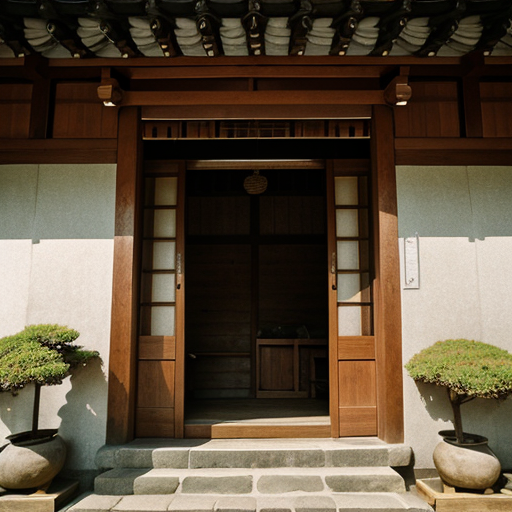
You must remove your shoes when entering homes, guesthouses, and traditional restaurants to maintain floor hygiene and show respect for the local living culture. This practice stems from the traditional floor-heating system called Ondol, where people sit, eat, and sleep directly on the floor.
I experienced a moment of panic on my third day when I entered a traditional wooden guesthouse in Gyeongju and forgot to step out of my sneakers at the elevated wooden entryway. The host politely but quickly stopped me. I noticed a shelf of indoor slippers waiting by the door. Some traditional restaurants even provide separate plastic slippers specifically for visits to the restroom, and you must switch back to your indoor slippers when returning to your dining table.
Make sure to wear clean, intact socks throughout your trip to avoid embarrassing situations. Slip-on shoes are highly recommended because you will find yourself taking your shoes off and putting them back on multiple times a day as you visit temples, historical sites, and traditional dining establishments.
What is the easiest way to stay connected online?
The easiest way to stay connected is booking an eSIM online before landing at Incheon Airport, which provides immediate high-speed data access without needing to swap physical cards. If your phone does not support eSIM technology, renting a portable Wi-Fi egg at the airport terminal is a reliable alternative.
I opted for a local eSIM with unlimited data for twenty-one days, which cost me around 50,000 Won. Having an active internet connection the second my plane touched down allowed me to research my airport bus route while walking through immigration. Public Wi-Fi is widely available in Seoul subways and cafes, but these public networks often require a Korean phone number for SMS verification, making them useless for short-term foreign visitors.
If you plan to order food delivery via local apps or make restaurant reservations, consider getting a SIM card package that includes a virtual local phone number. Most popular Korean dining spots use digital tablets at the entrance for waitlists, and these tablets strictly require a domestic phone number starting with 010 to send you queue notifications.
Prior planning makes all the difference when visiting this technologically advanced yet culturally unique country. Focus on setting up your digital maps, securing local currency, and understanding transit cards before boarding your flight to ensure a smooth, stress-free arrival.
Consultation with official travel advisories and local tourism offices is recommended for the latest visa regulations and public transit fare updates.