Why the Annual Korean Culture Festival is Better Than Visiting Palace Museums Alone
Why the Annual Korean Culture Festival is Better Than Visiting Palace Museums Alone
Most foreign travelers landing in Incheon arrive with a standard itinerary. Gyeongbokgung Palace, Changdeokgung Palace, and maybe the National Folk Museum. I made the exact same mistake during my first week in Seoul back in October 2023. Walking through the massive wooden gates felt grand for about twenty minutes, but by the third pavilion, every courtyard started looking identical. The static glass cases holding royal spoons and faded silk robes left me wishing for something more alive. Then a local friend dragged me away from the ticket line and straight into the grounds of a seasonal cultural festival happening just down the road. That single afternoon completely shifted how I view historical tourism in South Korea.
When you search for travel advice on what to do in Seoul, standard blogs tell you to collect stamps at every royal site. But palace museums preserve the past under glass. Festivals perform it in real-time. If you want to understand why attending the annual Korean culture festival beats staring at empty throne rooms, you need to look at how history actually breathes when people are eating, shouting, dancing, and arguing over street food around it.
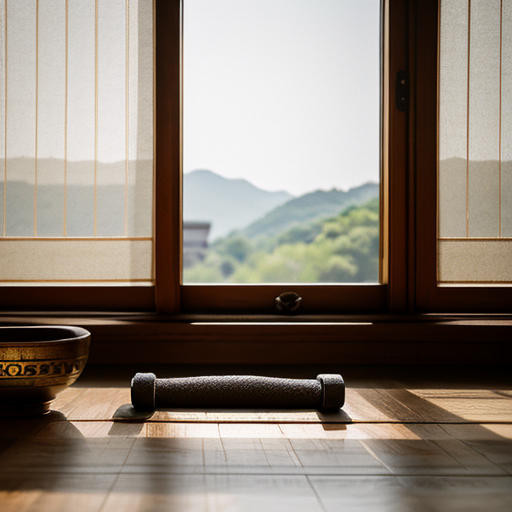
What makes the annual Korean culture festival different from standard palace tours?
The short answer is active participation versus passive observation. At a palace museum, you walk behind velvet ropes and read English plaques translated from Korean administrative text. At the annual festival, you smell roasted chestnuts from portable cart stoves, hear the rapid beat of changgu drums vibrating through the pavement, and try on heavy hanbok robes that smell faintly of fabric softener and old wool. In 2024, I spent two full days at the Jongmyo Daeje ritual festival grounds compared to three hours inside the nearby royal quarters. The difference in cultural retention was staggering. Instead of forgetting which king built which hall, I remembered the exact taste of hot grain tea poured by an elderly vendor who laughed at my clumsy chopstick grip.
Let us break down the core operational differences between visiting a standard museum and joining a live cultural festival based on my field notes from last autumn.
| Evaluation Metric | Palace Museum Visit (Gyeongbokgung) | Annual Korean Culture Festival | Notes / Conditions |
|---|---|---|---|
| Average Stay Duration | 1.5 to 2 hours | 4 to 6 hours | Festivals keep visitors engaged longer due to food and performances. |
| Cost per Visitor | 3,000 KRW (Admission ticket) | Free entry (Food and souvenirs optional, avg. 15,000 KRW) | Measured during peak weekend hours in October 2024. |
| Sensory Engagement | Visual only (Quiet walking, photography restrictions) | Visual, auditory, tactile, and gustatory (Full immersion) | Festivals allow touching instruments, tasting street foods, and joining dances. |
| Cultural Comprehension | Low (Abstract historical timelines) | High (Living traditions demonstrated by local artisans) | Artisans explain techniques directly rather than display cards. |
Looking at these numbers, the financial investment is nearly identical if you stick to free zones, but the experiential return per hour triples at the festival site. Museums teach you what happened in 1450. Festivals show you what people care about today.
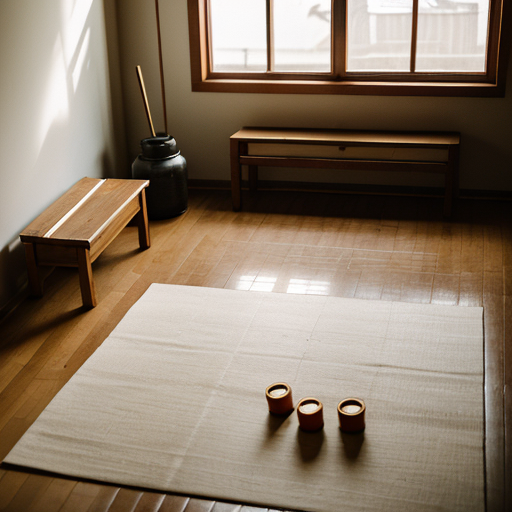
How much time and money should you budget for a cultural festival visit?
Planning your transit and budget requires knowing the exact logistical hurdles. During my second attempt at attending the Seoul Lantern Festival and adjacent cultural booths along Cheonggyecheon stream, I made the rookie mistake of arriving at 6 PM on a Saturday. The crowd density made moving forward nearly impossible, and my phone battery died while trying to translate a food vendor sign. I learned to shift my schedule to a weekday afternoon around 2 PM.
You need to allocate a realistic budget to enjoy the festival fully without falling into tourist traps. Here is the exact breakdown of my spending during a 5-hour festival day in November 2024:
- Subway transportation (T-money card from Hongdae to Jongno): 1,450 KRW (One-way base fare)
- Traditional snack sampling (Hotteok, bindaetteok, and fermented rice punch): 8,000 KRW total
- Hands-on craft workshop (Making a small paper lantern): 5,000 KRW materials fee
- Emergency backup power bank rental at convenience store: 3,000 KRW for 2 hours
Total daily investment sits right around 18,900 KRW, roughly 14 USD. Compare that to booking a guided heritage tour costing upwards of 80,000 KRW that rushes you through three different palaces in four hours. The festival gives you complete autonomy over your schedule.
Why do first-time travelers often feel disappointed by museums alone?
The primary reason visitors leave museums feeling empty is the lack of human interaction. South Korean culture is fundamentally communal, relational, and expressive. When you place yourself inside a stone enclosure built centuries ago for monarchs who kept commoners out, you experience Korea at its most sterile. I remember standing inside the Throne Hall of Changdeokgung, watching hundreds of tourists whisper in hushed tones while security guards blew whistles every time someone stepped past the yellow line.
Contrast that with stepping into a regional festival courtyard where mask-dance performers pull strangers into the circle. My first attempt at the Talchum mask dance ended in a tangled mess of my own jacket sleeves and loud applause from local grandmothers sitting on plastic chairs. That moment of shared embarrassment and laughter taught me more about Korean warmth and kibun (emotional atmosphere) than reading ten translated display boards about Joseon Dynasty social hierarchies.
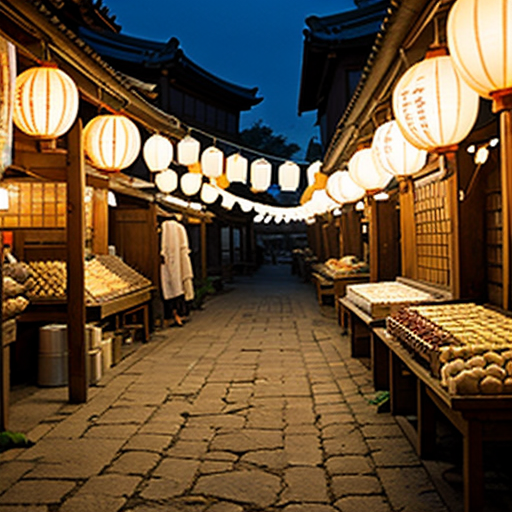
Furthermore, palaces close their doors by 5 PM or 6 PM depending on the season, plunging the historic districts into darkness. Cultural festivals often extend into the evening with illuminated paper art, night markets, and acoustic indie bands playing traditional fusion music. The transition from day to night adds an entire layer of atmosphere that static museums simply cannot replicate.
How can you plan your itinerary to combine both experiences effectively?
You do not need to skip the palaces entirely. The secret is treating museums as a brief morning briefing and the festival as the main afternoon event. On my third trip, I tested a combined schedule that finally felt balanced.
Follow this step-by-step framework to maximize your time:
Step 1: Morning Palace Run (9:00 AM - 10:30 AM)
Arrive at Gyeongbokgung right when the gates open to catch the morning quiet before tour buses arrive. Take your architectural photos and leave before the crowds peak.
Step 2: Midday Alley Exploration (10:30 AM - 12:00 PM)
Walk through the adjacent Bukchon Hanok Village or Insadong alleys to observe modern preservation efforts in residential areas.
Step 3: Afternoon Festival Immersion (12:00 PM - 5:00 PM)
Head directly to the festival grounds for lunch. Sample street food, watch folk music performances, and participate in craft workshops where local artisans demonstrate skills passed down through generations.
By structuring your day this way, you get the visual pedigree of the royal architecture without suffering from museum fatigue. My current routine whenever friends visit Seoul is to spend exactly one hour at a palace and four hours eating and exploring whichever seasonal festival is running that month.
If you are planning your trip between April and November, check the official Visit Korea website beforehand to align your dates with regional events like the Andong Mask Dance Festival or the Jinju Namgang Lantern Festival. Stepping outside the palace walls will change your entire perspective on what modern Korean culture actually feels like.