What are the 7 must-try dishes on every authentic Seoul food list ranked by locals?
What are the 7 must-try dishes on every authentic Seoul food list ranked by locals?
Planning your first trip to Seoul can feel overwhelming when every travel blog lists a hundred different restaurants. When I lived in Mapo-gu for two years, my local neighbors did not take me to trendy fusion cafes for dinner. They led me down narrow alleys for steaming bowls of pork bone soup and charcoal-grilled pork belly that sizzled until midnight. If you want to experience real Seoul cuisine beyond the tourist traps, you need a realistic food roadmap. This guide ranks the seven essential dishes based on local frequency, flavor depth, and cultural significance, complete with practical dining tips.

Why do locals rank Samgyeopsal as the ultimate Seoul dining experience?
Samgyeopsal, or thick strips of unseasoned pork belly grilled at your table, ranks number one because it is the ultimate social ritual in Korean food culture. You are not just eating dinner; you are participating in a communal cooking experience where every table grills their own meat over charcoal or gas burners.
When I first sat at a round stainless steel table in Hongdae with my colleagues, I worried about burning the meat. The owner rushed over, laughed at my hesitation, and flipped the pork strips with giant metal tongs before cutting them into bite-sized pieces with kitchen scissors. That is the authentic charm of Seoul dining. You wrap the crispy, smoky pork in fresh perilla leaves, add a dab of fermented soybean paste, and pop a piece of raw garlic inside for a sharp punch of flavor.
Cost ranges from 14,000 to 18,000 won per 150-gram serving at standard neighborhood grills, and the meal almost always concludes with fried rice made directly on the leftover grease of the hot plate.
How does Gamja-tang provide comfort during cold Seoul nights?
Gamja-tang, a spicy pork spine stew loaded with potatoes and perilla seeds, is the dish locals crave when the temperature drops below freezing or after a long night of drinking soju. The slow-simmered broth has an earthy, deeply savory profile derived from hours of boiling marrow bones with ground perilla seed powder.
Eating this requires dedication because you pull tender meat directly off the vertebrae using your chopsticks and your fingers. A standard medium pot costs around 30,000 to 35,000 won and feeds two to three people easily. Do not skip the final step of ordering fried rice mixed into the leftover broth, which absorbs all the rich spice and fat.
What makes Dak-galbi worth navigating the busy streets of Hongdae?
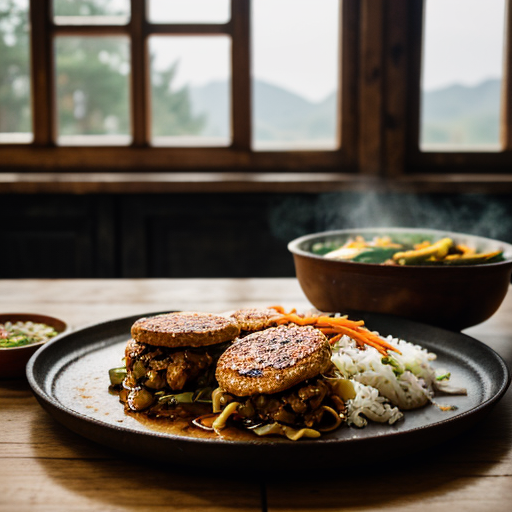
Dak-galbi is a fiery stir-fry of chicken chunks, cabbage, sweet potatoes, and rice cakes tossed in a thick gochujang sauce right on a massive cast-iron griddle built into your table. The contrast between the spicy, sweet sauce and the chewy texture of tteokbokki rice cakes creates a distinct addictive quality.
During my third week in Seoul, I ordered the cheese-topped version at a crowded spot near Sinchon station. The server formed a ring of melted mozzarella in the center of the pan, allowing us to dip the spicy chicken straight into the cheese to cut the heat. A single portion runs about 13,000 to 15,000 won, and ordering noodles or rice to scrape up the remaining sauce at the end is mandatory.
Where can you find the best Naengmyeon in the historic center?
Mul-naengmyeon, cold buckwheat noodles served in an ice-cold beef broth topped with pickled radishes, cucumber, and a slice of pear, is a culinary tradition designed to beat the humid summer heat. The noodles are exceptionally chewy because they are made from buckwheat and sweet potato starch, requiring you to cut them with the provided scissors before eating.
When I first tasted the broth at a traditional restaurant in Myeongdong, I was surprised by its clean, subtle flavor, which relies on vinegar and mustard added at the table to awaken the broth. Expect to pay 10,000 to 14,000 won for a bowl of authentic Pyongyang-style cold noodles.
Why is Sundae Guk essential for understanding neighborhood food culture?
Sundae Guk is a milky pork bone soup filled with Korean blood sausage, sliced pork slices, and offal. While the description might intimidate first-time visitors, the broth is soothing, rich, and customizable with spoonfuls of salted shrimp paste and spicy chili oil.
Neighborhood spots open as early as 6:00 AM to serve construction workers and office employees before their shifts. A bowl costs roughly 9,000 to 11,000 won, making it one of the most filling and affordable breakfast options in the city.
How does Mapo Mandu capture the essence of street-style snacking?
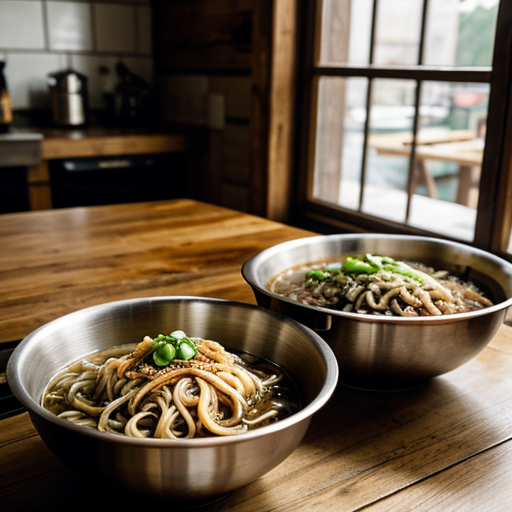
Pan-fried and steamed dumplings, particularly spicy galbi mandu, offer a quick flavor explosion when you are walking between subway stations. The thin dumpling wrapper yields to a juicy filling of minced pork, garlic, and scallions.
During a rainy afternoon near Mangwon market, I ducked into a tiny shop with red plastic stools and ordered a plate of steamed pork mandu for 6,000 won. The minced meat filling was seasoned with sesame oil and soy sauce, balanced by a vinegar dipping sauce.
What defines the appeal of Mapo Galbi-jjim?
Galbi-jjim, braised beef short ribs cooked with chestnuts, dates, and soy sauce, is a celebratory dish that balances sweet and savory notes. The meat is braised until it falls off the bone with minimal effort.
Eating this in a traditional hanok restaurant in Bukchon cost around 20,000 to 25,000 won per person, but the tenderness of the slow-cooked beef paired with white rice justifies the price. Medical disclaimer: If you have specific dietary restrictions regarding sodium or meat processing, consult local restaurant staff before ordering.
Quick Action Checklist for Seoul Food Explorers:
1. Download Naver Maps before arrival, as Google Maps lacks accurate walking directions in South Korea.
2. Carry a T-money transit card loaded with at least 30,000 won for easy subway and bus travel.
3. Order sharing-style dishes like Samgyeopsal and Dak-galbi with at least one companion for the best value.