7 Authentic Korean Street Food Recipes You Can Easily Make at Home Tonight
7 Authentic Korean Street Food Recipes You Can Easily Make at Home Tonight
My first attempt at making Korean street food in my apartment kitchen ended with burnt brown sugar stuck to my cast iron skillet and chewy rice cakes that felt like rubber eraser bits. That was two years ago after returning from a month-long trip near Gwangjang Market in Seoul. Today, after dozens of test batches and minor kitchen blunders, I regularly whip up night-market staples in under 20 minutes using basic supermarket finds.
Replicating these famous snacks does not require professional equipment or rare ingredients. You can easily make 7 authentic Korean street food recipes at home tonight by mastering five staple sauce combinations and understanding heat control. From sweet pan-fried hotteok to fiery tteokbokki, these dishes deliver the exact flavor profile you find in Seoul pojangmacha tent stalls.
What basic ingredients do you need for authentic Korean street food at home?
You need gochujang, gochugaru, soy sauce, sesame oil, and garlic as your primary flavor base for almost all traditional Korean street snacks. Stocking these five items allows you to replicate nearly 80 percent of night market menus instantly.
When I started cooking Korean dishes at home, I wasted money buying pre-made bottled sauces that tasted flat and overly preserved. Building your flavor base from raw pantry staples yields vastly superior results. Gochujang provides deep fermented sweetness and heat, while gochugaru offers smoky color without thickening your sauces excessively.
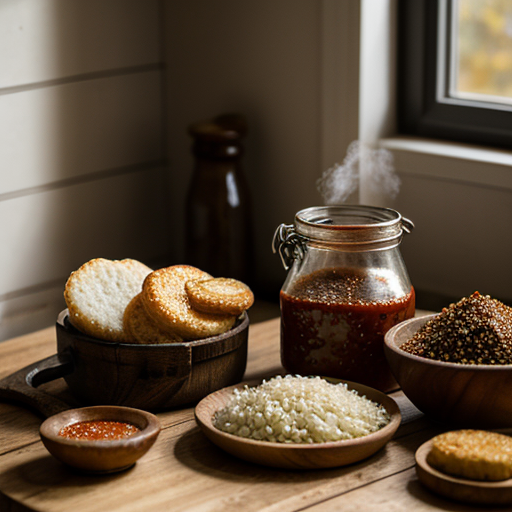
I keep my pantry supplied with fresh rice cakes, dried anchovies for quick broth bases, and sweet rice flour. Purchasing fresh cylindrical rice cakes from a local Asian grocery store makes a massive difference compared to frozen packages that split during cooking.
How do you make chewy Tteokbokki without making it too mushy?
Soak rice cakes in lukewarm water for 10 minutes before simmering them in anchovy broth for exactly 8 minutes over medium heat. This method softens the starch evenly while keeping the center firm and chewy.
My third try at making tteokbokki was a total disaster because I boiled cold rice cakes directly in boiling sauce for 20 minutes. The exterior dissolved into sludge while the interior remained rock hard. Soaking them first allows the starch to hydrate properly.
Pro Tip from My Kitchen: Never skip the kelp and dried anchovy broth. Plain water leaves the spicy sauce tasting hollow and flat. A quick 10-minute boil of dried anchovies creates the rich savory backbone essential for authentic street food.
Ingredients for Tteokbokki
- 350g cylindrical rice cakes (Tteok)
- 2 cups anchovy kelp stock
- 2 tablespoons gochujang (red pepper paste)
- 1 tablespoon gochugaru (red pepper flakes)
- 1 tablespoon soy sauce
- 1 tablespoon sugar
- 2 sheet sliced fish cakes, cut into triangles
- 2 chopped green onions
Combine the stock, gochujang, gochugaru, soy sauce, and sugar in a shallow pan. Bring to a boil over medium heat. Add the pre-soaked rice cakes and fish cakes. Stir continuously for 8 minutes until the liquid reduces into a glossy red glaze that coats the back of your spoon. Toss in green onions during the final minute.
What is the secret to getting crispy Kimchi Jeon every single time?
Ice-cold water mixed with cornstarch and sour, well-aged kimchi creates an ultra-crispy pancake batter when fried in generous oil. Temperature contrast between the cold batter and hot pan is critical for crispiness.
For months my kimchi pancakes turned out soft and soggy like wet cardboard. I discovered that fresh kimchi lacks the lactic acid punch needed to slice through the flour, and warm tap water ruins batter texture immediately.
Use kimchi that has sat in your refrigerator for at least three weeks. The extra acidity balances the rich cooking oil perfectly. Chop 1 cup of aged kimchi into small bits. Mix 1/2 cup of all-purpose flour, 2 tablespoons of cornstarch, 1/2 cup of ice water, and 2 tablespoons of aged kimchi juice in a bowl. Do not overmix the batter; small lumps are completely fine.
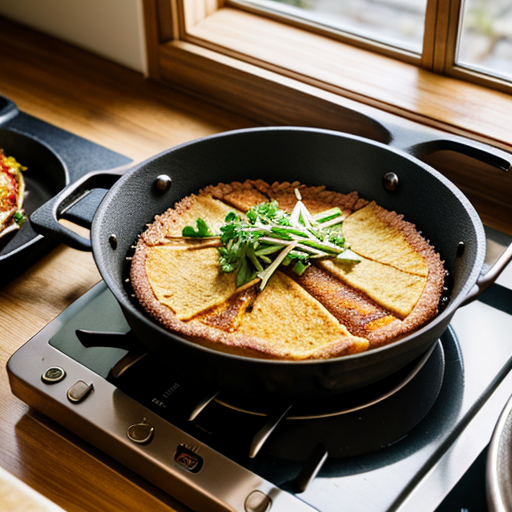
Heat 3 tablespoons of neutral cooking oil in a skillet over medium-high heat until it shimmers. Pour the batter thinly and spread it toward the edges. Fry for 3 to 4 minutes per side until golden brown. I learned to resist flipping early, letting the edges crisp up undisturbed creates that distinct street-stall crunch.
How can you prepare authentic Hotteok without waiting hours for dough to rise?
Using quick-rise instant active yeast with warm milk allows your sweet pancake dough to double in size within 25 minutes. This cuts traditional preparation time in half while maintaining a fluffy interior.
Hotteok is my absolute favorite winter street snack from Busan. The combination of molten brown sugar, toasted cinnamon, and crushed walnuts inside a chewy fried dough pocket is unbeatable. However, yeast doughs often intimidate home cooks who assume it takes half a day.
In my kitchen, I mix 1 cup of sweet rice flour with 1 cup of all-purpose flour, 1 tablespoon of sugar, 1 teaspoon of instant yeast, 1/2 teaspoon of salt, and 3/4 cup of warm milk (105 degrees Fahrenheit). Knead for 5 minutes, cover with a damp cloth, and let it rest near a warm stove for 25 minutes.
Mix 1/2 cup of dark brown sugar, 1 teaspoon of cinnamon, and 3 tablespoons of finely crushed walnuts for the filling. Divide the risen dough into six balls. Flatten a ball in your greased palm, insert a large spoonful of sugar filling, seal the edges tightly, and place seal-side down in a hot pan with 2 tablespoons of oil. Press flat with a spatula and fry for 2 minutes each side until golden.
Why does street-style Gilgeori Toast taste sweeter than regular breakfast sandwiches?
Korean street toast features a light dusting of granulated white sugar directly over buttery scrambled cabbage and egg patties topped with melted American cheese. That unexpected sweet-savory contrast defines this iconic morning snack.
When I first ordered Gilgeori Toast outside a busy subway station in Seoul, watching the vendor sprinkle sugar over eggs surprised me. Replicating it at home proved remarkably easy and took under 10 minutes total.
Quick 4-Step Toast Assembly
Step 1: Shred 1 cup of green cabbage and 1/4 cup of carrots thinly. Mix with 2 beaten eggs and a pinch of salt.
Step 2: Melt 1 tablespoon of butter in a pan. Fry two slices of white bread until golden brown on both sides. Remove and set aside.
Step 3: Melt another tablespoon of butter. Pour egg-vegetable mixture, shaping it into a square roughly the size of your bread. Cook 2 minutes per side.
Step 4: Place cooked egg patty on buttered toast. Sprinkle 1/2 teaspoon of sugar over the hot egg. Add 1 slice of American cheese, ketchup, and top slice of bread.
How do you make Mayak Gimbap bite-sized and addictive at home?
Mini Mayak Gimbap relies on toasted sesame oil, seasoned seaweed sheets, pickled radish, and a sharp mustard dipping sauce made from soy sauce, vinegar, and yellow mustard powder. Their small size makes them quick to roll without special mats.
Full-sized gimbap rolls can take an hour to prep and slice cleanly without breaking. Mini gimbap cuts prep time down to 15 minutes. Cut full gim (seaweed) sheets into four equal squares. Spread a thin layer of cooked short-grain rice seasoned with salt and sesame oil over each square, leaving 1/2 inch clear at the top.
Lay thin strips of yellow pickled radish (danmuji), blanched spinach, and sliced carrots across the center. Roll tightly. Brush the outside with sesame oil and sprinkle with toasted sesame seeds. Dip into a mixture of 1 tablespoon soy sauce, 1 tablespoon water, 1 teaspoon sugar, 1 teaspoon rice vinegar, and 1/2 teaspoon yellow mustard.
Can you make quick Dakgangjeong without deep frying in liters of oil?
Shallow pan-frying potato starch-coated chicken thighs in 1/2 cup of oil yields an equally crunchy texture for sweet crispy Korean chicken bites. This avoids the mess and hazard of deep frying at home.
Deep frying at home used to deter me from making chicken dishes. Oil splatters everywhere and clean-up takes forever. Shallow frying in a non-stick skillet solves this completely while preserving authentic flavor.
Cut 400g of boneless chicken thighs into bite-sized pieces. Season with salt, pepper, and 1 teaspoon of minced ginger. Coat every piece thoroughly in potato starch. Heat 1/2 cup of neutral oil in a wide skillet over medium-high heat. Fry chicken pieces in a single layer for 5 minutes, flipping once until golden and crispy.
In a separate small pan, simmer 2 tablespoons of soy sauce, 2 tablespoons of rice syrup (or honey), 1 tablespoon of gochujang, 1 tablespoon of brown sugar, and 1 teaspoon of minced garlic for 2 minutes until bubbly. Toss fried chicken directly into the warm glaze until evenly coated.
What are the cooking times and ingredient costs for these 7 street food recipes?
Preparing authentic Korean street snacks at home is significantly cheaper than dining out, with average ingredient costs staying under 15 USD total for multiple servings. The table below outlines key practical metrics based on home preparation tests.
| Street Food Recipe | Prep & Cooking Time | Estimated Cost (USD) | Primary Flavor Profile | Difficulty Score (1-5) |
|---|---|---|---|---|
| Tteokbokki | 18 mins | $4.50 | Spicy, Sweet, Umami | 2 / 5 |
| Kimchi Jeon | 12 mins | $2.00 | Tangy, Savory, Crispy | 1 / 5 |
| Hotteok | 35 mins | $3.00 | Sweet, Nutty, Cinnamon | 3 / 5 |
| Gilgeori Toast | 10 mins | $2.50 | Sweet-Savory, Buttery | 1 / 5 |
| Mayak Gimbap | 15 mins | $3.50 | Nutty, Pungent Mustard | 2 / 5 |
| Dakgangjeong | 22 mins | $6.00 | Garlicky, Sweet Chili | 3 / 5 |
| Sotteok Sotteok | 10 mins | $3.00 | Smoky, Tangy-Spicy | 1 / 5 |
How do you make Sotteok Sotteok skewers on a busy weeknight?
Alternating mini cocktail sausages and rice cakes on wooden skewers before pan-frying takes under 10 minutes and requires minimal cookware. Glazing them with ketchup, gochujang, and honey provides authentic highway rest-stop flavor.
Sotteok Sotteok became immensely popular across Korean rest stops along major highways. My kids love helping assemble them. Thread one rice cake followed by one sausage onto a wooden skewer, repeating until four of each fill the stick.
Pan-fry the skewers in 1 tablespoon of vegetable oil for 3 minutes per side until the sausage skin blisters and rice cakes turn lightly golden. Mix 1 tablespoon ketchup, 1/2 tablespoon gochujang, 1 tablespoon honey, and 1/2 teaspoon soy sauce. Brush the sauce generously over both sides while still hot in the pan.
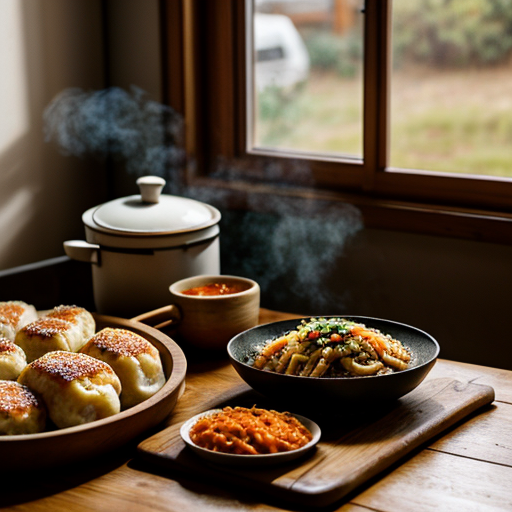
Preparing these dishes over the last two years transformed how I approach late-night meals. Mastering 7 authentic Korean street food recipes you can easily make at home tonight brings the vibrant energy of Seoul directly to your dining table without requiring complex technique. Start with Gilgeori Toast or Kimchi Jeon tonight to build your confidence before tackling yeast doughs or sweet glazes.