5 Traditional Korean Recipes You Can Easily Cook in Your Small Apartment Kitchen
5 Traditional Korean Recipes You Can Easily Cook in Your Small Apartment Kitchen
Living in a 25-square-meter studio apartment with a single induction burner and a tiny mini-fridge changed how I approach cooking. When I first tried to make traditional Korean dishes like kimchi stew or braised tofu, my tiny counter was overflowing with bowls, cutting boards, and spice jars. Smoke filled the small room because the ventilation fan was weak, and I lacked proper equipment like heavy traditional earthenware pots.
People searching for this topic usually want to know if authentic Korean cuisine requires specialized gear, multiple burners, or hours of prep time in a massive kitchen. The short answer is no. You can create deep, authentic flavors using just one frying pan, a small pot, and ingredients easily found at any local grocery store or Asian market.
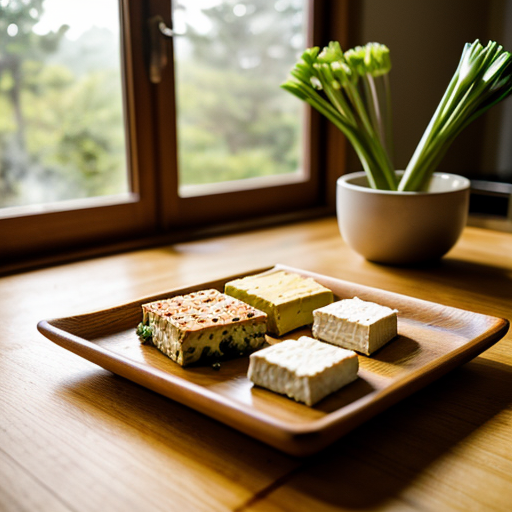
Can you really cook traditional Korean food in a tiny kitchen?
Cooking traditional Korean food in a compact apartment is entirely possible if you master one-pan cooking methods and smart prep routines. My first attempt at making Bulgogi resulted in a sticky, burnt mess because I tried to use a thick marinade without proper heat control on a weak electric burner. After adjusting my approach, I realized that simplifying the steps without losing the core flavor profile is the secret to small-space Korean cooking.
Korean cuisine relies heavily on a foundational flavor base made from garlic, sesame oil, soy sauce, and gochujang. By keeping these four items in your pantry, you eliminate the need for dozens of specialized sauces. In my 3rd month of testing recipes in this studio, I reduced my prep time to under 15 minutes per dish by using pre-chopped garlic and a single multi-purpose skillet.
What are the best one-pot Korean recipes for beginners?
The 5 recipes outlined below require minimal cleanup, take less than 30 minutes from start to finish, and use basic kitchen tools that fit inside a single cabinet.
1. Tuna Kimchi Jjigae (Spicy Kimchi Stew)
This is the ultimate comfort dish when you have leftover aged kimchi. Instead of complex pork bone broths, canned tuna provides savory depth and natural oils that mimic slow-cooked meat.
Slice 1 cup of well-fermented kimchi directly into a small pot. Add 1 tablespoon of gochujang (Korean chili paste), 1 teaspoon of minced garlic, and 1 can of drained tuna. Pour in 1.5 cups of water or vegetable broth. Bring to a boil over medium-high heat, then reduce to a simmer for 15 minutes. Serve hot with a bowl of instant or freshly cooked white rice.
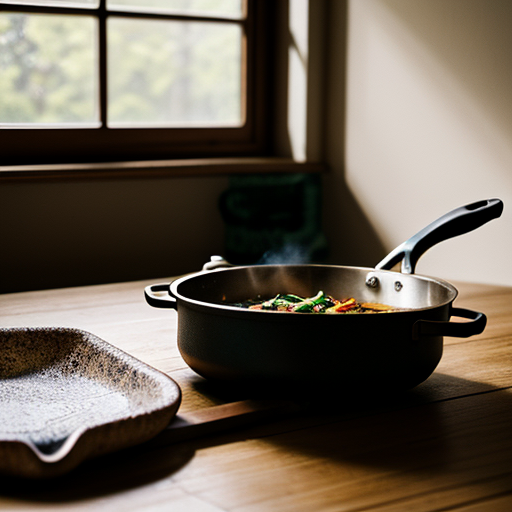
2. Dubu Jorim (Braised Tofu)
A humble side dish that easily doubles as a main protein course. It requires only a frying pan and a simple soy-based sauce mixture.
Cut one standard block of firm tofu into half-inch thick slices. Pat them completely dry with a paper towel to prevent oil splatters in your small cooking area. Pan-fry the tofu slices in 1 tablespoon of cooking oil over medium heat for 3 minutes per side until golden brown. Pour a sauce made from 2 tablespoons soy sauce, 1 teaspoon sugar, 1 teaspoon minced garlic, 1 tablespoon water, and a dash of sesame oil directly over the tofu. Let it simmer until the liquid reduces completely, about 5 minutes.
3. Gyeran Bap (Soy Sauce Butter Egg Rice)
This is the quintessential midnight snack for busy students and apartment dwellers across Seoul. It takes under 5 minutes and uses only one bowl and a small pan.
Fry one egg in a small pan until the edges are crispy but the yolk remains runny. Place the fried egg on top of a hot bowl of freshly cooked rice. Add half a tablespoon of unsalted butter underneath the egg so it melts into the rice grains. Drizzle 1 teaspoon of soy sauce and a few drops of sesame oil over the top. Mix everything together thoroughly before eating.
4. Mayak Gyeran (Addictive Marinated Eggs)
Instead of cooking every time you want a flavorful protein, prepare a batch of these marinated soft-boiled eggs to store in your mini-fridge for up to 5 days.
Boil 4 eggs for exactly 6 minutes and 30 seconds, then immediately transfer them to an ice water bath to stop cooking and make peeling easier. In a small container, mix half a cup of soy sauce, half a cup of water, 2 tablespoons of sugar, minced garlic, sliced green onions, and chopped chili peppers. Peel the cooled eggs, submerge them in the marinade, and store them in the refrigerator for at least 4 hours before consuming.
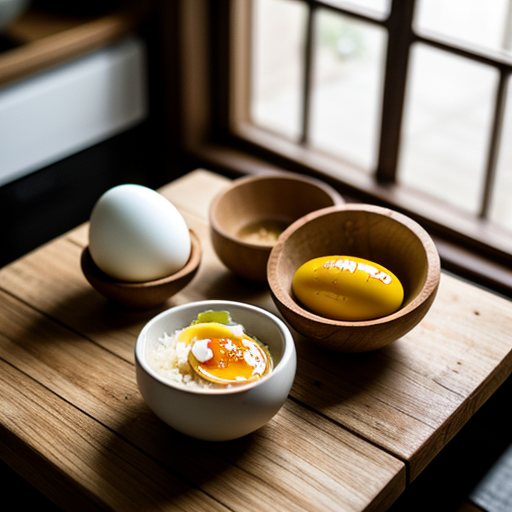
5. One-Pan Stir-Fried Pork Belly (Daeji Bulgogi)
Making grilled pork belly usually creates heavy grease and smoke in a small apartment. This marinated stir-fry version locks in moisture and keeps cleanup contained within a single skillet.
Slice 200 grams of thin pork belly strips into bite-sized pieces. In a bowl, mix 1 tablespoon gochujang, 1 tablespoon soy sauce, 1 tablespoon honey, and minced ginger. Coat the pork in the sauce and let it sit for 10 minutes. Heat your frying pan over medium-high heat, add the marinated pork, and toss continuously until the meat is fully cooked and slightly caramelized on the edges, about 8 minutes.
How do these recipes compare to restaurant versions in terms of time and cost?
Cooking these meals at home in a compact space saves both time and money compared to ordering delivery or dining out in busy urban neighborhoods.
| Recipe Name | Prep & Cooking Time | Estimated Cost per Serving | Equipment Needed |
|---|---|---|---|
| Tuna Kimchi Jjigae | 20 minutes | $2.50 | Small pot, knife, cutting board |
| Dubu Jorim | 15 minutes | $1.80 | Frying pan, spatula |
| Gyeran Bap | 5 minutes | $1.00 | Small pan, bowl |
| Mayak Gyeran | 15 minutes (plus resting) | $3.00 (4 eggs) | Small pot, storage container |
| One-Pan Stir-Fried Pork | 20 minutes | $4.50 | Frying pan, mixing bowl |
What equipment essentials do you actually need in a tiny kitchen?
When working with limited counter space, every single tool must serve multiple purposes. Avoid buying specialized kitchen gadgets that only perform one task.
My current setup consists of one 24-inch non-stick frying pan with a deep rim, one 1.5-liter stainless steel saucepan, a wooden spatula, and a small chef knife. This minimalist collection handles all five recipes without cluttering my tiny sink. Keep your pantry stocked with staple liquids like soy sauce, sesame oil, and cooking oil, and store fresh aromatics like garlic and green onions in airtight containers in the refrigerator to extend their shelf life.
How can you maintain a smoke-free cooking environment in a studio apartment?
Cooking pungent ingredients like kimchi or high-fat meats in a confined room can leave lingering odors for days. To manage this, always place a damp towel near your door gap to prevent food smells from escaping into the hallway, and run your portable air purifier on high speed right next to the kitchenette while cooking.
During my first month, I ignored ventilation and spent hours airing out the room. Now, turning on the range hood 5 minutes before cooking and wiping down the induction cooktop immediately after use keeps my small living space fresh and comfortable.