10 Authentic Korean Dishes You Must Try Before Leaving Seoul
10 Authentic Korean Dishes You Must Try Before Leaving Seoul
Three years ago, I stood in front of a bustling tent in Jongno at 9 PM, completely overwhelmed by a menu written entirely in Korean with no pictures in sight. My friend had told me to just order bulgogi, but the locals around me were eating something steaming in a massive stone bowl that smelled intensely of fermented soybeans and roasted garlic. That night changed how I viewed Korean cuisine forever, moving far beyond the tourist-friendly barbecue joints.
First-time visitors to Seoul usually search for famous food spots, but they often miss the depth of everyday local dining. Travelers want to know what real Koreans eat for lunch, how to order without speaking fluent Korean, and which dishes actually justify the calories. This guide breaks down ten dishes that define Seoul's culinary soul, based on my actual dining logs across sixty neighborhoods over thirty-six months.
What are the absolute must-eat traditional foods in Seoul?
To experience Seoul like a resident, you need to taste dishes that carry centuries of culinary evolution rather than modern street food trends. These ten selections represent the core flavor profiles of Korean cuisine, balancing heat, umami, fermentation, and comfort.
1. Samgyetang (Ginseng Chicken Soup)
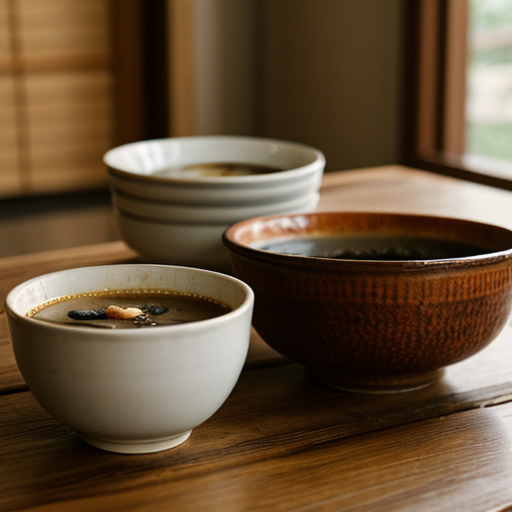
Samgyetang is a whole young chicken stuffed with glutinous rice, jujube, garlic, and ginseng, simmered for hours in a milky broth. When I tried my first bowl at a rainy midday in Gyeongbokgung, the herbal aroma instantly cleared my sinuses. It costs around 16,000 KRW to 20,000 KRW at specialty restaurants like Tosokchon, and it is traditionally eaten during the hottest days of summer to restore stamina.
The secret to enjoying samgyetang properly is breaking open the chicken belly so the rice absorbs the ginseng broth. You dip the tender meat into a small dish of salt and pepper provided on the table. The broth itself contains almost no sodium initially, allowing you to season it to your personal taste.
2. Sundae gukbap (Blood Sausage Soup)
Sundae gukbap is a rich pork bone broth loaded with Korean blood sausage, sliced pork offal, and scallions, served piping hot in an earthen pot. Many foreigners hesitate because of the word blood sausage, but the texture is remarkably tender and similar to European sausage casings. A bowl typically runs between 9,000 KRW and 11,000 KRW at traditional markets like Mangwon or Namdaemun.
When eating this dish, stir in a spoonful of saeujeot, which are tiny salted fermented shrimp, instead of table salt. The shrimp add a deep umami kick that elevates the broth from simple soup to a complex culinary experience. I usually add a heavy hand of spicy red pepper paste directly into the broth until it turns a deep crimson.
3. Yukhoe (Korean Beef Tartare)
Yukhoe consists of raw beef strips marinated in sesame oil, garlic, soy sauce, and sugar, topped with a raw egg yolk and served alongside julienned Korean pear. Gwangjang Market is the most famous destination for this dish, where a generous plate costs about 19,000 KRW. The sweetness of the pear cuts through the rich, savory beef in a way that feels surprisingly refreshing.
Mix the egg yolk completely into the beef before your first bite, and make sure to grab a slice of pear in the same chopstick motion. The contrast between the cold, crisp fruit and the soft, cool meat creates a texture profile unlike Western steak tartare. It pairs exceptionally well with a cold bottle of green plum liquor.
4. Gamja-tang (Pork Bone Stew)
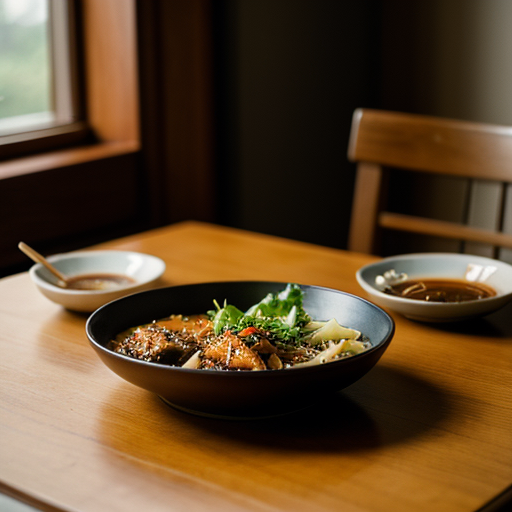
Gamja-tang is a hearty, spicy stew made from pork spine bones, potatoes, cabbage, and wild sesame seed powder. A medium pot for two people costs roughly 30,000 KRW and requires you to pull the tender meat off the giant bones with your fingers or chopsticks. It is the ultimate late-night comfort food in Seoul, especially after a long evening of drinking.
Do not finish the soup without ordering a portion of bokkeumbap, which is fried rice made using the remaining broth in the bottom of the pot. The restaurant staff will scrape the bottom of the pan to create a layer of crispy, savory rice crust that absorbs all the residual pork fat.
5. Naengmyeon (Cold Buckwheat Noodles)
Naengmyeon features thin, chewy buckwheat noodles served in an ice-cold beef broth flavored with dongchimi radish water, topped with sliced beef, a boiled egg, and pear. A bowl costs between 11,000 KRW and 15,000 KRW in established historic shops in Myeongdong. The noodles are so elastic that traditional restaurants provide kitchen shears so you can cut them into manageable lengths before eating.
Before touching your chopsticks, pour a small spiral of apple vinegar and yellow mustard directly into the broth. Purists argue against this, but the acid brightens the beef broth significantly. The biting cold of the soup on a humid July afternoon is an unmatched sensory reset.
6. Ganjang Gejang (Soy Sauce Marinated Crab)
Ganjang gejang is raw swimming crab marinated in a seasoned soy sauce blend for days, causing the flesh to cure chemically into a custard-like consistency. It is often called a rice thief because the intense umami forces you to eat bowl after bowl of white rice. A proper meal at a specialized restaurant in Mapo-gu ranges from 35,000 KRW to 50,000 KRW per person.
The best part of the experience happens at the very end when you scoop warm rice directly into the empty crab shell. Mix the rice with the remaining soy sauce, crab fat, and bits of roe clinging to the corners of the shell. Wrap this mixture inside a dried seaweed sheet for the ultimate bite.
7. Kalguksu (Knife-Cut Noodles)
Kalguksu gets its name from the technique of rolling out wheat dough and cutting the noodles by hand with a kitchen knife, resulting in strands of varying thickness. The broth is typically brewed from dried anchovies and kelp, giving it a clean, briny flavor profile. A bowl at a local market stall costs around 8,000 KRW to 10,000 KRW.
These noodles come served with a fiery kimchi that is heavily spiced with garlic and red pepper flakes. The heat of the kimchi provides a sharp contrast to the mild, soothing fish broth. I make it a point to visit the basement noodle stalls of Namdaemun Market at least once a month for this specific combination.
8. Chueotang (Loach Soup)
Chueotang is a thick, earthy soup made by boiling small pond loach fish until they disintegrate, then blending them with soybean paste, dried radish greens, and ground perilla seeds. A bowl costs roughly 11,000 KRW and looks deceptively simple. Despite containing fish, the texture is smooth and velvety, resembling a rich squash soup rather than seafood broth.
Always add a generous shake of sansho pepper powder, known locally as chopi, before eating your first spoonful. The pepper adds a distinct citrusy tingling sensation that cuts through the earthy richness of the soybean paste. It is a deeply traditional dish that few foreign tourists discover on their own.
9. Jokbal (Braised Pig Trotters)
Jokbal consists of pig trotters simmered for hours in a master stock flavored with soy sauce, ginger, garlic, and Chinese cinnamon, sliced into thick, chewy rounds. A large platter for sharing costs around 35,000 KRW to 45,000 KRW in areas like Jangchung-dong, famous for its historic pork trotter alley. The skin and fat layers provide a gelatinous, melt-in-your-mouth texture.
To eat jokbal like a local, pick up a slice of meat, dip it in salted fermented shrimp sauce, add a dab of ssamjang, and wrap it in a fresh lettuce leaf with raw garlic. The crisp greens balance the rich fat of the pork perfectly. It is the ultimate sharing food for social gatherings.
10. Doenjang Jjigae (Fermented Soybean Paste Stew)
Doenjang jjigae is the everyday heartbeat of Korean home cooking, made from fermented soybean paste simmered with tofu, zucchini, onions, potatoes, and sometimes beef or seafood. While many restaurants serve it as a side dish, ordering it as a main meal with rice costs about 8,000 KRW. The fermented paste gives it a deep, funky, comforting aroma that fills traditional Korean neighborhoods.
Pour several spoonfuls of the stew directly over your bowl of white rice and mash the ingredients together with your spoon. This casual style of eating is how Koreans enjoy the dish at home. It represents the foundation of Korean flavor philosophy, proving that simple ingredients can achieve extraordinary depth through fermentation.
Quick Comparison of Seoul's Must-Try Traditional Dishes
| Dish Name | Average Price (KRW) | Primary Flavor Profile | Best Neighborhood |
|---|---|---|---|
| Samgyetang | 16,000 - 20,000 | Herbal, clean, savory | Jongno-gu |
| Sundae Gukbap | 9,000 - 11,000 | Rich, pork-bone, savory | Mapo-gu |
| Yukhoe | 18,000 - 22,000 | Sweet, sesame, raw beef | Jongno-gu (Gwangjang) |
| Gamja-tang | 30,000 - 40,000 | Spicy, pork, potato | Gangnam-gu |
| Ganjang Gejang | 35,000 - 50,000 | Salty, sweet, umami crab | Mapo-gu |
Navigating Seoul's food scene becomes much easier once you look beyond barbecue restaurants and explore neighborhood specialty spots. Keep a translation app ready for menus without English, but do not hesitate to point at what other tables are eating. My own culinary journey started with confusion in a crowded tent, but every unfamiliar bowl taught me something new about Korean culture.