Where should I eat in Seoul to avoid tourist traps?
Where should I eat in Seoul to avoid tourist traps?
Picture standing in the middle of Myeongdong on a chilly Tuesday evening, surrounded by glowing neon signs and the overwhelming smell of buttered street lobster. You are hungry, tired from walking ten miles, and every restaurant you look at has a line wrapped around the corner with tourists holding selfie sticks. You walk into the nearest brightly lit BBQ place, only to pay triple the local price for frozen meat served with a side of indifferent service. This is the classic rookie mistake in Seoul.
When searching for the absolute Best Seoul food spots for 2026, the secret is knowing where the local office workers actually go when they clock out at six. Tourist districts cater to fleeting visitors who will never return, whereas neighborhood back alleys rely entirely on repeat local customers who know the exact taste of traditional broth or perfectly aged pork belly. If the menu only has pictures and English translations without a single Korean regular in sight, run in the opposite direction.
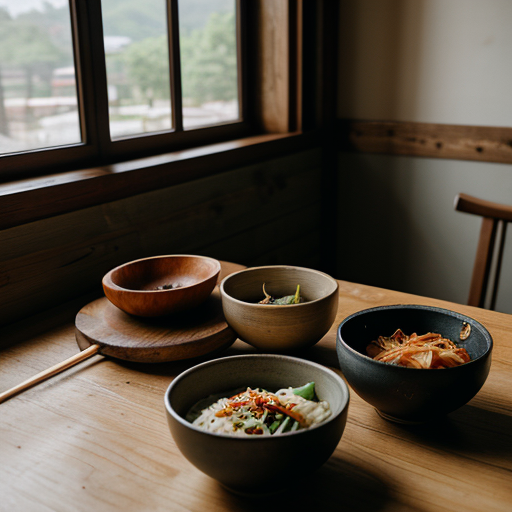
The Great Culinary Divide: Tourist Hubs vs. Local Alleys
Why do so many travelers end up eating mediocre food in Seoul? The primary reason is reliance on global travel blogs that copy and paste the exact same five restaurants in Gangnam and Hongdae. These areas have high rent, meaning restaurants cut corners on ingredients or inflate prices. Let us break down the fundamental differences between dining in a commercial tourist zone versus a residential commercial district.
| Dining Category | Tourist District (e.g., Myeongdong) | Local Alley (e.g., Mapo/Gongdeok) |
|---|---|---|
| Average Meal Cost | 25,000 - 45,000 KRW per person | 12,000 - 22,000 KRW per person |
| Ingredient Freshness | Pre-packaged or frozen for mass turnover | Daily sourced from local agricultural markets |
| Side Dishes (Banchan) | Minimal, often factory-made kimchi | Handmade, seasonal, unlimited refills |
| English Support | High (Menus, staff) | Low (Pointing and basic Korean needed) |
Looking at the table above, the trade-off is clear. You sacrifice English convenience for significantly better food quality and authenticity when stepping off the beaten path. In my own experience wandering the backstreets of Mangwon-dong, the best meal I ever had cost less than a cup of coffee in Gangnam, yet the depth of the fermented soybean stew stayed on my mind for weeks.
Top Neighborhoods for Unforgettable Eats
Finding the right food spot requires targeting specific neighborhoods known for distinct culinary traditions. Forget wandering aimlessly. Head directly to these three zones for a guaranteed culinary victory.
Gongdeok Market: The Undisputed King of Jokbal and Jeon
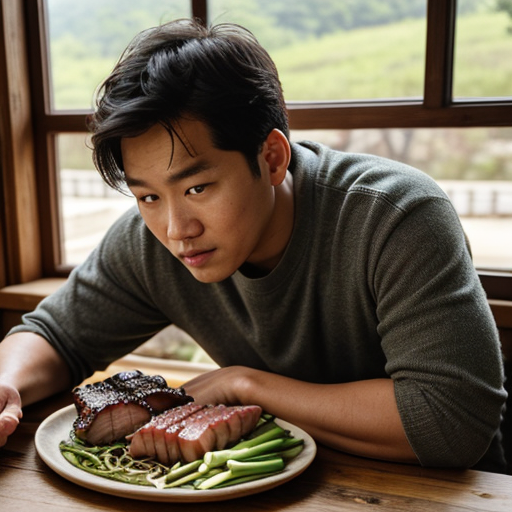
Located near Mapo, Gongdeok is famous for its bustling indoor market stalls. The specialty here is Jokbal (braised pig trotters) and Jeon (Korean savory pancakes). Unlike the sanitized versions found in department store basements, the Jokbal here is simmered in a massive master broth that has been enriched for decades. When you order a medium set, the vendors will often hand you complimentary steaming bowls of Sundae gukbap (blood sausage soup) just to keep you warm.
Euljiro: Industrial Vibes and Hidden Dak-doritang
Euljiro, often nicknamed 'Hipjiro' by young locals, blends old-school print shops with trendy hidden bars and restaurants. During the day, the narrow alleyways look deserted. By evening, plastic tables spill out onto the pavement. Search for the tiny, unmarked doorways serving Dak-doritang (spicy braised chicken stew) packed with garlic and potatoes. The atmosphere is loud, smoky, and utterly unforgettable.
Mangwon-dong: Market Snacks and Modern Bistros
Adjacent to the Han River, Mangwon Market offers a more traditional street food experience than Gwangjang Market. Here you will find handmade kalguksu (knife-cut noodles) for under 6,000 KRW, alongside modern fusion bakeries and natural wine bars run by young Korean chefs. It represents the modern evolution of Seoul's dining culture.
Actionable Rules for Navigating Korean Restaurants
Mastering Seoul's food scene requires more than just knowing coordinates. You need to understand local dining etiquette and operational habits to secure the best tables.
- Download Naver Map instead of Google Maps. Google is notoriously unreliable for walking directions and restaurant reviews in South Korea.
- Look for the 'Naver Reservation' badge or a line of elderly locals waiting outside. Elderly Koreans have extremely high standards for traditional seasoning.
- Do not be afraid of places with no English menu. Use the Papago app for instant photo translation of Korean text.
- Always check if the restaurant operates on a table-minimum ordering system for meat dishes, which is standard practice for Korean BBQ joints.
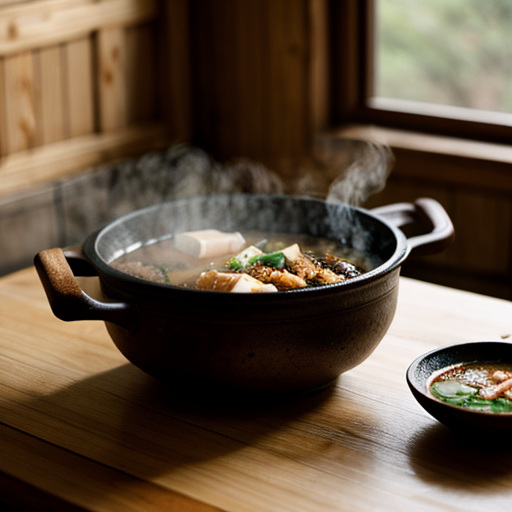
When you sit down at your first true local spot, remember that hospitality in Korea is efficient rather than overly deferential. Water is often self-serve from a glowing blue dispenser in the corner, and the call bell on the side of your table is your best friend when you need extra napkins or another bottle of Cass beer. Embrace the organized chaos.
Seoul's culinary landscape changes fast, but the soul of its food remains rooted in shared pots, bubbling broths, and centuries-old recipes adapted for modern palates. Skip the tourist traps, trust your instincts, and follow the scent of sesame oil down the nearest quiet alley.