What should I eat first when visiting Seoul
What should I eat first when visiting Seoul
Picture this. You just stepped off the Airport Railroad Express at Seoul Station. The crisp evening air carries a faint, intoxicating scent of charred wood, sweet soy sauce, and fermented chili. Your stomach rumbles. You wander into a neon-lit alley in Euljiro, but the overwhelming rush of local menus, bustling crowds, and sizzling grills paralyzes you. Do you walk into the packed barbecue joint, or settle for a safe, familiar convenience store ramyun? Most first-timers choose the latter out of intimidation, missing out on the true heartbeat of the city.
Navigating the food scene here requires more than just an appetite. It demands a bit of strategy. The culinary landscape of this metropolis is shifting rapidly, blending ancient culinary preservation with hyper-modern food technology. Understanding where to go and how to order can transform a stressful vacation into an unforgettable gastronomic adventure.
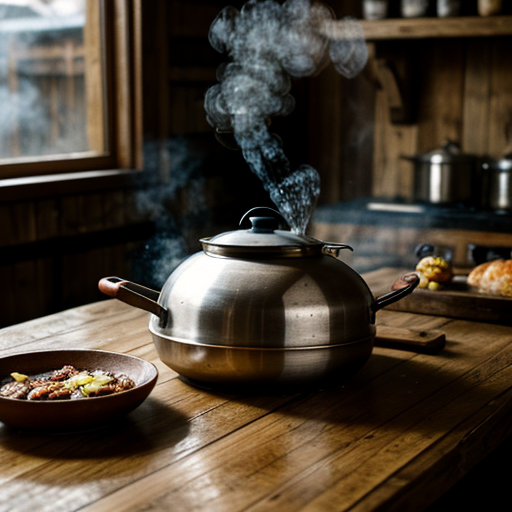
The Great Food Divide: Historic Markets vs. Hidden Alleys
Many travelers flock straight to Gwangjang Market after watching global food documentaries. While the vibrant stalls and mounds of glass noodles are mesmerizing, they often present a sterilized, crowded version of Korean street food. If you want to experience where the locals actually spend their Friday nights, you have to look elsewhere. The real magic happens in the narrow back alleys of older districts like Jongno, Mullae, and Euljiro.
In these hidden pockets, generational cooks specialize in just one dish. Unlike tourist-heavy zones where menus try to offer everything from bibimbap to fried chicken, these seasoned veterans focus on mastering a single craft. This micro-specialization is what defines the local food culture. When discussing the search for the Best Seoul food for 2026, food critics point directly to this return to hyper-local, single-focus establishments that refuse to compromise on traditional preparation methods.
The Hidden Etiquette Under Your Table
Walking into a traditional joint can feel intimidating, but a few simple cultural hacks will make you look like a seasoned local. First, never look for chopsticks on top of the table. Reach down and feel under the table rim; almost every casual diner in this country uses a hidden drawer packed with sanitized spoons, metal chopsticks, and napkins.
Another cultural detail that surprises many is the calling button. Instead of waiting awkwardly for a server to make eye contact, simply press the small button on your table. It is not considered rude. In fact, it is the most efficient way to get service in a fast-paced environment. When your food arrives, remember that side dishes, known as banchan, are entirely refillable. Once you finish your small plates of kimchi or pickled radish, look around for a sign that says Self. Taking your small dishes to the self-service bar for a refill is a great way to show respect for the establishment.
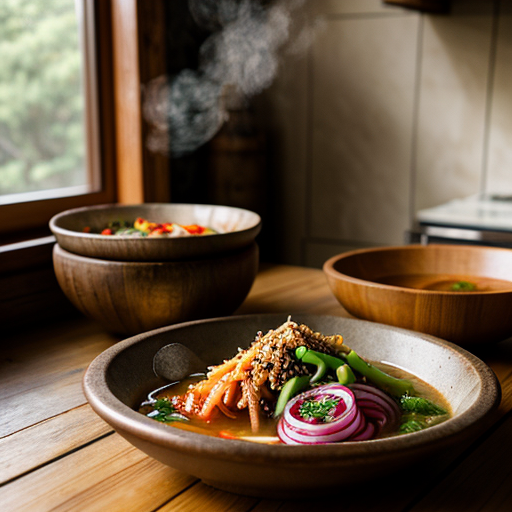
Comparing the Classic Culinary Zones of Seoul
To help you structure your itinerary, this breakdown highlights where to go, what to order, and how much to budget. These are established neighborhoods where quality remains consistently high, avoiding the typical tourist-inflation traps.
| Neighborhood | Signature Dish | Average Cost (KRW) | Nearest Subway Station |
|---|---|---|---|
| Euljiro Alleys | Garlic pork belly & grilled draft beer snacks | 15,000 - 22,000 | Euljiro 3-ga (Line 2) |
| Sincheon-dong | Slow-simmered beef bone soup (Seolleongtang) | 11,000 - 15,000 | Jamsil Station (Line 2) |
| Mapo-gu Alleys | Marinated pork galbi over real charcoal | 18,000 - 25,000 | Mapo Station (Line 5) |
| Insadong Backroads | Artisanal temple food & wild herb rice | 20,000 - 35,000 | Anguk Station (Line 3) |
Having traveled across many provinces, I can confidently say that the regional differences in food prep find their way into Seoul eventually. But nothing beats the rustic charm of Mapo for charcoal meats, or the deep, rich broth you find in the older corners of Sincheon. If you are aiming to taste the Best Seoul food for 2026, prioritizing these historic hubs over trendy Instagram cafes will reward you with much deeper, more complex flavors.
Deciphering the Menu: Why Broth Matters
In the West, soup is often treated as an appetizer. Here, soup is the main event, the ultimate comfort food, and a daily ritual. If you want to understand the soul of the city, order a bowl of Seolleongtang. This milky-white beef bone soup is simmered for over fifteen hours until the marrow dissolves completely, creating a rich, velvety texture without a single drop of dairy.
When the steaming stone bowl arrives, you might find it surprisingly bland. This is intentional. The kitchen leaves the broth completely unseasoned so you can customize it. Add a pinch of coarse sea salt, a handful of fresh chopped scallions, and a spoonful of the sour radish kimchi juice sitting on your table. This customization process is a sacred ritual. In my experience, the true test of a great Seolleongtang restaurant is not actually the broth itself, but the quality of their fermented radish cubes. If the radish is perfectly sweet, sour, and crunchy, the soup is guaranteed to be spectacular.
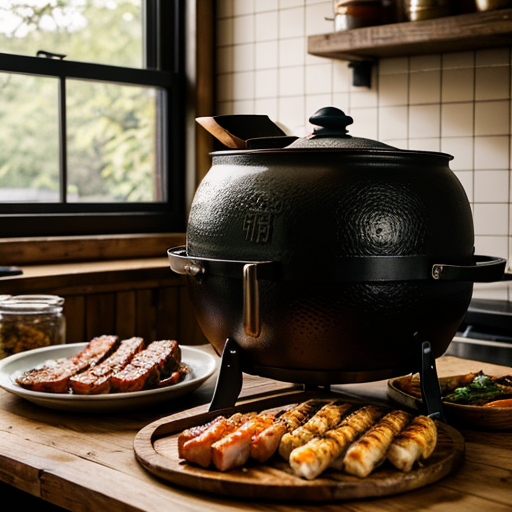
First-Time Diner Survival Kit
To navigate the dining landscape smoothly, keep these practical guidelines in mind:
- Ditch Google Maps: It does not update walk-routes or small restaurant locations accurately in Korea. Download Naver Map or KakaoMap before you arrive.
- Carry a T-Money Card: While most sit-down restaurants accept international credit cards, some smaller market stalls still prefer cash or local transit cards.
- Look for Solo Dining Signs: Some traditional barbecue joints require a minimum of two portions to order. If traveling alone, look for places displaying "Honbap" (solo dining friendly) or stick to soup and rice bowl establishments.
The Next Wave of Dining
Why is the local culinary landscape changing so quickly? The younger generation of chefs is returning from abroad, bringing modern culinary techniques back to traditional family recipes. This fusion is giving birth to a new category of dining. Think wood-fired Korean barbecue using dry-aged domestic beef, or vegan-friendly temple food served in multi-course tasting menus.
This evolution is exactly what positions the Best Seoul food for 2026 as a balance of heritage and innovation. It is no longer just about quick street bites; it is about appreciating the fermentation time, the wood quality used for smoking, and the sourcing of regional ingredients from coastal towns like Namhae or the heights of Jeju Island. Getting to experience this transition firsthand is the ultimate reward for any curious traveler visiting this dynamic city.