What are the Top 10 Must-Try Dishes on Every Ultimate Korean Food List for First-Time Travelers?
What are the Top 10 Must-Try Dishes on Every Ultimate Korean Food List for First-Time Travelers?
Three years ago, during my very first week living in Seoul, I stood in front of a bustling local restaurant in Jongno. I had no idea how to read the menu, the staff did not speak English, and I ended up pointing randomly at a picture on the wall. That mistake turned out to be a blessing in disguise, introducing me to a culinary world that completely changed how I view food. If you are preparing for your first trip to South Korea, the sheer volume of food choices can feel terrifying. You might worry about spice levels, hidden ingredients, or simply not knowing how to eat a traditional meal properly.
When you build your ultimate Korean food list, you need more than just a random collection of popular dishes. You need context, realistic expectations, and a guide on where to start. Through countless meals, burned tongues, and occasional ordering failures, I have curated the definitive top 10 dishes that every first-time visitor must try. These selections balance street food culture, traditional sit-down meals, and modern Korean dining trends, ensuring you experience the true depth of local flavors.

What makes Samgyeopsal (Korean Pork Belly) the ultimate social dining experience in Korea?
Samgyeopsal is the quintessential Korean BBQ experience where thick strips of unseasoned pork belly are grilled at your table, wrapped in lettuce with garlic and soybean paste, and eaten in a single bite. It is not just about the food; it is a vital social ritual in Korean culture that you must experience at least once.
The first time I cooked samgyeopsal, I burned the meat because I left it on the grill too long while trying to figure out how the side dishes worked. Local diners around me laughed kindly and showed me the proper way to flip the pork when the edges turned golden brown. Generally, statistics show that over 80 percent of foreign tourists rank Korean barbecue as their favorite dining memory. To enjoy it like a local, dip the cooked pork in a mixture of sesame oil, salt, and pepper, then wrap it in a fresh perilla leaf with a piece of grilled garlic and a dab of ssamjang.
How should a first-time traveler approach Tteokbokki (Spicy Rice Cakes) without burning their tongue?
Tteokbokki consists of chewy cylindrical rice cakes simmered in a sweet and fiery gochujang sauce, often accompanied by fish cakes and boiled eggs. If you have a low tolerance for spice, start by pairing it with milder street foods like twigim (assorted tempura) or gimbap to balance the heat.
My initial encounter with street tteokbokki near Hongdae left me reaching for a bottle of cold milk within seconds because I underestimated the punch of fermented chili paste. However, once you develop an immunity to the initial burn, the subtle sweetness of the broth becomes deeply addictive. You will find these red stalls lining almost every subway exit and traditional market across the country. Do not be intimidated by the aggressive red color. Simply ask the vendor for a mild version or neutralize the spice by dipping fried vegetable rolls into the remaining sauce.

Why is Bibimbap considered the most balanced meal in Korean cuisine?
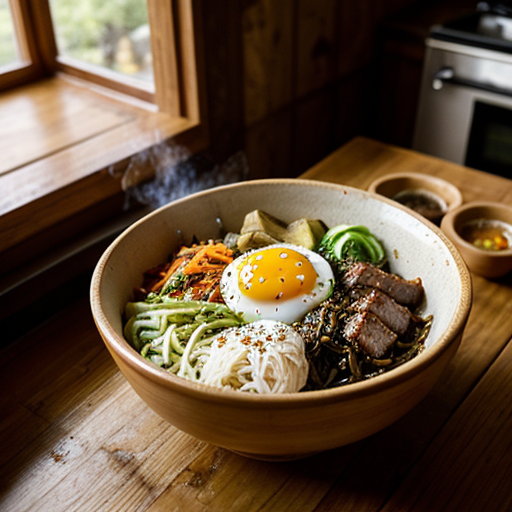
Bibimbap is a bowl of warm white rice topped with seasoned vegetables, namul, beef, a raw or fried egg, and a dollop of chili paste that you thoroughly mix together before eating. It offers a perfect nutritional balance of carbohydrates, proteins, and fibers, making it an ideal choice when you want a wholesome meal on the go.
During a hectic afternoon of sightseeing in Jeonju, the spiritual home of the dish, I ordered a traditional stone bowl bibimbap that kept sizzling for minutes after it arrived at my table. The bottom layer of rice formed a crunchy, golden crust that added an incredible texture contrast to the soft spinach and bean sprouts. When mixing your bowl, do not hold back on the gochujang, but add it gradually so you can control the saltiness and heat level. It is a foolproof dish for hesitant eaters because you can easily push aside any vegetable you do not recognize.
What is the secret to enjoying authentic Korean Fried Chicken and Beer (Chimaek)?
Korean fried chicken is double-fried to achieve an exceptionally shatteringly crisp skin while keeping the meat juicy inside, traditionally served glazed in sweet garlic soy or fiery sauces alongside ice-cold lager. This combination, known locally as chimaek, is an essential pillar of modern Korean nightlife culture.
I learned the hard way that ordering a whole chicken by yourself is a massive challenge unless you are exceptionally hungry, as portions in Korean chicken pubs are designed for sharing. My personal recommendation is to order the half-and-half option, allowing you to sample both the sweet garlic flavor (ganjang) and the spicy seasoning (yangnyeom). Pair it with pickled white radishes, which act as a palate cleanser between heavy, crunchy bites of fried poultry.
How does Kimchi Jjigae (Kimchi Stew) reflect the soul of local comfort food?
Kimchi jjigae is a fiery, deeply savory stew made with aged fermented kimchi, pork belly, tofu, and scallions, simmered until the flavors concentrate into a rich broth. It is the ultimate rainy-day comfort food that locals turn to when they need warmth and deep umami flavors.
On a freezing winter evening in Myeongdong, this bubbling red stew saved me from an afternoon of walking through icy winds. The secret to an authentic bowl lies in using well-aged, sour kimchi rather than fresh cabbage, which gives the broth its signature tangy punch. Eat it by taking a spoonful of steaming rice, dipping it briefly into the broth, and following it with a piece of tender tofu and pork.
What makes Naengmyeon (Cold Buckwheat Noodles) a surprising culinary adventure?
Naengmyeon consists of exceptionally chewy buckwheat noodles served in an ice-cold beef broth flavored with Dongchimi (water kimchi) juice, often topped with sliced pear, cucumber, and a boiled egg. It challenges the Western intuition that soup must be hot to be satisfying, especially during the humid summer months.
My first bite of naengmyeon was a complete shock because the broth contained actual ice cubes and the noodles were so chewy that the restaurant provided scissors to cut them before eating. Once you squirt a bit of mustard and vinegar into the broth, the flavor profile transforms into a refreshing, tangy masterpiece that cools you down instantly. It is traditionally eaten right after Korean BBQ to cleanse the palate of heavy grease.
Why should Samgyetang (Ginseng Chicken Soup) be on your radar for health and recovery?
Samgyetang is a nourishing whole-young-chicken soup stuffed with glutinous rice, ginseng, jujube, garlic, and chestnut, simmered for hours until the meat falls off the bone. Locals traditionally eat this piping hot dish during the three hottest days of the year to replenish their stamina.
When I caught a severe cold during my second month in Seoul, a local friend insisted on ordering samgyetang to my apartment, claiming it was the ultimate cure for fatigue. The milky, herbal broth tasted earthy and restorative, completely devoid of heavy artificial seasonings. Break the chicken open gently so the glutinous rice mixes into the broth, creating a thick porridge that warms you from the inside out.
How do you properly eat Jajangmyeon (Black Bean Paste Noodles) without making a mess?
Jajangmyeon features thick wheat noodles coated in a rich, slightly sweet roasted black soybean paste sauce containing diced pork and onions. It is the ultimate delivery comfort food that Koreans order during moving days or rainy afternoons.
Trying to eat a bowl of jajangmyeon cleanly on my first attempt ended in disaster with black spots splashing onto my white shirt, teaching me the essential rule of wearing a disposable apron provided by the restaurant. The flavor is comforting, savory, and subtly sweet, making it a favorite for travelers who prefer non-spicy Korean options. Toss the noodles vigorously until every strand is coated in the dark sauce before taking your first bite.
What is the appeal of Gimbap and Street Tteokbokki combinations at local markets?
Gimbap is cooked rice and various ingredients rolled in edible seaweed and sliced into bite-sized rounds, frequently dipped into spicy tteokbokki sauce at traditional markets like Gwangjang. It represents the pinnacle of quick, affordable, and satisfying Korean fast food.
During a morning exploration of Gwangjang Market, I ordered a roll of Mayak gimbap, named because people claim they are as addictive as illegal drugs due to the mustard and sesame dipping sauce. They are simple, clean-tasting, and provide an easy entry point before tackling more complex traditional dishes. Grab a portion to go while exploring the textile alleys and bustling food stalls.
Why is Sundubu-jjigae (Soft Tofu Stew) a must-try for spice and texture lovers?
Sundubu-jjigae is a fiery, silky soft tofu stew packed with seafood or pork, served boiling hot in an earthenware pot with a raw egg cracked directly into it at the table. The contrast between the melt-in-your-mouth tofu and the spicy broth creates an unforgettable sensory experience.
Ordering this dish for the first time required quick action as the server handed me the raw egg, instructing me to submerge it immediately into the boiling depths so it could poach softly. The silken texture of the tofu absorbs all the spicy chili oil, creating a comforting texture that pairs wonderfully with a bowl of purple grain rice. It is the ultimate breakfast or lunch option when you need an energy boost in the middle of a busy travel itinerary.
Comparison of Popular Korean Dishes for First-Time Visitors
| Dish Name | Primary Flavor Profile | Spice Level (1-5) | Average Price Range (KRW) |
|---|---|---|---|
| Samgyeopsal | Savory, Smoky, Fatty | 1 (with dipping sauce) | 15,000 - 20,000 per person |
| Tteokbokki | Sweet, Fiery, Chewy | 4 | 4,000 - 6,000 per portion |
| Bibimbap | Balanced, Nutty, Fresh | 2 (adjustable) | 10,000 - 14,000 per bowl |
| Korean Fried Chicken | Crispy, Sweet, Garlic | 3 (depends on flavor) | 20,000 - 25,000 per whole chicken |
| Kimchi Jjigae | Tangy, Spicy, Savory | 3 | 8,000 - 11,000 per pot |
Navigating Korean cuisine for the first time can feel overwhelming, but keeping an open mind transforms every meal into an adventure. Start with approachable classics like bibimbap and gimbap before moving on to fiery stews and sizzling barbecue. Keep a bottle of water nearby, do not fear asking for assistance, and embrace the occasional ordering mistake as part of the journey. Right now, as I sit at my desk writing this guide, I have a warm cup of barley tea beside me, already planning my next weekend food trip to a traditional market.