What Are the Best Places in Busan Korea and Seoul for First-Time Travelers
What Are the Best Places in Busan Korea and Seoul for First-Time Travelers
Stepping out of Incheon International Airport for the very first time can feel like walking onto a hyper-futuristic movie set. You grip your smartphone, frantically tap the screen, only to realize that standard global map applications refuse to provide walking directions due to domestic security policies. A wave of panic hits you right there in the arrival lobby. How do you actually navigate a country where street signs suddenly shift from Roman alphabets to intricate Korean characters, and where the sheer scale of the capital city dwarfs everything you have ever known?
Most first-time visitors try to cram twenty different districts into a frantic four-day schedule, ending up exhausted in a hotel room with aching feet and cold convenience store kimbap. If you want to experience the true heartbeat of the Korean Peninsula without losing your sanity, you need a balanced duel-city approach. Pairing the electric velocity of Seoul with the salty, laid-back coastal charm of Busan creates the ultimate introductory journey. Let us break down exactly where you should go, how to move between these cultural hubs, and why certain neighborhoods deserve priority over tourist traps.
Decoding the Dual Metropolis: Seoul vs. Busan
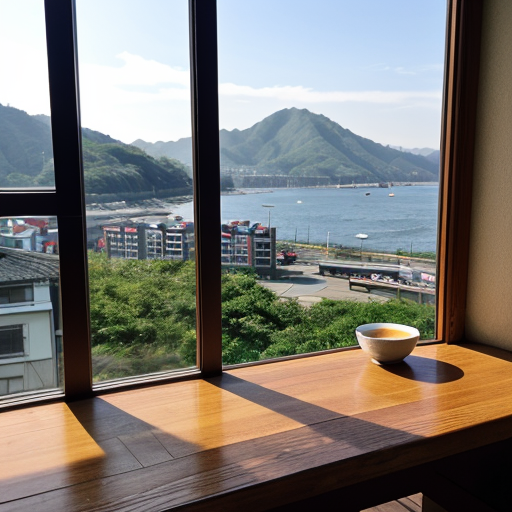
Contrasting Seoul and Busan is essential for understanding modern South Korea. Seoul operates as a relentless, multi-layered megacity where ancient palaces share a fence with glittering glass skyscrapers. It is vertical, fast, and intensely digital. Busan, on the other hand, stretches horizontally along the coastline. It is maritime, tactile, and breathes at a much slower, more forgiving rhythm. When planning your trip, think of Seoul as your deep dive into history, shopping, and urban architecture, and Busan as your reset button featuring fresh seafood, dramatic cliffside temples, and sweeping ocean horizons.
Why do travelers often make the mistake of treating these two cities the same? Because travel brochures paint the entire country as a singular homogeneous tourist zone. In reality, the cultural shift you experience when stepping off the KTX bullet train at Busan Station is as distinct as traveling from New York to Miami. Seoul demands your attention with flashing neon and underground labyrinths, while Busan invites you to sit on a concrete seawall with a warm can of roasted green tea and watch the cargo ships glide past Oryukdo Island.
The Essential Seoul Itinerary for Beginners
For your days in the capital, anchor your stay near the Jongno or Hongdae areas. Jongno places you within walking distance of Gyeongbokgung Palace and the narrow, winding alleys of Bukchon Hanok Village, where traditional wooden homes with curved tile roofs stand defiant against the backdrop of modern office towers. My personal experience dictates that visiting the palace early in the morning right when the gates open is the only way to escape the massive tour groups. Renting a traditional hanbok grants you free admission, turning a standard historical walk into an immersive architectural journey.
When the sun dips below the horizon, shift your energy to the western side of the city. Hongdae pulses with indie music, street performers, and small basement vinyl bars. Unlike the high-end luxury avenues of Gangnam, Hongdae represents the youthful, unpolished grassroots culture of contemporary Seoul. Grab a standing table at a local street-side tteokbokki cart, order a plate of fiery rice cakes paired with mild fish cake broth, and simply observe the endless river of stylish pedestrians walking past.

Transitioning South: The Route to Busan
Moving from the capital to the southeastern coast requires precise logistical planning. Do not attempt to fly or take a standard regional bus unless you enjoy wasting precious vacation hours. The Korea Train Express, commonly known as the KTX, is your absolute best friend. Departing regularly from Seoul Station, the sleek high-speed train whisks you across the country in roughly two hours and forty-five minutes. Watching the dense concrete apartment blocks of Seoul gradually flatten into rolling agricultural fields and rugged mountain passes through the train window is a meditative ritual in itself.
Once you arrive at Busan Station, your first operational task is securing a local transit card, such as a T-money or Cashbee card, and loading it with at least thirty thousand won. Unlike Seoul's hyper-complex subway map, Busan's transit network is wonderfully straightforward, primarily anchored by Line 1 and Line 2, which trace the coastal curves and major commercial centers.
| Travel Metric | Seoul (Capital Hub) | Busan (Coastal Hub) |
|---|---|---|
| Recommended Stay Duration | 4 to 5 Days | 3 to 4 Days |
| Primary Vibe | Fast-paced, historic, cosmopolitan | Laid-back, maritime, scenic |
| Average Daily Transit Time | 45 to 90 Minutes (Subway) | 20 to 50 Minutes (Coastal routes) |
| Must-Try Regional Food | Korean Barbecue & Kalguksu | Dwaeji Gukbap & Raw Fish (Hoe) |
Unlocking Busan's Coastal Masterpieces
Busan demands that you head straight toward the water. Haeundae Beach and Gwangalli Beach are the glittering jewels of the eastern shore, but seasoned travelers know that the true magic lies slightly off the beaten path. Take the coastal walking trail near Haeundae Blue Line Park, where old railway tracks have been transformed into an elevated scenic path overlooking the crashing waves of the East Sea. The sea breeze carries the distinct scent of salt and grilled seafood from nearby tented pocha stalls.
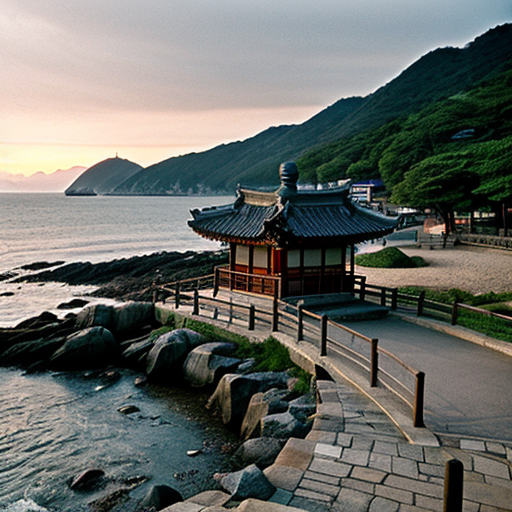
Further down the rocky coastline sits Haedong Yonggungsa Temple. Unlike most Buddhist temples in Korea, which are nestled deep within quiet mountain forests, this sacred space clings precariously to jagged sea cliffs where ocean spray constantly misting the stone lanterns. Standing on the stone bridge listening to the rhythmic pounding of waves against the boulders clears the mind in a way that urban sightseeing never can. My personal advice is to arrive right at sunrise to watch the golden morning light break directly over the temple rooflines.
1. Download Naver Maps or KakaoMap immediately upon arrival for accurate walking directions.
2. Purchase your KTX tickets online at least two weeks in advance to secure optimal departure times.
3. Always carry a small pouch of physical cash (around 20,000 to 50,000 KRW) for street food vendors and traditional market stalls where international credit cards might occasionally fail.
4. Remember to remove your shoes when entering traditional accommodations or small local eateries with raised floor seating.