Seoul Travel Guide: 5-Day Itinerary and Essential Tips
Seoul Travel Guide: 5-Day Itinerary and Essential Tips
Stepping out of Incheon International Airport, the crisp air carries a faint scent of toasted sesame oil and metallic subway dust. You pull out your phone, open the familiar blue map app that has guided you through dozens of global cities, and type in your hotel address. Nothing happens. The walking directions are blank, and the driving route is a confusing mess of outdated lines. Welcome to South Korea, a hyper-technological wonderland where some of the world’s most popular global apps simply do not work. Perhaps you have already saved dozens of short-form travel videos showcasing glowing palace night tours and bubbling pots of army stew, but have you actually planned how to navigate the intricate labyrinth of the metropolitan transit system without losing your mind? Without the right preparation, your dream trip can quickly devolve into a stressful exercise in getting lost.
The Great Korean Navigation Dilemma
Many first-time visitors feel a sudden wave of panic when they realize their usual navigation tools are practically useless here. To understand why this happens, we have to look at local legislation. South Korea maintains strict national security laws that restrict the export of domestic mapping data to foreign companies. Because Google refuses to store its map data on local Korean servers subject to government security filters, its platform cannot provide accurate real-time walking directions or updated transit schedules within the country. To get around smoothly, you must immediately transition to the domestic digital ecosystem.
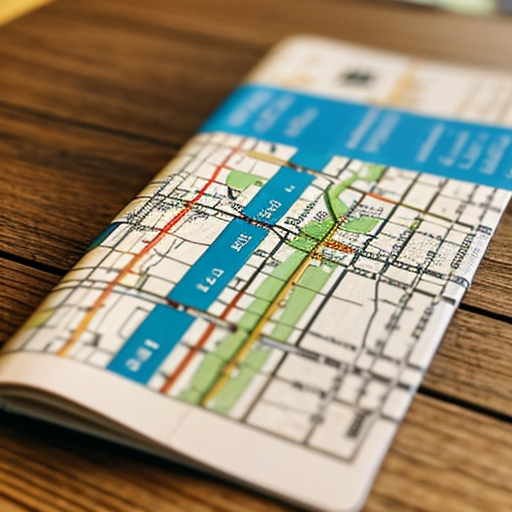
During my first week living in Seoul, I spent forty-five minutes wandering around the alleyways of Euljiro because I stubbornly relied on global maps. I was looking for a hidden cold noodle restaurant, only to find myself circling the same welding shops repeatedly. The moment I switched to Naver Map, the blue dot aligned perfectly with a narrow, unmarked side street, leading me straight to my bowl of chilled broth. Downloading Naver Map or KakaoMap before you pass through immigration is the single most important step you can take to ensure a seamless journey.
Choosing Your Transit Weapon: Seoul Pass Comparison
Seoul possesses one of the most efficient, clean, and affordable public transportation networks on earth. However, paying with cash for every single ride is incredibly tedious and prevents you from accessing free transfer discounts between buses and subways. You need a dedicated transit card. Depending on your travel style, one specific card will serve you much better than the others.
| Card Type | Initial Cost (KRW) | Best Suited For | Primary Purchase Locations |
|---|---|---|---|
| Tmoney Card | 3,000 to 5,000 | Independent travelers seeking maximum flexibility and basic transit use | Any convenience store (CU, GS25, 7-Eleven), subway station kiosks |
| Climate Card (Tourist) | 5,000 (1-Day) / 15,000 (5-Day) | Heavy commuters planning more than 5 trips a day within Seoul limits | Seoul Metro information centers, designated convenience stores |
| WOWPASS | 5,000 | Travelers wanting a combined cashless debit card and Tmoney transit card | Yellow WOWPASS kiosks located in major subway stations and hotel lobbies |
If you plan to stay strictly within the city borders and intend to hop on and off the subway constantly, the newly introduced Tourist Climate Card offers incredible value. However, if you plan to visit neighboring areas like Incheon or Gyeonggi-do (where many popular theme parks and historic sites sit), a standard Tmoney card or a WOWPASS remains the gold standard. Keep in mind that physical cash is still required to top up the transit balance on these cards at subway station machines, so always keep a few 10,000 KRW paper bills in your wallet.
Day 1: Timeless Heritage and Traditional Alleyways
Morning: Gyeongbokgung Palace
Begin your morning at the grandest of Seoul’s five royal palaces. Arriving right when the gates open at 9:00 AM allows you to wander the massive courtyards before the tour buses arrive. Watching the royal guard changing ceremony, which takes place at 10:00 AM in front of Gwanghwamun Gate, offers an incredible glimpse into Joseon-era pageantry. If you rent a traditional Hanbok from one of the neighboring shops, your admission to the palace grounds is completely free.
Afternoon: Bukchon Hanok Village and Insadong
Directly east of the palace lies Bukchon Hanok Village, a preserved residential neighborhood filled with hundreds of traditional tiled-roof houses. It is important to remember that real people actually live in these beautiful homes. Keeping your voice down and respecting private property boundaries is crucial to maintaining good relations with the local community. After navigating the steep slopes of Bukchon, walk down into Insadong, a vibrant cultural street lined with traditional tea houses, calligraphy shops, and handmade craft boutiques. Stop by a wooden tea house to sip warm ginger tea paired with sweet rice cakes.
When entering traditional restaurants, tea houses, or guesthouses, you will notice rows of neatly arranged slippers at the entrance. This practice stems from "Ondol," the traditional Korean underfloor heating system. Because life historically took place directly on the clean, warm floor—eating, sleeping, and socializing—keeping shoes off was essential to maintaining hygiene and preserving the clay-and-paper floor structures. Always check the entryway for a raised step; if you see one, it is a clear sign your shoes should stay behind.
Day 2: Modern Skylines and Sensory Markets
Morning: N Seoul Tower
Start your day with a brisk walk through Namsan Park or catch the cable car up to N Seoul Tower. Perched atop Namsan Mountain, the observation deck offers a panoramic 360-degree view of the endless concrete forest of Seoul bisected by the wide Han River. On a clear day, you can see all the way to the mountains bordering North Korea.
Afternoon: Myeongdong Shopping District
Descend the mountain directly into the bustling core of Myeongdong, the cosmetic capital of the country. Here, you can find every Korean skincare brand imaginable within a single square mile. Do not be afraid to ask for free samples; most shops will hand you a generous packet of face masks or serums just for walking through the door. As the sun begins to set, the central street transforms into an open-air food market. Savor grilled lobster tails topped with cheese, sweet and spicy tteokbokki, and hot hotteok (sweet syrup-filled pancakes) directly from the vendors.
Day 3: Youth Culture, Indie Vibes, and Artistic Cafes
Morning: Yeonnam-dong and Hongdae
Hongdae is the beating heart of Seoul's youth culture, fueled by the neighboring Hongik University. Start your morning in Yeonnam-dong, a quieter neighborhood known for its artistic cafe culture. Here, you can find cafes dedicated to intricate hand-drip coffees, intricate pastry designs, and even realistic 2D cartoon aesthetics. Grab a cup of iced americano—an absolute staple of Korean daily life—and stroll along the Gyeongui Line Forest Park, a disused railway line transformed into a beautiful linear park.
Afternoon: Street Performances and Vintage Shopping
As afternoon transitions to evening, the main pedestrian streets of Hongdae come alive with talented street performers, from indie singer-songwriters to synchronized K-pop dance crews. Explore the labyrinth of underground vintage clothing shops and independent design boutiques. If you feel adventurous, step into a "Self Photo Booth" shop. These automated studios provide goofy props, high-quality lighting, and instant physical photo prints that make the perfect budget-friendly souvenir.
Day 4: Gangnam Glamour and Riverfront Relaxation
Morning: Starfield Library and Bongeunsa Temple
Cross the Han River into the sleek, wealthy district of Gangnam. Your first stop is the Starfield COEX Mall to see the breathtaking Starfield Library, a towering open-air library featuring giant 13-meter-tall bookshelves. Just across the busy street from this ultra-modern shopping complex sits Bongeunsa Temple, a peaceful Buddhist sanctuary that has stood in the area for over a thousand years. The contrast between the towering glass skyscrapers of Gangnam and the quiet, incense-scented wooden pavilions of the temple is utterly spellbinding.
Afternoon: Han River Park Picnic
In my experience, no trip to Seoul is complete without experiencing a lazy afternoon at Yeouido Han River Park. Head to the park's convenience store and purchase a packet of instant ramen. Instead of using simple hot water dispensers, these stores feature automated ramen-cooking machines that boil your noodles to absolute perfection on a metal induction plate. Pair your hot noodles with a cold drink, rent a small picnic mat, and sit on the grass watching the boats glide along the river. This simple ritual is how local Seoulites truly wind down after a hectic week of work.
Day 5: Futuristic Architecture and Historic Markets
Morning: Dongdaemun Design Plaza (DDP)
Begin your final day at the Dongdaemun Design Plaza, a futuristic masterpiece designed by the legendary architect Zaha Hadid. The building's flowing, silver aluminum curves look more like a spaceship that landed in the middle of Seoul than a cultural exhibition hall. Inside, you can browse innovative design shops and view cutting-edge art exhibitions.

Afternoon: Gwangjang Market
From DDP, take a short walk to Gwangjang Market, one of the oldest continuously operating traditional markets in South Korea. Find a seat on a wooden bench at one of the busy food stalls in the central intersection. The atmosphere here is loud, chaotic, and incredibly warm. When I tried the freshly ground bindaetteok (mung bean pancakes) fried right in front of me in a shallow pool of hot oil, paired with a cold bowl of tangy makgeolli (rice wine), I understood why this market has remained popular for over a century. Do not leave without trying the famous "mayak gimbap" (literally translated to narcotic gimbap because these tiny seaweed rice rolls are so addictive).
Practical Checklist for Your Arrival
To ensure your five days in the capital run smoothly, there are a few immediate tasks you should perform before leaving the airport terminal. While Seoul is incredibly safe and modern, its digital infrastructure requires a small amount of local preparation.
- Connectivity: Secure a local eSIM or pocket Wi-Fi rental. Physical SIM cards and eSIMs can be picked up at the airport arrival hall desks. Data speeds are exceptionally fast, and having active internet is mandatory for map navigation.
- Cash: Although Korea is highly cashless, street food stalls, subway card top-up machines, and small traditional markets require physical Korean Won. Withdraw around 100,000 KRW from an airport ATM upon arrival.
- Navigation: Download both Naver Map and the Subway Korea app. Set the language preferences to English in the settings menus.
- Emergency Contacts: In case of any tourist-related issues, questions, or emergencies, dial 1330 from any local phone to reach the Korea Travel Hotline, which provides free, 24/7 assistance in English, Japanese, and Chinese.
Planning your first trip to this dynamic metropolis might seem intimidating due to the unique local app requirements and cultural differences. Yet, once you understand how the local systems work, you will find a city that is remarkably welcoming, incredibly clean, and endlessly exciting. Pack a pair of highly comfortable walking shoes, prepare your digital toolkit, and get ready to experience a city where ancient dynastic history and hyper-modern technology live in perfect harmony.