Is Living in Korea as a Foreigner Actually Worth It? Here Are the 7 Honest Realities I Discovered After Moving to Seoul
Is Living in Korea as a Foreigner Actually Worth It? Here Are the 7 Honest Realities I Discovered After Moving to Seoul
Is Living in Korea as a Foreigner Actually Worth It? Here Are the 7 Honest Realities I Discovered After Moving to Seoul
Three years ago, I packed my entire life into two oversized suitcases and landed at Incheon International Airport on a freezing Tuesday morning. I thought I was fully prepared. I had spent months reading expat blogs, watching travel vlogs, and lurking on popular Reddit forums like r/korea. Yet, the gap between being a starry-eyed tourist and a tax-paying resident became glaringly obvious within my first month of moving into a small officetel in Mapo, Seoul. Living here is an incredible experience, but it is also a complex, daily exercise in adaptation.
Why does the initial honeymoon phase in Korea fade so quickly?
The transition from a carefree tourist to a working resident exposes the administrative friction and social walls that short-term visitors never have to face. Once the excitement of continuous convenience store runs and late-night karaoke sessions subsides, you are left dealing with local tax offices, immigration queues, and the reality of being an outsider.
During my first three months, everything felt magical. I marveled at how fast the subways arrived and how easy it was to order fried chicken at two in the morning. However, my perspective shifted when I received my first utility bill and had to register my address at the local community center. The administrative language barrier, combined with the realization that I was no longer on vacation, made the city feel suddenly daunting. The convenience that tourists celebrate is actually fueled by a high-pressure, fast-paced work ethic that you must eventually join to survive.
Is it really that difficult to make Korean friends as an expat?
Forming deep, lasting relationships with locals is challenging due to cultural boundaries and busy work schedules, though joining structured hobby groups makes a significant difference. Most Koreans already have established social circles from high school and university, leaving little room for temporary foreign acquaintances.
In my first year, I tried making friends by attending random language exchanges in Hongdae. While these events were fun for a casual chat, they rarely led to meaningful connections. I often felt incredibly isolated sitting in crowded cafes, surrounded by people but unable to break past superficial small talk. I quickly realized that local social dynamics rely heavily on shared history and "nunchi", a subtle art of reading the room and understanding unspoken social hierarchies.
To overcome this, I changed my approach. I joined a local running club (donghohoe) in Han River Park. By participating in a structured activity every single week, the pressure to perform linguistically disappeared. We bonded over shared physical exhaustion and post-run meals. It took me nearly six months of consistent attendance to build genuine trust, but those runners are now my closest friends in the city. If you want real connection, you must show consistency and respect for local social rhythms.
How complicated is the trash recycling system in South Korea?
Korea utilizes a highly strict waste management system called "jongnyangje" that requires sorting garbage into specific, prepaid bags based on district, material, and type. Failing to comply with these rules can result in heavy fines and public embarrassment in your neighborhood.
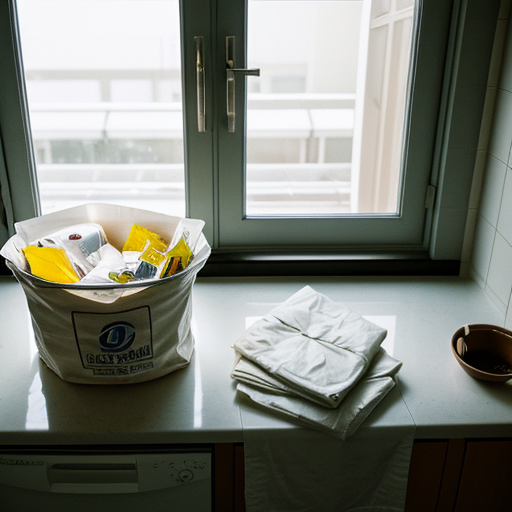
I learned this lesson the hard way during my second week in Mapo. I had ordered delivery food and piled the plastic containers into a standard plastic grocery bag, placing it outside my building. The next morning, I found my bag sitting on the curb with a bright red warning sticker from the district office. My building administrator, an elderly gentleman who spoke no English, had to explain through expressive gestures that I was doing everything wrong.
I spent that weekend researching the exact rules, and it was a massive trial-and-error process. Food waste must be separated entirely from general waste, meaning things like chicken bones or eggshells go into general trash because animals cannot digest them. Recyclables must be washed thoroughly and sorted by material type. To help you avoid the same mistakes, here is a simplified breakdown of the system:
| Waste Category | Required Bag / Container | Key Rule to Remember |
|---|---|---|
| General Waste (Iban Sregi) | District-specific plastic bag (usually white or yellow) | Must be bought at local convenience stores or supermarkets. |
| Food Waste (Eumsikmul) | Dedicated yellow/orange food waste bag or smart bin system | No hard bones, seeds, shells, or tea bags allowed inside. |
| Recyclables | Clear bags or designated neighborhood bins | Labels must be peeled off plastic bottles before discarding. |

What is the actual cost of living in Seoul compared to expat salaries?
While public transportation and health insurance are remarkably affordable, the high cost of rental deposits and fresh groceries can quickly strain an average expat salary. Surviving financially in Seoul requires careful budgeting and understanding local housing systems.
When I signed my first lease, I was shocked by the "wolse" monthly rent system, which requires a massive security deposit (bojeunggeum) often ranging from 5 million to 20 million KRW for a simple one-room apartment. This was a massive hurdle compared to the simple first-and-last-month rent system I was used to back home. I had to empty a significant portion of my savings just to secure a roof over my head.
On the positive side, daily maintenance costs are very manageable if you adapt to local habits. My monthly public transit fare rarely exceeds 60,000 KRW, and a visit to a local clinic for a cold costs less than 10,000 KRW including prescription medication. However, grocery shopping can be a trap. If you insist on buying imported cheese, grapes, or avocados, your bill will skyrocket. I learned to buy seasonal Korean vegetables like radish, cabbage, and sprouts at local traditional markets instead of shopping at massive premium department stores.
How do foreigners deal with the intense work culture and hierarchy?
Navigating the hierarchical work environment requires a balance of professional boundaries and participation in corporate bonding events like "hoesik" (after-work dinners). While modern companies are shifting, traditional expectations of working long hours and respecting age seniority remain strong.
In my office, the hierarchy was felt immediately. In meetings, younger employees rarely spoke up or contradicted their managers. Initially, I tried to offer constructive criticism during a team discussion, only to notice a heavy silence fill the room. My teammate later pulled me aside and gently explained that public disagreement is often viewed as a challenge to authority rather than a helpful suggestion.
I also had to adapt to "hoesik." In my first year, these dinners felt like an extension of the workday, filled with unspoken pressure to drink alcohol. Over time, I learned that setting polite but firm boundaries early on is acceptable. I started mentioning that I do not drink heavily for health reasons right at the beginning of dinners, and instead focused on pouring drinks for others and engaging in friendly conversation. This showed respect for the bonding ritual without sacrificing my personal well-being.
Is the language barrier in Korea manageable without fluent Korean?
You can easily survive daily life using local translation and navigation apps, but handling administrative, financial, or medical tasks requires at least basic Korean or a helpful local contact. Relying solely on English will limit your independence and lead to frequent frustration.
When I first arrived, I relied heavily on global apps, only to find that Google Maps is practically useless for walking directions in Seoul because of local security laws. I had to quickly download Naver Map and KakaoMap, which took me a week to master. Similarly, Google Translate often missed the polite honorifics essential for respectful communication, so I switched entirely to Papago.
However, apps cannot save you when your internet router breaks down or when you need to negotiate a bank transfer limit. I remember spending two stressful hours at a bank branch in Yeouido, trying to explain that I needed to send rent money to my landlord. Since that day, I made it a rule to study Korean for thirty minutes every single morning. Learning how to read Hangeul and memorizing key phrases for housing, shopping, and emergencies completely changed my confidence levels.
Does the famous safety in Korea compensate for the emotional isolation?
The exceptional level of physical safety in Korea is liberating, but it does not automatically protect you from the deep emotional loneliness that often accompanies living in a highly homogenous society. Balancing these two realities is the ultimate challenge of long-term expat life.
There is an incredible peace of mind that comes with living here. I can leave my laptop and wallet on a cafe table to go to the restroom without a single worry. I have walked home alone through quiet alleys at two in the morning and felt completely secure. This level of safety is something I deeply cherish and do not take for granted.
Yet, physical safety is different from emotional comfort. As a foreigner, you will occasionally experience subtle exclusion, whether it is being bypassed by taxi drivers, having locals avoid sitting next to you on a crowded subway, or navigating complex banking apps that do not accept foreign names. It is not necessarily malicious, but the constant feeling of being a permanent outsider can wear you down over time. Acknowledging this duality is key to surviving. By building a reliable support network of both expats and local friends, I found a way to feel safe, respected, and truly at home in this vibrant metropolis.
My Actionable Survival Steps for New Expats
If you are planning to make the move to South Korea, here are the exact steps I recommend taking during your first month to ensure a smooth transition:
- Ditch Google Maps immediately: Download Naver Map for navigation, KakaoT for taxis, and Papago for highly accurate Korean-English translations.
- Master Hangeul before you land: You can learn the Korean alphabet in a single weekend. Being able to read signs and labels will reduce your daily anxiety by half.
- Secure your housing funds early: Save double what you expect for the "bojeunggeum" (rental deposit) to ensure you have access to decent housing options.
- Find your niche community: Do not just search for general expat meetups. Look for structured hobby groups on platforms like Instagram or local community boards to build real connections.
Living in Korea is not a perfect K-drama fantasy, nor is it an impenetrable bureaucratic nightmare. It is a highly modern, efficient, and culturally rich country that demands adaptation, patience, and a willingness to learn. By setting realistic expectations and embracing the local customs with an open mind, you can turn the initial challenges into some of the most rewarding years of your life.
Disclaimer: Visa regulations, banking compliance standards, and local housing policies in South Korea change frequently. It is highly recommended to verify current requirements with official government portals or professional relocation experts before making significant financial or personal commitments.