What are the absolute best places to visit in Busan for an authentic coastal experience?
Stepping off the KTX train at Busan Station, the air immediately feels different from Seoul. It is heavier, saltier, and infused with the energetic pulse of a city defined by its dramatic mountain-meets-ocean landscape. While South Korea's capital dazzles with its sleek skyscrapers and royal palaces, Busan captures the soul with its raw, coastal beauty, steep hillside neighborhoods, and some of the freshest seafood in East Asia. Planning a trip to this seaside metropolis can feel overwhelming because the city stretches along a vast coastline, with major attractions separated by steep ridges and sprawling bays.
According to travel data from the Korea Tourism Organization, over sixty percent of international visitors to Busan cite the unique combination of urban convenience and natural coastal scenery as their primary reason for visiting.
Navigating this geographic layout requires a strategic approach. Grouping destinations by proximity is the only way to avoid spending half the day stuck in traffic or deep underground on the subway system. This guide shares an intimate look at the absolute best places to visit in Busan, combining personal footprints, practical transit routes, and authentic food recommendations to ensure an unforgettable coastal journey.
Which Busan beaches offer the best views and local atmosphere?
Gwangalli Beach stands out as the ultimate coastal destination in Busan, offering a spectacular night view of the illuminated Gwangan Bridge, a vibrant local café culture, and a relaxed atmosphere that contrasts with the commercialized high-rises of neighboring Haeundae Beach. While Haeundae attracts massive crowds and luxury hotel seekers, Gwangalli remains the favorite for locals who gather on the sand to watch street musicians, sip craft beer, and enjoy the evening sea breeze.
The shimmering lights of Gwangalli Beach
Standing on the fine sand of Gwangalli at dusk is a sensory experience that defines Busan. The Gwangan Bridge, or Diamond Bridge, stretches across the horizon, suspended over the dark waters of the bay. At exactly 8:00 PM, the bridge erupts into a choreographed light show, casting vibrant reflections of purple, blue, and gold across the gentle waves. Unlike Haeundae, which is backed by imposing luxury hotels, Gwangalli is lined with low-rise, floor-to-ceiling glass cafés and local raw fish restaurants known as hoe-tawns.
For a spectacular view, skip the crowded ground-level bars and climb to the third or fourth floor of any building along the Gwanganhaebyeon-ro strip. Sipping a cold beverage while watching the gentle crescent of the beach meet the illuminated bridge offers a moment of pure serenity. On Saturday nights, the sky above Gwangalli transforms during the weekly drone light show, where hundreds of synchronized drones create giant, glowing shapes over the ocean.
Haeundae Beach and the coastal walk to Cheongsapo
Haeundae Beach is the most famous stretch of sand in Korea, and it deserves a visit, though perhaps not for the reasons most tourists think. The wide, yellow-sand beach is impressive, but the real magic lies at its eastern end. Starting from Mipo, the very edge of Haeundae, the Haeundae Blueline Park offers a beautifully restored coastal railway trail. You can ride the colorful, slow-moving Sky Capsules suspended high above the rocky coast, or walk the parallel Green Railway wooden boardwalk for free.
Walking this trail leads to Cheongsapo, a sleepy fishing port famous for its twin lighthouses (one red, one white) and rustic seafood tents. Here, you can sit on plastic stools and grill fresh clams over charcoal fire pits while listening to the waves crash directly beneath the wooden floorboards. The contrast between Haeundae's glittering skyscrapers and Cheongsapo's rustic, wind-swept harbor is a stark reminder of Busan's dual identity.
Where can you experience Busan's traditional culture and historic charm?
Gamcheon Culture Village and Haedong Yonggungsa Temple provide the most striking cultural experiences in Busan, showcasing the dramatic transition from a Korean War refugee hillside settlement to a vibrant art community, and a rare, sea-facing Buddhist sanctuary that dates back centuries. These locations capture the spiritual and historical resilience of the local people in environments of breathtaking visual beauty.
The colorful alleys of Gamcheon Culture Village
Gamcheon Culture Village is often called the Machu Picchu of Busan, but its origins are rooted in a darker chapter of Korean history. During the Korean War in the 1950s, thousands of refugees fled south to Busan, the temporary wartime capital. With nowhere else to go, they built precarious, terraced homes on the steep slopes of Mount Cheonmasan. In the late 2000s, local artists and residents banded together to paint the concrete houses in pastel shades, install whimsical sculptures, and turn the labyrinthine alleys into a public art gallery.
Walking through Gamcheon is an exercise in navigation and leg strength. The main street is lined with souvenir shops and selfie spots, including the famous statue of the Little Prince looking out over the harbor. However, the true essence of Gamcheon is found by wandering down the narrow, vertical staircases that plunge between the houses. Here, you can still see elderly residents carrying groceries up the stairs, quiet communal gardens planted in styrofoam boxes, and old communal wells. It is a living, breathing neighborhood, so keeping voices low and respecting resident privacy is essential.
Haedong Yonggungsa: The temple by the sea
Most Buddhist temples in South Korea are nestled deep within quiet, forested mountains. Haedong Yonggungsa Temple defiantly breaks this mold by clinging directly to the jagged black rocks of the northeastern coast. Established in 1376 during the Goryeo Dynasty, this sacred site offers a profound spiritual connection to the ocean. To reach the main temple grounds, visitors must descend 108 stone steps, symbolizing the 108 earthly desires in Buddhist philosophy.
As you emerge from the bamboo-lined stone staircase, the view opens up to reveal ornate golden pagodas, stone bridges, and main halls perched right above the churning sea. The sound of chanting monks mingles with the crash of saltwater against the cliffs, creating a deeply meditative atmosphere. To experience the temple at its most peaceful, take a taxi from Haeundae Station around 7:30 AM. Arriving early allows you to witness the morning sun rising directly from the ocean horizon, illuminating the stone statues in a warm, golden glow before the tour buses arrive.
How do you find the most authentic local food markets in Busan?
Jagalchi Fish Market and the adjacent Gukje Market offer the ultimate sensory journey into Busan's culinary heritage, where you can sample fresh sashimi sliced straight from raw water tanks and taste historical street food born from wartime scarcity. These bustling markets are located in the historic Nampo-dong district, easily accessible via Subway Line 1.
The lively stalls of Jagalchi Fish Market
Jagalchi is the largest seafood market in Korea, run largely by resilient, hard-working women known as Jagalchi Ajumma. The ground floor of the massive, seagull-shaped main building is a wet market filled with hundreds of glass tanks holding creatures you might not even recognize: giant octopuses, sea squirts, king crabs, and shimmering flatfish. The air is cold, wet, and thick with the scent of the sea.
The system here is simple but thrilling. You select your seafood from a vendor on the first floor, negotiate a price, and are immediately escorted to a dining hall on the second floor. Within minutes, your selection is prepared raw, steamed, or grilled, accompanied by an array of spicy side dishes and dipping sauces. A plate of fresh flounder sashimi, or hoe, typically costs around 30,000 to 40,000 KRW, providing a feast that would cost double in any high-end restaurant.
Gukje Market and the taste of Busan comfort food
Just across the main road from Jagalchi lies Gukje Market, a vast maze of alleys selling everything from vintage clothing to kitchen supplies. Gukje was born as a black market during the Korean War, where refugees traded goods smuggled from the nearby international port. Today, it is a paradise for street food lovers, particularly along the narrow alleyways of BIFF Square.
Two dishes are absolute non-negotiables when visiting this area:
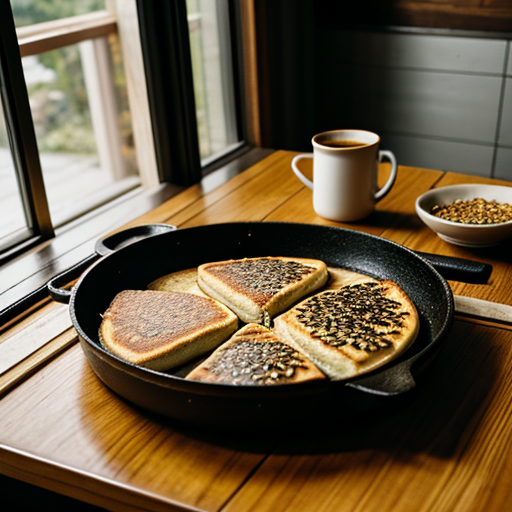
- Ssiat Hotteok: Unlike the standard Korean sweet pancake filled with melted brown sugar, Busan's version is fried in butter until crispy, sliced open, and stuffed to the brim with sunflower, pumpkin, and sesame seeds. The combination of sweet, salty, and crunchy is addictive.
- Dwaeji Gukbap: A rich, milky pork bone broth served boiling hot with tender slices of pork belly and rice. This hearty soup was invented by refugees who used discarded pork bones from US military bases. Season it with salted shrimp, chives, and spicy red pepper paste to taste the true comfort food of Busan.
What are the hidden coastal walking paths in Busan away from crowds?
The Igidae Coastal Trail and the Oryukdo Skywalk offer Busan's most spectacular, uncrowded hiking experiences, featuring dramatic suspension bridges, sheer volcanic cliffs, and views of the sea that stretch all the way to Japan on clear days. This trail provides an escape from the concrete city, letting you walk directly along the edge of the wild ocean.
Trekking the Igidae Coastal Trail
While most tourists flock to Haeundae or Gamcheon, local hikers head to Igidae. This 4.7-kilometer trail winds along the rugged cliffs of Mount Jangsan, connecting Dongsaengmal to Oryukdo. The path is a mix of wooden boardwalks, dirt paths, and thrilling suspension bridges that hang over deep rocky crevices where the waves churn violently below. The trek takes about two to three hours and requires sturdy walking shoes.
What makes Igidae truly special is the perspective it offers. As you walk south, you are treated to a panoramic view of the Haeundae skyline, Marine City, and Gwangan Bridge across the bay. It is a striking juxtaposition of wild, untouched nature in the foreground and one of Asia's most futuristic skylines rising in the background. Along the trail, you will also pass historical sites, including old military guard posts from the era of coastal defense and unique rock formations shaped by ancient volcanic activity.
Looking down from the Oryukdo Skywalk
The Igidae trail culminates at the Oryukdo Skywalk, a U-shaped glass bridge that projects 15 meters over a 35-meter coastal cliff. The name Oryukdo refers to a group of rocky islands nearby that appear to be five or six islands depending on the day's tide. To walk on the skywalk, you must slip blue fabric covers over your shoes to protect the glass from scratches.
Stepping onto the transparent floor is a dizzying experience. Beneath your feet, the emerald waves of the East Sea crash against the base of the cliff, sending white foam spraying into the air. The skywalk is completely free to enter and operates from 9:00 AM to 6:00 PM. Directly next to the skywalk, a steep wooden staircase leads down to a small rocky beach where local female divers, known as Haenyeo, sell freshly harvested sea squirts and sea urchins, which they slice and serve on simple plastic plates right by the water.

How should you plan a 3-day itinerary to see the best of Busan?
A highly efficient 3-day Busan itinerary splits the city into three distinct geographical zones: the Historic West on day one, the Scenic East Coast on day two, and the Central Coast & Nature on day three. This structure minimizes travel times and maximizes your time spent exploring the unique neighborhoods of this linear city.
Day 1: The Historic West (Gamcheon & Nampo-dong)
Begin your morning early at Gamcheon Culture Village before the midday heat and tourist crowds arrive. Take Subway Line 1 to Toseong Station, then hop on the local green minibus (Saha 1-1 or Seo-gu 2) up the steep hill. Spend two hours exploring the colorful alleys, art installations, and local workshops.
By lunchtime, take the bus back down and head to the Nampo-dong district. Cross the street to Jagalchi Fish Market for a fresh seafood lunch on the second floor. Afterward, walk through the bustling alleyways of Gukje Market and BIFF Square to try sweet seed hotteok. End your afternoon by taking the escalator up to Yongdusan Park to see Busan Tower, or enjoy a sunset coffee at a rooftop café in the nearby historic port area of Yeongdo.
Day 2: The Scenic East Coast (Haeundae & Haedong Yonggungsa)
Start your second day by taking a taxi to Haedong Yonggungsa Temple to beat the crowds. Spend an hour soaking in the spiritual ocean views before taking a bus or taxi back toward Haeundae. Head to the Mipo station of the Haeundae Blueline Park and ride the cute Sky Capsule to Cheongsapo. Have a lunch of grilled clams or fresh sea urchin noodles by the twin lighthouses.
In the afternoon, walk along the Green Railway forest boardwalk back to Haeundae Beach. Spend the late afternoon relaxing on the sand or visiting the bustling Haeundae Traditional Market. As night falls, make your way to Gwangalli Beach. Secure a window seat at a seaside pub or café, enjoy a cold craft beer, and watch the Gwangan Bridge light up against the dark evening sky.
Day 3: Central Coast & Nature (Igidae & Oryukdo)
On your final day, pack some water and snacks and head to the starting point of the Igidae Coastal Trail at Dongsaengmal. Hike the scenic cliffside path for about two and a half hours, enjoying the ocean breeze and the distant views of Haeundae. The trail ends at the Oryukdo Skywalk, where you can test your courage on the glass bridge and grab a fresh sea urchin snack from the Haenyeo divers on the rocks below.
For your final evening, head to Seomyeon, Busan's bustling central downtown area. Unlike the coastal neighborhoods, Seomyeon is filled with trendy fashion boutiques, neon-lit avenues, and local street food tents called Pojangmacha. Sip on local Soju and enjoy grilled meats under the orange tarps, reflecting on three days of incredible adventures in Korea's dynamic maritime capital.