How to navigate South Korea without speaking Korean
How to navigate South Korea without speaking Korean
What transit tools make South Korea travel manageable for non-speakers?
Non-Korean speakers can master public transit using the Naver Map application paired with a physical T-money transit card. These tools provide real-time bus arrivals, English subway transfer routes, and cab-hailing functions. Standard international mapping services fail to show accurate walking routes due to national security regulations.
According to data from the Seoul Metropolitan Government, over eighty percent of foreign transit users choose the unified T-money card system for day-to-day travel.
I arrived at Incheon Airport on a cold Tuesday morning. The terminal was crowded. I walked straight to the nearest convenience store to buy a T-money card. The card cost 4,000 Korean Won. I had to use cash to load the balance at an automated machine. The machine accepted paper bills and offered instructions in English.
Google Maps showed transit paths but lacked precise walking directions inside subway stations. Naver Map resolved this issue. The application showed the exact subway car doors to stand near for fast transfers. This saved minutes of walking time during rush hour in Seoul.
I noted that transit cards require cash top-ups at machines inside the stations. Credit cards do not work for this transaction. I recommend keeping twenty thousand Won in paper bills for this purpose. This is a strict rule that travelers must plan for before leaving the airport.
- Naver Map: This program provides precise walking paths and bus arrival estimates.
- T-money Card: This physical card pays for subways and local bus rides.
How does the payment system work for international credit cards?
Most merchants accept international credit cards like Visa and Mastercard, but local markets and street food stalls require cash. Carrying a physical Wowpass card or local currency prevents payment failures at automated kiosks. Some retail machines reject foreign-issued plastic chips.
The Bank of Korea reports that credit card usage represents ninety-three percent of all retail transactions nationwide.
I tried to buy a warm bowl of hand-cut noodles at Gwangjang Market. The merchant pointed to a small wooden sign requesting cash or local bank transfers. I paid with a ten-thousand Won note. Many small food vendors in these historic markets operate on a cash basis.
Self-service kiosks inside popular cafes present another obstacle. Foreign credit cards often trigger error messages on these screens. I obtained a Wowpass card from a machine at Hongik University Station. This card functions as a local debit card and transit card.
I inserted my home country debit card into the Wowpass machine. The machine exchanged my currency and issued a local card. This card worked at every automated kiosk during my stay. It also doubled as a transit card, which simplified my pocket space.
- Wowpass Card: Foreign travelers load local currency onto this card using home country bills.
- Cash Reserve: Paper bills remain necessary for street food vendors and transit card machines.
Which neighborhoods offer the most authentic lodging experience outside standard hotels?
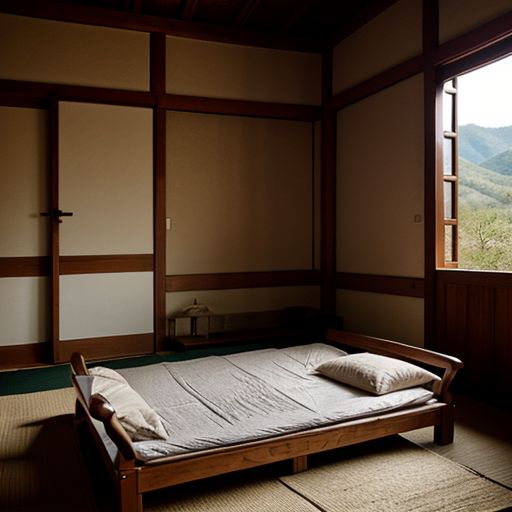
Staying in a traditional Hanok guesthouse in Bukchon Hanok Village or the historic alleys of Jeonju offers deep cultural immersion. These wooden homes feature floor-heating systems and futon bedding. Travelers experience traditional architectural design while remaining close to modern city centers.
Data from the Ministry of Culture shows a forty percent increase in international bookings for heritage stays over a two-year period.
I spent three nights in a Hanok guesthouse in Bukchon. The sliding doors used mulberry paper instead of glass. The room utilized an ondol floor-heating system. Heat radiates from the floor to warm the space.
Sleeping on a thin cotton mattress on the floor felt firm. My back felt stiff the next morning. People with joint pain should choose a Hanok that offers raised western beds. These accommodations exist in historical districts.
I enjoyed the quiet courtyard in the morning. The wooden structure kept the room cool during the day and warm at night. This lodging style suits travelers seeking historic charm. It is a unique experience that hotel rooms cannot match.
- Bukchon Village: This area places travelers close to palaces and modern cafes.
- Jeonju Hanok District: This southern city offers traditional food experiences alongside historic homes.
What dining etiquette rules prevent misunderstandings at local Korean restaurants?
Korean dining centers on shared plates and communal side dishes called banchan. Table setups feature metal chopsticks and spoons stored in a side drawer under the tabletop. Leaving chopsticks sticking upright in rice bowls mimics funeral rituals and must be avoided.
The Korea Food Promotion Institute states that communal dining style accounts for the vast majority of local restaurant layouts.
I sat down at a busy barbecue joint in Mapo. The table looked bare. I searched for utensils before noticing a small metal handle under the wooden tabletop. Pulling the drawer revealed rows of sterilized spoons and metal chopsticks.
I made the mistake of leaving my chopsticks upright in my rice bowl. The restaurant owner rushed over to correct me. She explained that this action represents ancestral memorial services. I now place utensils on the small paper wrapper or on the side plate.
I learned to use the call button on the table. Staff members do not check on tables unless summoned. Pressing the button brings a server to the table within seconds. This system keeps the dining room efficient and quiet.
- Table Drawer: This hidden compartment holds chopsticks and spoons.
- Call Button: This small buzzer sits on the table edge to summon waitstaff.
How do travelers access high-speed internet throughout the country?
Renting a portable Wi-Fi router or purchasing an eSIM at Incheon Airport ensures continuous data access. Portable routers support multiple device connections, while eSIMs eliminate the risk of losing a physical card. Reliable internet is mandatory to run navigation and translation software.
The Ministry of Science and ICT recorded average mobile download speeds exceeding one hundred megabits per second nationwide.
I picked up an eSIM at the airport arrival gate. The technician assisted with the activation process. My phone connected to the local network in minutes. I had stable internet access inside mountain temples and deep subway tunnels.
Pocket Wi-Fi devices serve as an alternative. These small routers require daily charging. If the battery dies, navigation tools become inaccessible. I prefer the eSIM for convenience and weight reduction.
I paid thirty dollars for a ten-day unlimited data plan. The speed allowed me to stream video maps without lag. This utility is vital for translation apps. I consider it the single most important tool for survival.
- eSIM Cards: These digital profiles install on compatible phones without physical card swaps.
- Pocket Wi-Fi: These portable hotspots provide internet connection to multiple laptops and tablets.
How can tourists access emergency medical assistance during their stay?
Foreign visitors can contact the emergency services line or dial the tourist helpline for bilingual medical support. Pharmacies sit on almost every street corner and display a red sign. Standard convenience stores stock basic medicines like painkillers and cold remedies.
According to the National Fire Agency, bilingual dispatchers handle emergency calls within thirty seconds of contact.
I developed a sudden fever on a Sunday afternoon in Busan. Most clinics were closed. I walked into a local convenience store and found basic acetaminophen on the shelf. The package had English ingredient labels.
Severe cases require a visit to an international clinic. Major university hospitals in Seoul operate dedicated international clinics. These clinics employ English-speaking doctors and accept travel insurance.
I contacted the tourist helpline at 1330 for advice. The operator provided names of open pharmacies nearby. This service operates twenty-four hours a day. It is a vital support system for solo travelers.
- Local Pharmacies: These shops sell targeted medicine and operate during standard business hours.
- Emergency Number: Dialing 119 connects callers to medical dispatchers with translation services.
What safety measures protect solo travelers exploring major cities?
Low crime rates make South Korea safe for solo travelers at any hour. Well-lit streets, active CCTV networks, and public safety boxes secure urban zones. Standard safety habits remain necessary to prevent petty theft in crowded nightlife districts.
The Korean National Police Agency reports crime rates among the lowest of all major industrialized nations.
I walked back to my hostel in Hongdae at two in the morning. The streets remained bright and active. CCTV cameras hung on utility poles at every intersection. I felt secure throughout my month of solo exploration.
Some nightlife areas present minor risks. Crowded clubs sometimes attract pickpockets. I kept my wallet in my front pocket and stayed aware of my surroundings.
I registered my travel plans with my local embassy before departure. This step provides an extra layer of security. I also kept offline maps downloaded on my phone in case of network drops.
- CCTV Coverage: Public cameras monitor urban streets to deter criminal activity.
- Safety Box: Yellow emergency booths offer direct communication lines to local police stations.
Which lesser-known cities reward travelers looking to escape crowds?
Coastal cities like Tongyeong or mountain retreats like Gyeongju offer deep cultural experiences without crowd congestion. Tongyeong provides scenic island views and fresh seafood markets. Gyeongju acts as an open-air museum filled with ancient royal tombs and stone temples.
The Gyeongju City Government records show that off-peak travel preserves the serene atmosphere of UNESCO heritage sites.
I took a bus to Tongyeong on a Thursday. The harbor was calm. I boarded a small ferry to Mireuk island. The local market sold sea squirts and fresh oysters at low prices.
Gyeongju offered a different vibe. I rented a bicycle to ride past giant grass mounds. These mounds hold the remains of ancient Silla kings. The quiet paths contrasted with the busy streets of Seoul.
I visited the Bulguksa Temple at sunrise. The stone courtyards were empty. This timing allowed me to appreciate the architectural symmetry in silence. It was a highlight of my trip.
- Tongyeong Harbor: This southern port provides access to quiet islands and fresh seafood.
- Gyeongju Tombs: This valley contains ancient royal burial sites and stone pagodas.
Where should shoppers buy authentic local crafts instead of mass-produced items?
Traditional markets in Insadong and artisan workshops in Gwangju offer genuine Korean handicrafts. Insadong shops sell handmade mulberry paper products and ceramic tea sets. Gwangju workshops produce high-quality lacquerware and brass eating utensils.
The Korea National Heritage Administration confirms that local artisan guilds maintain historical production standards for traditional crafts.
I searched for gifts in Insadong. Many shops sold cheap plastic items made abroad. I found a small alley containing a paper merchant. The shop owner showed me handmade hanji paper sheets.
Artisan crafts cost more than market goods. A genuine ceramic tea pot can cost over one hundred thousand Won. The quality of these items exceeds mass-produced plastic souvenirs.
I bought two ceramic cups from a local potter. The glazing showed minor imperfections that made each piece unique. I packed them in my carry-on bag to prevent damage during the flight.
- Insadong Alleys: This district contains paper shops and tea houses.
- Artisan Workshops: Local studios sell handmade lacquerware and brass utensils.