Top 10 Must-Try Korean Foods: An Expert Guide to Authentic Flavors
The Essence of Korean Cuisine: Beyond Just Spice
Korean cuisine is defined by its deep fermentation techniques, balanced nutritional profiles, and the concept of banchan (side dishes) that turn every meal into a feast. For those wondering where to start, the sheer variety can be overwhelming. As someone who has spent years exploring the back alleys of Seoul—from the traditional markets of Gwangjang to the sleek restaurants of Gangnam—I’ve curated this list to capture the soul of the Korean table. You aren't just eating; you are experiencing a 2,000-year-old culinary tradition that prioritizes health, seasonality, and communal joy.
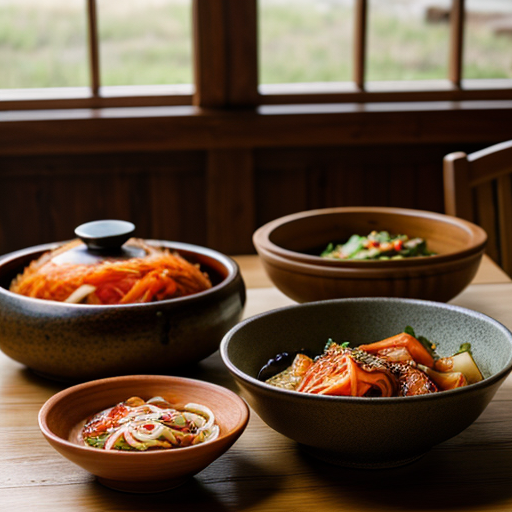
1. Kimchi: The Fermented Backbone
It is impossible to discuss Korean food without Kimchi. More than just a side dish, it is a cultural identity. Most commonly made with napa cabbage, radish, or cucumber, it is seasoned with chili powder, garlic, ginger, and salted seafood. The fermentation process creates probiotics that are excellent for gut health, a fact backed by extensive studies in the Korean Journal of Food Science. When you visit a local restaurant, notice how Kimchi is never absent; it is the refreshing, tangy anchor to every meal. If you are a beginner, look for 'baechu-kimchi' (cabbage kimchi) that has been aged for a few weeks—the acidity is perfectly balanced.
2. Bulgogi: The Harmony of Savory and Sweet
Bulgogi, literally meaning 'fire meat,' consists of thinly sliced beef marinated in a mixture of soy sauce, sugar, sesame oil, garlic, and grated pear. The pear is the secret ingredient; it acts as a natural meat tenderizer. In my experience, the best Bulgogi is grilled over charcoal, which imparts a subtle smokiness that balances the sweetness of the marinade. It is commonly wrapped in fresh lettuce leaves with a dab of ssamjang (thick spicy paste) and a clove of raw garlic for a perfect bite.
3. Bibimbap: A Masterclass in Texture
Bibimbap is a vibrant bowl of warm white rice topped with sautéed vegetables, meat, an egg, and a dollop of gochujang (red chili paste). The name translates to 'mixed rice.' The beauty of this dish lies in the mix of textures: crunchy bean sprouts, tender mushrooms, and the silky yolk of the egg. When dining at a traditional eatery in Jeonju—the birthplace of the dish—I learned that you should always mix it vigorously with a spoon to ensure every grain of rice is coated in the spicy paste.
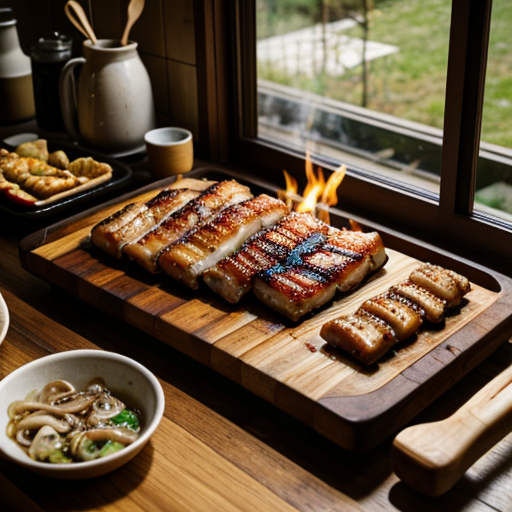
4. Samgyeopsal: The Social Ritual of BBQ
Samgyeopsal refers to pork belly. Unlike other BBQ traditions, the meat is left unmarinated. You grill it yourself at the table and cut it into bite-sized pieces with shears. It is heavily associated with social gatherings and is often paired with a glass of soju. The experience is tactile and communal. You take a piece of grilled pork, dip it in sesame oil with salt, place it on a perilla leaf, add a slice of grilled garlic, and consume the whole package in one go. It’s an exercise in social bonding as much as it is a meal.
5. Japchae: The Sweet Potato Noodle Delight
While often served as a side, Japchae is a star in its own right. Made from sweet potato starch noodles (dangmyeon), it is stir-fried with thinly sliced carrots, spinach, onions, mushrooms, and beef. The noodles have a distinctive 'chewy' texture that is highly prized in Korean culinary culture. It provides a sweet, savory, and nutty flavor profile that appeals to almost every palate, making it a staple at weddings and birthdays.
6. Tteokbokki: The Ultimate Street Food
You cannot walk through a Korean market without seeing Tteokbokki. These chewy, cylindrical rice cakes are simmered in a thick, spicy, and sweet sauce. It is the quintessential 'comfort food.' Many vendors add fish cakes or boiled eggs to the mix. The heat level can vary significantly, but don't be intimidated—the sweetness of the sauce usually rounds out the intensity of the gochujang.
7. Samgyetang: Healing in a Bowl
Samgyetang is a traditional ginseng chicken soup. A small whole chicken is stuffed with glutinous rice, jujube, garlic, and ginseng. It is typically eaten during the hottest days of summer, based on the Korean philosophy that 'fighting fire with fire' restores energy lost to heat exhaustion. The broth is remarkably clean and aromatic, and the meat falls off the bone, offering a profound sense of nourishment.
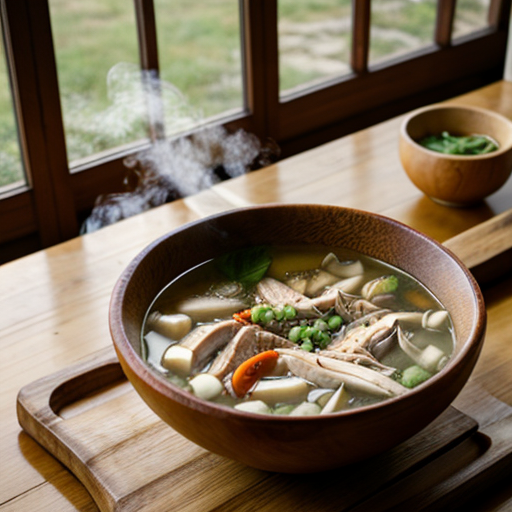
8. Haemul Pajeon: The Savory Pancake
Haemul Pajeon is a green onion pancake loaded with seafood like squid, shrimp, and clams. It is pan-fried until the edges are crispy while the center remains tender. It is best enjoyed on a rainy day, traditionally paired with makgeolli (rice wine). The contrast between the crunchy batter and the soft scallions is addictive.
9. Sundubu-jjigae: Silky Spicy Tofu Stew
This dish features soft, uncurdled tofu in a spicy, bubbling broth. Usually made with a base of seafood or meat, a raw egg is cracked into the boiling stew right before serving. The heat of the broth cooks the egg into a silky swirl, adding richness. It is a hearty, humble dish that defines the 'jjigae' (stew) culture of Korea, providing comfort on cold winter evenings.
10. Gimbap: The Versatile Portable Meal
Often mistaken for sushi, Gimbap is distinct. The rice is seasoned with sesame oil rather than vinegar, and the fillings—typically pickled radish, spinach, carrots, ham, and egg—are fully cooked. It is the perfect travel food. Whether you are hiking a mountain or taking the KTX train, a roll of Gimbap is the most reliable, delicious fuel you can find.
Exploring these dishes is just the beginning. Korean food is a living, breathing entity that changes with the seasons and the chef's touch. Don't be afraid to try the side dishes or mix your own sauces—part of the fun is making the meal your own. Which one are you adding to your bucket list first?