Seoul vs Busan: Which Korean City Should You Visit?
Planning a trip to South Korea but torn between the sparkling skyscrapers of the capital and the breezy, oceanfront charm of the southern coast? Choose Seoul if you crave 24/7 energy, deep historical palaces, and world-class shopping, but pick Busan if you prefer relaxed beach days, fresh seafood, and a laid-back coastal vibe. Finding the perfect balance between these two giants depends entirely on your travel style, budget, and how much time you have to explore.
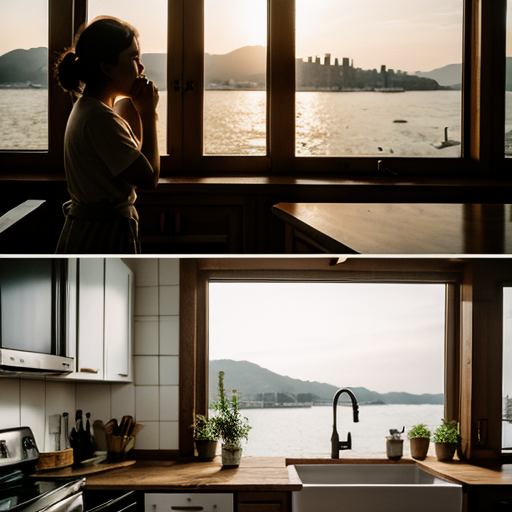
Should you choose Seoul or Busan for your first trip to South Korea?
If you only have a week and have never been to South Korea, Seoul is the ideal choice due to its highly concentrated cultural landmarks, incredibly efficient English-friendly transit, and direct international flight access. However, if you can stretch your itinerary to ten days, combining both cities via high-speed rail gives you the absolute best of both worlds.
Having spent three weeks traversing both cities in late October 2024, I experienced firsthand how vastly different their daily rhythms are. Seoul is a dizzying, fast-paced mega-city where historical hanok villages sit in the shadow of gleaming corporate headquarters. Everything in Seoul moves at lightning speed, driven by the famous Korean concept of pali-pali (hurry-hurry). It is exciting, highly modern, and overwhelmingly convenient for English-speaking travelers who rely on digital navigation and automated systems.
Busan, on the other hand, moves to the gentle rhythm of the ocean waves. The moment you step off the train at Busan Station, the air smells of salt and drying fish. The local dialect (Satoori) is rougher, warmer, and full of musical intonation. While Seoul can sometimes feel clinical and hyper-polished, Busan feels wonderfully rugged and unpretentious. If you prefer long coastal walks, friendly locals striking up conversations in broken English, and a slower, more deliberate travel tempo, Busan is bound to steal your heart.
Which city is cheaper to travel to, Seoul or Busan?
Busan is generally 15% to 20% cheaper than Seoul, particularly when it comes to mid-range accommodation, local dining, and daily entertainment. While public transit costs are virtually identical, Seoul’s premium shopping districts and trendy aesthetic cafes can drain your travel wallet far more quickly.
According to the 2024 South Korea Tourism Expenditure Index, the average daily spend for an independent foreign traveler in Seoul was approximately 135,000 KRW (about $102 USD), whereas in Busan, travelers spent an average of 112,000 KRW ($85 USD) per day, reflecting lower lodging and food costs in the south.
When booking accommodation in Seoul, popular tourist hubs like Myeongdong, Hongdae, or Hanok boutique stays in Bukchon often carry a premium. A clean, modern double room in a mid-range hotel in Seoul typically starts around $90 to $120 USD per night. In contrast, you can secure a stunning boutique hotel room overlooking Haeundae Beach or Gwangalli Beach in Busan for around $70 to $90 USD per night during the shoulder season.
But what about everyday expenses? Let's talk about food. A hearty bowl of Busan's signature pork soup, Dwaeji Gukbap, costs around 8,500 to 9,500 KRW ($6.50 to $7.20 USD) and will keep you full for hours. In Seoul, a basic lunch in trendy areas like Seongsu-dong or Gangnam easily starts at 14,000 KRW ($10.50 USD), excluding coffee. If you are traveling on a tight budget, Busan offers incredible value without forcing you to sacrifice beautiful ocean views or delicious, filling meals.

How do the food scenes differ between Seoul and Busan?
Seoul dominates the global culinary stage with its Michelin-starred fine dining, viral dessert cafes, and legendary street food markets like Gwangjang. Meanwhile, Busan offers a rustic, seafood-centric paradise characterized by lively coastal fish markets and robust, historical regional dishes that you cannot find anywhere else in the country.
If you consider yourself a foodie who loves taking photos of beautiful plates, Seoul is an absolute dream. Neighborhoods like Ikseon-dong and Seongsu-dong are packed with hyper-creative cafes serving salt bread, soufflé pancakes, and black sesame lattes. For a traditional feast, you can head to Tongin Market, where you exchange brass coins for local side dishes, or sit at a crowded stall in Gwangjang Market to feast on crispy nokdu bindeatteok (mung bean pancakes) and spicy tteokbokki.
But if your palate craves deep, savory flavors and ultra-fresh seafood, Busan wins hands down. You cannot visit Busan without eating at the famous Jagalchi Fish Market. I remember sitting on a plastic stool on the second floor of Jagalchi in May 2025, watching a vendor slice up a fresh sea bream I had hand-picked from the tanks downstairs just ten minutes prior. It does not get fresher than that.
Beyond raw fish, Busan’s food scene is deeply tied to its history as a refugee hub during the Korean War. Dishes like Milmyeon (chewy wheat noodles served in an icy, tangy broth) were created by refugees who used wheat flour provided by humanitarian aid instead of traditional buckwheat. Tasting these dishes is not just a culinary experience; it is an intimate lesson in Korean resilience.
Is Busan's beach vibe better than Seoul's urban nightscape?
Busan's beaches offer a spectacular natural escape integrated seamlessly into the city, making it unbeatable for daytime relaxation and coastal hiking. However, Seoul's urban nightscape—stretching from neon-lit university streets to quiet, beer-fueled evenings along the Han River—is unmatched in its sheer energy and variety.
Busan features several distinct beaches, each with its own unique personality. Haeundae Beach is glamorous, lined with luxury high-rises, upscale bars, and the famous Haeundae Blueline Park coastal train. Gwangalli Beach is more youthful and local, famous for its breathtaking view of the Gwangandaegyo Bridge (Diamond Bridge). If you happen to be there on a Saturday night, you can join thousands of locals sitting on the sand to watch the spectacular weekly Gwangalli Drone Show, where hundreds of synchronized drones create glowing 3D artwork in the night sky.
Seoul lacks ocean beaches, but it compensates with the mighty Han River. One of my favorite personal travel memories is renting a picnic mat at Yeouido Han River Park, ordering fried chicken via a local delivery app, and cooking instant ramyun at an automated foil-packet machine at the convenience store. As the sun sets, the city lights reflect on the dark water while thousands of locals chat, play music, and clink draft beer cups. It is a uniquely cozy, community-driven urban nightlife that feels completely different from a standard nightclub scene.
For those who want to dance or listen to live music until sunrise, Seoul’s Hongdae and Itaewon districts offer endless options. Seoul is truly a city that never sleeps; it is perfectly normal to head out for a third round of drinks and barbecue at 3:00 AM.
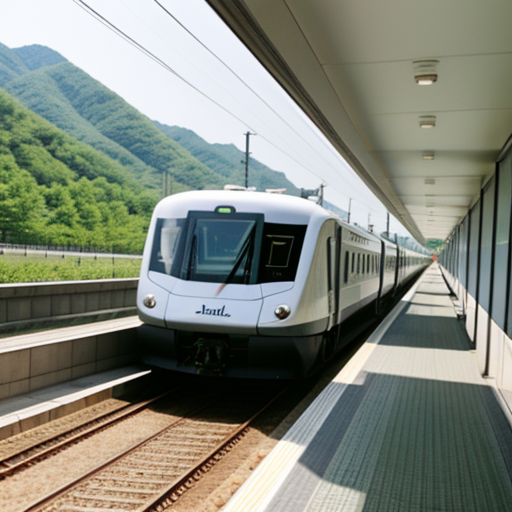
What is the fastest and best way to travel between Seoul and Busan?
The high-speed KTX train is the absolute best way to travel between Seoul and Busan, connecting the two city centers in just 2 hours and 15 minutes. While domestic flights are occasionally cheaper, the extra time spent traveling to outlying airports, checking bags, and passing through security makes flying far less efficient.
Booking your KTX tickets can be slightly confusing for first-timers, so here is a quick guide to make the process completely seamless:
- Book in advance: KTX tickets open exactly 30 days prior to departure. Weekend trains, especially Friday afternoons and Sunday evenings, sell out incredibly fast.
- Use the official app: Download the official "Korail Talk" app or use the official Let's Korail website. Avoid third-party booking sites that charge high convenience fees and do not let you select your seat.
- Choose your seat wisely: If you are traveling with heavy luggage, look for seats at the very end of the carriage. This allows you to easily keep an eye on the large luggage racks located near the doors.
- Cost: A one-way economy ticket from Seoul Station to Busan Station costs approximately 59,800 KRW (roughly $45 USD).
A very common mistake travelers make is taking the slower ITX-Saemaeul or Mugunghwa trains to save a few dollars. These older trains take over five hours to reach Busan. Unless you are intentionally looking for a slow, nostalgic journey through the rural countryside, always pay the small premium for the KTX. It is fast, silent, equipped with free Wi-Fi and power outlets, and exceptionally punctual.
Which city offers a better shopping and cultural experience?
Seoul is a global shopping capital offering everything from high-end luxury in Gangnam to indie designer labels in Seongsu-dong, alongside major historical palaces. Busan provides a more localized, quirky shopping experience combined with terraced hillside culture villages and the world's largest department store.
For traditional culture enthusiasts, Seoul is hard to beat. You can wander through the grand courtyards of Gyeongbokgung Palace, walk the winding alleys of Bukchon Hanok Village, and explore traditional tea houses in Insadong all in a single afternoon. If you rent a traditional Hanbok, you even get free entry into all of Seoul’s major royal palaces.
Shopping in Seoul is practically an Olympic sport. Myeongdong is the ultimate destination for skincare, where flagship stores offer tax refunds directly at the cash register. If you want to see what cool local youth are wearing, head to Seongsu-dong, an industrial-refurbished neighborhood packed with pop-up stores, local designer boutiques, and leather-craft shops.
Busan offers a totally different cultural flavor. Its most famous cultural attraction is the colorful Gamcheon Culture Village. Once a poor hillside enclave for refugees during the Korean War, it was transformed by local artists in 2009 into a vibrant, pastel-hued maze of art installations, cafes, and stunning viewpoints. It is incredibly photogenic, though visitors should always remain respectful as it is still a quiet residential neighborhood.
For shopping, Busan is home to Shinsegae Centum City, officially recognized by the Guinness World Records as the largest department store in the world. It is so massive that it contains a full-sized indoor ice skating rink, a giant multiplex cinema, and Spaland—an incredibly luxurious, multi-story traditional Korean bathhouse (jjimjilbang) that features dozens of themed steam rooms, hot springs, and relaxation zones. Spending a rainy afternoon at Spaland is easily one of the best wellness experiences you can have in South Korea.
If you are still struggling to make your final decision, take a moment to consider your travel tempo. Do you want to dive headfirst into a fast-paced, high-tech mega-city with endless street food, royal history, and cutting-edge fashion? Or do you want to slow down, feel the ocean breeze, hike along rugged cliffs, and feast on the freshest seafood in the country? If your schedule allows, the ultimate Korean itinerary spends four days exploring the historic neighborhoods of Seoul, followed by a scenic KTX ride south for three relaxing days on the beaches of Busan.
Which of these two coastal and urban vibes fits your personal travel style more? Let me know in the comments below, and feel free to ask any questions about planning your transit or booking your accommodation!