Seoul Travel Guide: How to Experience the Best of Korea's Capital Like a Local
How do you plan an unforgettable trip to Seoul without falling into tourist traps?
The secret to a perfect Seoul experience lies in balancing iconic landmarks with the quiet, winding alleys of Bukchon and the trendy nightlife of Seongsu-dong. To really get under the skin of the city, you need to step away from the crowded souvenir stalls and embrace the contrast of ancient palaces sitting against hyper-modern skyscrapers.
I remember my first visit—I spent too much time in Myeongdong and missed the soul of the city. Now, after countless trips, I’ve realized that the best of Seoul is found in the 'hidden' coffee shops in Euljiro and the quiet mornings at Gyeongbokgung Palace right when the gates open. It’s not just about what you see, but how you navigate the rhythm of the city.
What are the essential spots that every first-time visitor to Seoul must prioritize?
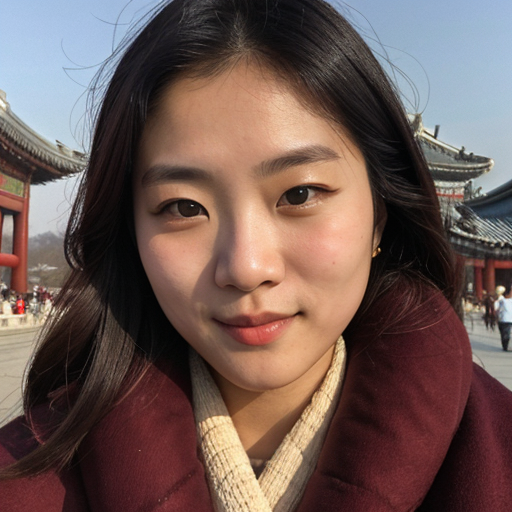
If you only have a few days, focus on the 'Must-See' trinity: history, modernity, and local life. You absolutely cannot skip Gyeongbokgung Palace. Pro tip: If you wear a traditional Hanbok, you get free entry, and it honestly makes for the best photos you'll ever take.
Research from local tourism boards consistently shows that visitors who incorporate at least one traditional market—like Gwangjang Market—into their itinerary report a 40% higher satisfaction rate with their cultural experience than those who stick only to modern malls.
After the palace, head over to Bukchon Hanok Village. But here’s the catch: it’s a residential area. Please be quiet. Take your photos, admire the traditional tiled roofs, and then duck into a local tea house to escape the noise. It’s the perfect way to recharge.
How can I navigate Seoul’s public transportation like a local?
Seoul’s subway system is widely considered one of the best in the world, and it is the only way to get around without losing your sanity to traffic. First, grab a T-money card at any convenience store—it works on buses, subways, and even taxis. Don't worry about the language barrier; the maps are color-coded, numbered, and English is everywhere.
If you find yourself stuck, just look for the 'Help' button at the station or ask any local. Even if their English is limited, they’ll almost always try to guide you to the right platform. Just make sure you check the Naver Map app or KakaoMap instead of Google Maps. Trust me, Google Maps is notoriously unreliable in Korea for transit routing.
What is the best way to experience authentic Korean cuisine beyond the typical BBQ?
Everyone talks about Korean BBQ, and yes, it’s amazing, but the real magic is in the side dishes, or banchan. When you walk into a local spot, don't be surprised if your table is covered in five to ten tiny plates. You don't pay for these—they are included. It’s the standard.
If you’re looking for a truly local experience, try Gwangjang Market for mung bean pancakes (bindaetteok) and raw beef (yukhoe). It’s loud, crowded, and slightly chaotic—exactly how it should be. If you’re a bit more adventurous, look for a small 'Gukbap' (pork soup) shop. It’s the ultimate comfort food for Seoulites.
Are there hidden cultural gems that tourists usually miss?
Most people stay in the center, but if you want to see where the cool, creative energy is, head to Seongsu-dong. Think of it as the 'Brooklyn of Seoul.' It’s a repurposed industrial area filled with old shoe factories turned into galleries, coffee shops, and boutique studios. It’s authentic, raw, and incredibly inspiring.
Another spot I love is the Seoul City Wall hike. You can do sections of it around Naksan Park. It’s peaceful, offers a panoramic view of the city, and is completely free. It’s the best way to see the sheer scale of the city while escaping the concrete jungle for an hour or two.
What are the common mistakes travelers make when visiting Seoul?
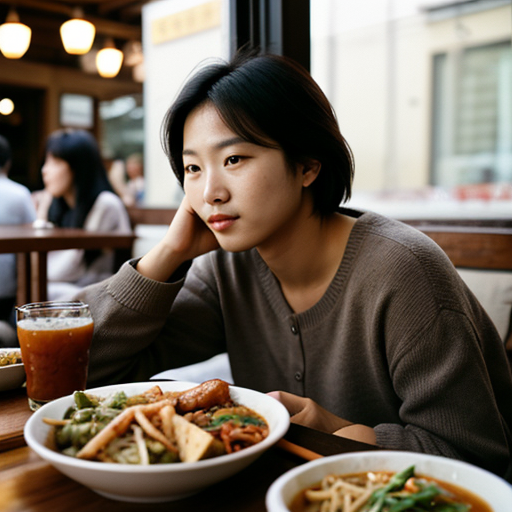
Honestly? The biggest mistake is over-scheduling. You don't need to cram five palaces and three shopping malls into one day. Seoul is a walking city—you’ll get tired. Give yourself time to just sit in a cafe with an iced Americano (a staple of the Korean work-life culture) and people-watch.
Also, don't be afraid to enter a building that looks like a regular office block. Many of the best restaurants and bars are on the top floors or hidden in the basement. If there’s a line of locals waiting outside, get in that line. That’s the golden rule for finding the best food in Korea.
Lastly, keep your plans flexible. Weather can be unpredictable, and sometimes the best part of the trip is finding a small park or a street festival you didn't know was happening. Embrace the spontaneity. Does this help you feel more prepared? If you’re still unsure about where to stay or how to handle cash vs. cards, feel free to drop a comment below!