Korea Travel Plan: A First-Timer’s Ultimate Guide for 2025-2026
The Essence of a Perfect Korean Itinerary
For a first-time traveler to South Korea, the sheer density of information can be overwhelming. The most effective way to navigate the country is to balance the ultra-modern energy of Seoul with the historical gravitas of Gyeongju and the coastal charms of Busan. A successful Korea travel plan is not about ticking off as many palaces as possible, but about mastering the local 'palli-palli' (hurry-hurry) culture while finding pockets of serenity in traditional teahouses.
When I arrived at Incheon International Airport (ICN) for the first time, I realized the importance of immediate connectivity. My advice? Secure a 4G/5G eSIM or a portable Wi-Fi egg before exiting the arrivals hall. It is the single most important utility for using Naver Maps—the only navigation app that works reliably for walking directions in Korea, as Google Maps is often limited due to national security regulations.
Navigating Transportation: Beyond the Subway
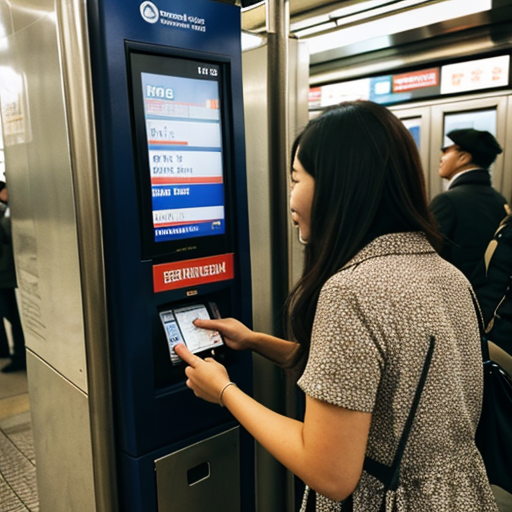
Seoul’s public transportation is arguably the best in the world, but it requires a specific tool: the T-money card. You can buy one at any convenience store like 7-Eleven, GS25, or CU. This rechargeable card works for subways, buses, and even some taxis. Pro tip: Always tap your card when entering AND exiting the bus. Failure to do so will result in a penalty fee upon your next board, which can be frustrating for budget-conscious travelers.
If you plan to visit multiple cities like Seoul and Busan, the Korea Rail Pass (KORAIL Pass) is a massive value-add. As of 2025, booking your KTX high-speed train tickets in advance via the official KORAIL website is crucial, especially during weekends or Korean public holidays like Chuseok. The trains are punctual to the second, reflecting the high standard of efficiency that defines modern Korea.
Must-Visit Cultural Landmarks and Hidden Gems
Most first-timers flock to Gyeongbokgung Palace. While it is iconic, I suggest visiting in the early morning at 9:00 AM to beat the massive tour groups. Better yet, wear a Hanbok (traditional Korean clothing). Many rental shops are located in the Bukchon Hanok Village nearby, and wearing a Hanbok grants you free entry to all major palaces. It’s not just a tourist gimmick; it’s an immersive experience that locals deeply appreciate.
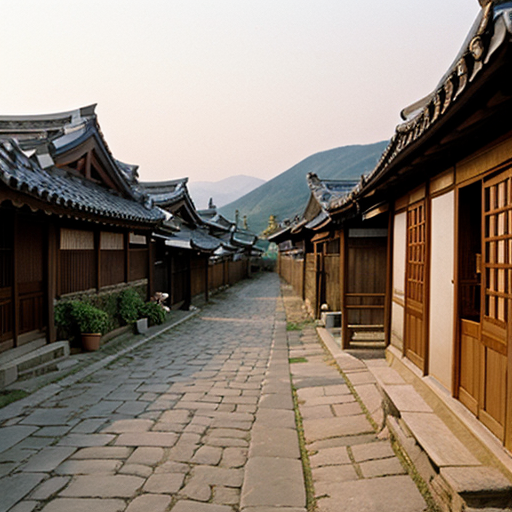
In my experience, the true heart of Korea isn't in the shopping malls of Myeong-dong, but in the narrow alleyways of Ikseon-dong. Here, 100-year-old traditional houses have been converted into trendy cafes and craft shops. Spend an afternoon there to see the harmony between old architecture and modern lifestyle.
For those seeking a deeper dive into history, a day trip to the DMZ (Demilitarized Zone) remains a non-negotiable part of a 2025 itinerary. Book a tour at least three weeks in advance. It’s a sobering, professional, and eye-opening experience that contextualizes the current state of the Korean peninsula. Remember to bring your passport; no entry is permitted without the original document.
Gastronomy: Eating Like a Local
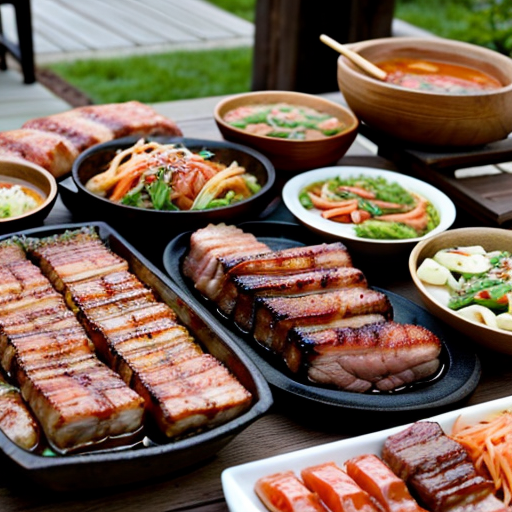
Korean food culture is communal and intense. You will find that most restaurants specialize in one or two dishes. If you see a place with a long line of locals, join it. That is the ultimate indicator of quality. Do not be intimidated by the BBQ grills built into the tables; the staff will often help you with the initial sear, especially if you look like a foreigner struggling with the tongs.
Key dishes to prioritize for a first-timer include:
- Samgyeopsal: Thick, fatty pork belly grilled to perfection.
- Bibimbap: A balanced bowl of rice, vegetables, meat, and gochujang.
- Kimchi-jjigae: A spicy, comforting stew that is a staple of every Korean household.
- Street Food: Try Tteokbokki (spicy rice cakes) and Hotteok (sweet filled pancakes) in markets like Gwangjang Market.
Avoiding Common Tourist Pitfalls
One common mistake is over-relying on English. While younger Koreans in major cities speak good English, learning basic phrases like 'Annyeonghaseyo' (Hello), 'Gamsahamnida' (Thank you), and 'Juseyo' (Please give me) will drastically improve your service quality and interactions. Koreans value politeness and effort, so even a simple 'thank you' goes a long way.
Also, avoid exchanging too much cash at the airport. You will find that credit cards are accepted everywhere—even in the smallest street stalls. However, keep about 50,000 KRW in cash for small markets or emergencies. Most major banks in Korea now support international card withdrawals at ATMs, but do notify your home bank of your travel dates to avoid any 'security holds' on your card while you are mid-trip.
Strategic Planning for 2025-2026
The weather in Korea is seasonal extremes. Spring (April) offers stunning cherry blossoms, while Autumn (October) provides crisp air and vibrant fall foliage. Avoid mid-summer (late July to August) if you are not fond of high humidity, and prepare for biting cold if you visit in January. If you are a digital nomad or want to stay connected, check out the latest 'Visit Korea' app provided by the Korea Tourism Organization. It provides real-time updates on local events and festival schedules.
Finally, respect the 'bbali-bbali' culture. People walk fast, eat fast, and work fast. You don't need to stress, but acknowledging this pace will help you blend in. Korea is one of the safest countries in the world for solo travelers, so don't be afraid to wander off the beaten path. Sometimes, the best memories come from taking an unplanned bus ride to a neighborhood you haven't seen in any guidebook.