Is Busan Good for Tourists? An Honest Guide to Korea's Coastal Gem
Is Busan Good for Tourists? An Honest Guide to Korea's Coastal Gem
If you're asking, "Is Busan good for tourists?" the short answer is yes—it’s arguably better than Seoul if you crave a balance between a massive metropolitan city and a relaxing beach getaway. While Seoul is the beating heart of Korea's history and modern pop culture, Busan offers a distinct, salty-aired personality that feels more accessible and less overwhelming.
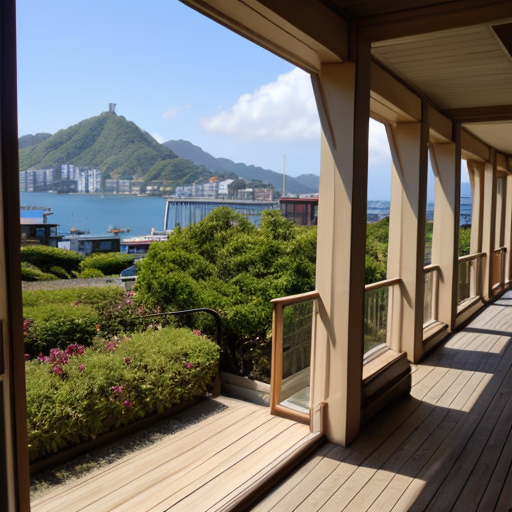
My first time in Busan, I was struck by the sheer contrast of the landscape. One minute I was navigating the dense, bustling alleys of a traditional market, and ten minutes later, I was standing on a cliff edge overlooking the East Sea. It’s this vertical geography—the way the city climbs the mountains and spills into the ocean—that makes it unique.
Why do tourists prefer Busan over other coastal cities in Korea?
Busan remains a top-tier tourist destination because it uniquely blends world-class infrastructure with natural beauty that you simply can't find in Seoul. It provides an authentic Korean maritime experience combined with high-speed accessibility, making it the perfect follow-up to a capital city visit.
According to recent tourism data, Busan consistently ranks as the most popular secondary destination for international travelers in Korea, with a satisfaction rate exceeding 85% regarding local accessibility and food quality.
The city's subway system is incredibly intuitive, meaning you don't need to rent a car to jump between the beach districts of Haeundae and the cultural hub of Gamcheon. While other coastal cities in Korea often require long bus rides or private transport, Busan is designed for pedestrians and public transit users.
How much time do you actually need in Busan?
You need at least three full days to experience the core of Busan without rushing, though a week is ideal if you want to soak in the local rhythm. Most travelers make the mistake of visiting for just a single overnight stay, only to realize that the city’s best neighborhoods—Haeundae, Gwangalli, and Nampo-dong—are vastly different from one another.
The "Must-Visit" areas for first-timers:
- Haeundae & Gwangalli: The iconic beach districts. Great for nightlife, luxury dining, and sea-view cafes.
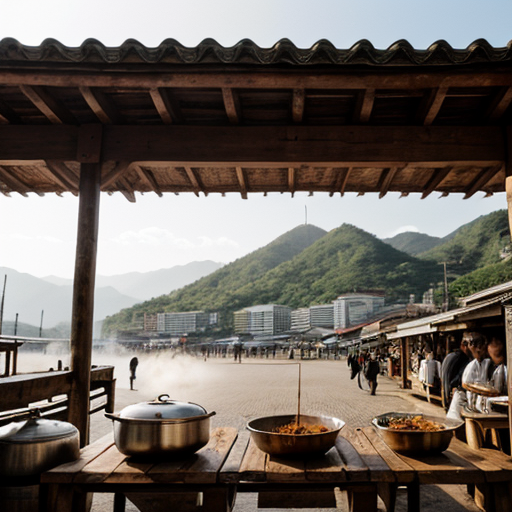
- Nampo-dong & Jagalchi: The heartbeat of old Busan. This is where you find the raw, unfiltered street food culture and massive traditional markets.
- Gamcheon Culture Village: Yes, it’s popular on social media, but the history behind this hillside settlement is what really matters.
What is the best part of Busan for food lovers?
Food is the reason most people return to Busan. The city’s culinary identity is defined by its proximity to the ocean and a history of resilience. You haven't truly been to Busan until you've sat on a plastic stool at Jagalchi Fish Market, eating raw octopus or grilled hagfish.
Don't just stick to the tourist-facing restaurants. My personal tip? Look for the small, unassuming shops selling Dwaeji Gukbap (pork soup) near the local subway exits. This dish is the holy grail of Busan comfort food. It’s rich, milky, and typically costs less than 10,000 KRW—an absolute steal compared to the dining prices in Seoul.
Are there any downsides to visiting Busan?
Truthfully, Busan can be frustrating during peak summer vacation months (July and August). The beaches become incredibly crowded, and local traffic—especially near the coastal roads—can crawl to a complete standstill. If you are looking for total seclusion, the major beaches will disappoint you during these times.
Another thing to keep in mind is the dialect. Busan locals speak with a distinct Saturi (accent) that is much more aggressive and melodious than the standardized Seoul speech. While almost everyone in the service industry understands English or standard Korean, it can sound intimidating at first. Don't take it personally; it's just the local way of speaking with passion.
How to make the most of your Busan trip
To avoid the tourist traps, try these specific strategies: skip the "Instagram-famous" cafes right on the beach during weekends and head toward the smaller alleys in Yeongdo. Yeongdo is a former industrial island that has been transformed into a hub for avant-garde coffee shops and creative studios. It’s where the locals actually spend their time.
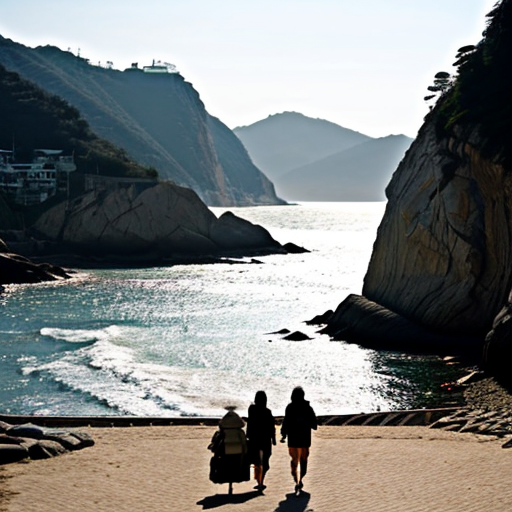
Also, prioritize the Coastal Walks. Instead of just sitting on the sand, hike the trail from Mipo to Cheongsapo. You get the same ocean view but with a much better perspective of how the city integrates with the sea. It takes about an hour, and it’s the best way to see the "real" Busan without paying for an expensive tour bus.
Finally, remember that Busan is not a city to be rushed. Whether you are drinking coffee overlooking the Gwangandaegyo Bridge or getting lost in the winding streets of Huinnyeoul Culture Village, the magic of the city lies in the slow, salty breeze. It’s a place that rewards those who take the time to sit, observe, and engage with its vibrant, gritty, and beautiful streets.