How to Plan the Perfect Korea Travel Itinerary in 2025: A Local's Expert Guide
How to Plan the Perfect Korea Travel Itinerary in 2025: A Local's Expert Guide
Planning a trip to Korea can feel overwhelming because there’s so much to see, from the neon-lit skyscrapers of Gangnam to the serene, ancient temples of Gyeongju. If you’re wondering where to start, the secret is balancing high-tech city life with deep cultural roots. For a first-time visitor, a 7-10 day itinerary covering Seoul, Gyeongju, and Busan offers the most comprehensive experience.
What is the most efficient way to travel between cities in Korea?
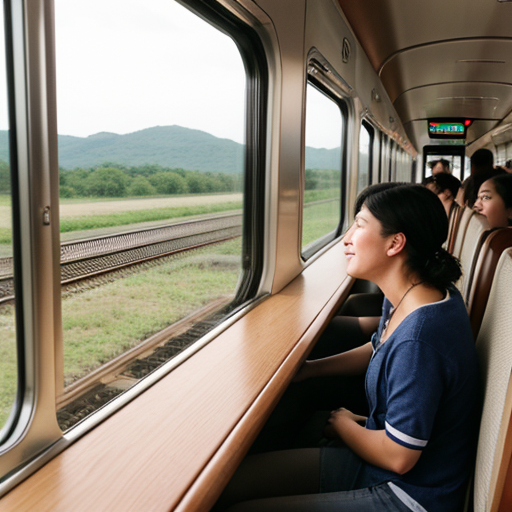
The most efficient and reliable way to travel between major Korean cities is the KTX (Korea Train Express). It’s significantly faster than buses and more convenient than domestic flights when you factor in airport transfers. If you are planning a multi-city trip, look into the KORAIL Pass, which allows unlimited travel for a set number of days.
I remember my first time trying to navigate the train station in Seoul—it was intimidating. The signage is in English, but the sheer size of Seoul Station can be confusing. My advice? Arrive 30 minutes early, grab a kimbap from the convenience store inside, and enjoy the ride. The seats are spacious, and the punctuality is unmatched.
According to the Korea Tourism Organization, over 85% of international tourists utilize the KTX system as their primary mode of intercity transport due to its 99% on-time performance rate.
Which districts in Seoul should you prioritize for an authentic experience?
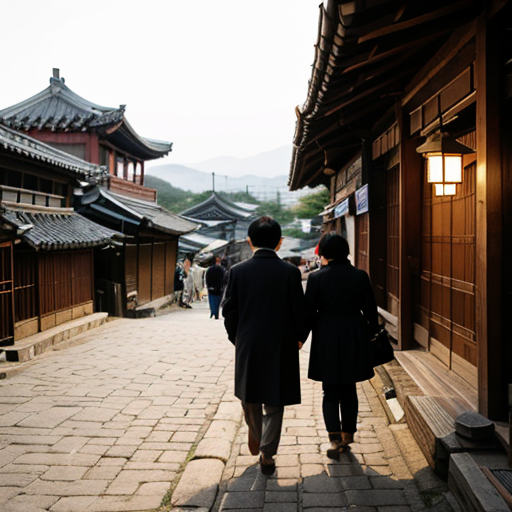
While Myeong-dong is famous for shopping, it can be quite crowded. If you want a mix of history and modern culture, prioritize Bukchon Hanok Village and the Ikseon-dong neighborhood. Bukchon offers stunning traditional architecture, while Ikseon-dong is where you'll find the trendiest cafes tucked inside renovated traditional houses.
Many travelers make the mistake of spending all their time in Hongdae or Gangnam. Don't get me wrong, they are great, but the soul of Seoul is in the smaller alleys. Walking through the narrow paths of Ikseon-dong in the late afternoon, watching the sun hit the traditional tiled roofs, is an experience you won't find on any postcard.
How do you handle payments and mobile connectivity in Korea?
The easiest way to handle payments is by carrying a small amount of cash for street food, while using a travel debit card (like Wise or Revolut) for everything else. For connectivity, don't rely on roaming fees from your home carrier. Instead, pick up an eSIM online before you land. It’s cheap, instant, and keeps you connected to Naver Maps—which is far superior to Google Maps in Korea.
Seriously, Naver Map is your best friend. Google Maps is often outdated in Korea due to security policies. If you want to find the best local restaurants or check bus routes, download Naver Map immediately. It’s an essential tool for any traveler who doesn't want to get lost in a subway transfer.
Is it better to visit Jeju Island or Busan for a coastal getaway?
It really depends on your travel pace. Busan is perfect for urban coastal vibes—think beachside skyscrapers, vibrant fish markets like Jagalchi, and the colorful Gamcheon Culture Village. Jeju Island is for nature lovers who want to hike Hallasan or explore volcanic craters and hidden waterfalls.
When I visited Busan last summer, the energy at Gwangalli Beach at night was electric, with the Diamond Bridge illuminated in the distance. Jeju, on the other hand, was all about renting a car and finding a quiet cafe overlooking the ocean in Aewol. If you have less than 5 days for a side trip, stick to Busan. If you want to escape the city entirely, go to Jeju.
What are the common mistakes tourists make when planning a Korea itinerary?
The biggest mistake is over-scheduling. Korea is a country that rewards those who linger. Trying to cram three different cities into a 5-day trip will leave you exhausted and stuck on a train rather than enjoying the culture. Another mistake is ignoring the convenience store culture—Korean conbini (convenience stores) like CU or GS25 offer high-quality meals that can save you money and time.
One time, I tried to hit five different palaces in one day. By the third one, they all started looking the same. It’s much better to pick one palace, like Gyeongbokgung, rent a Hanbok, and actually spend time learning the history rather than rushing to get a photo for Instagram.
Are there specific seasonal tips I should know for 2025?
Spring (late March to April) is all about cherry blossoms, particularly in Gyeongju. Autumn (late October to early November) is stunning for the foliage, especially in the mountains like Seoraksan. If you go in summer, be prepared for high humidity and monsoon rains in July. Winter is cold but magical if you enjoy skiing or visiting the frozen morning landscapes of the countryside.
Data from the 2024 Climate Report shows that peak autumn foliage in the central region occurs between October 25th and November 5th, making it the most recommended window for travelers looking for scenic photography.
How can you engage with local culture respectfully?
Learning a few basic phrases like 'Kamsahamnida' (Thank you) and 'Jogeum-man juseyo' (A little bit, please) goes a long way. When visiting temples, keep your voice low and be mindful of your attire. If you’re dining, remember that it’s polite to wait for the oldest person at the table to start eating before you pick up your chopsticks. These small gestures show respect and often result in much friendlier interactions with locals.
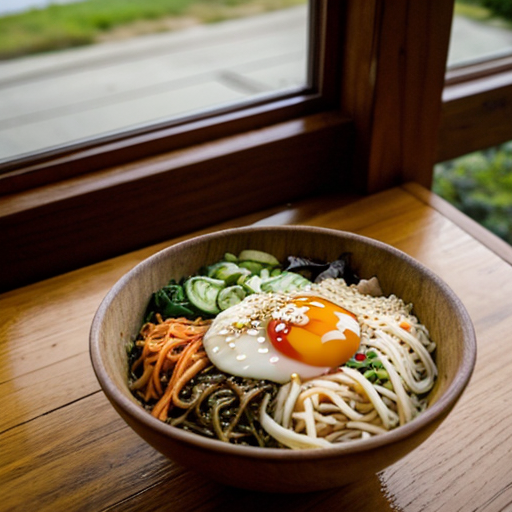
Ultimately, Korea is a place that balances the ultra-modern with the deeply traditional. Don't just follow a checklist. Give yourself an afternoon to get lost in a neighborhood, try a random dish at a local market, and engage with the people. That is the true Korea travel experience. If you’re struggling with your specific dates, leave a comment with your interests and I’ll help you refine your route.