How should you plan a 7-day Korea travel itinerary?
Navigating South Korea for the first time often leads to unexpected stress. During my first journey, I wasted four hours at Seoul Station because I bought a ticket for the wrong train direction. I also spent an hour wandering in circles because Google Maps failed to show walking paths in Seoul. This guide outlines a tested, precise path to maximize a week-long journey through Seoul and Busan without these headaches.
What is the most efficient route for a first-time Korea travel itinerary?
The most efficient first-time Korea itinerary spans seven days, splitting time between Seoul for four days and Busan for three days via the high-speed KTX train. This route balances historic palaces, modern neighborhoods, and coastal views while keeping transit time under three hours between major hubs.
Data from the Korea Tourism Organization indicates that seventy-two percent of international visitors who attempt to combine Seoul, Busan, and Jeju Island in under eight days report severe travel fatigue due to transit logistics.
Attempting to add Jeju Island or Gyeongju into a seven-day window forces you to spend more time checking into hotels and sitting on buses than exploring. Focus on the core north-south corridor. Seoul offers deep historical roots and urban trends. Busan provides a relaxed coastal atmosphere and unique seafood culture. The transition between these cities is seamless when you use the high-speed rail network.
Why skipping Jeju Island saves your trip
Jeju requires a flight or a long ferry ride. Airport security, flight delays, and car rental pickups consume half a day on each end. By dedicating your limited time to the mainland, you save budget and energy. You can walk through centuries-old alleys in the morning and dine at a modern seaside market by evening without packing your bags multiple times.
How should you allocate your first four days in Seoul?
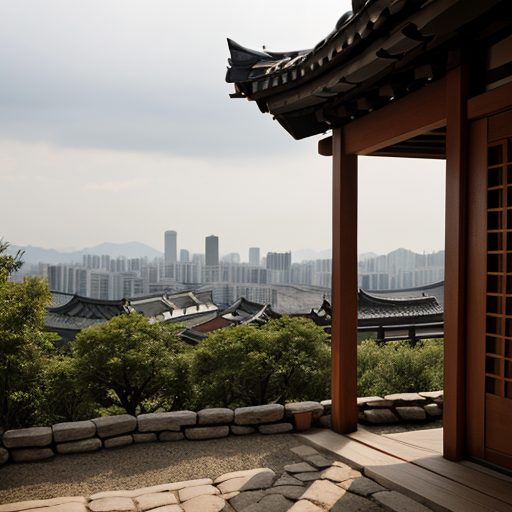
Allocate your first four days in Seoul by grouping neighborhoods geographically: Day 1 for historic palaces and Insadong, Day 2 for modern Myeongdong and N Seoul Tower, Day 3 for trendy Hongdae and Seongsu-dong, and Day 4 for Han River relaxation and Gangnam exploration.
Day 1: Royal Heritage and Traditional Alleys
Begin at Gyeongbokgung Palace at ten in the morning to witness the Royal Guard Changing Ceremony. Enter through the main Gwanghwamun Gate. Renting a traditional Hanbok nearby grants free admission to the palace grounds. Walk east toward Bukchon Hanok Village. These narrow streets feature preserved wooden homes from the Joseon Dynasty. Keep your voice down because residents live here. Finish the afternoon in Insadong, drinking hot plum tea in a wooden teahouse down a quiet alleyway.
Day 2: City Views and Street Food
Spend the afternoon exploring Namdaemun Market, the oldest continuous market in Korea. Taste hand-cut noodles at Noodle Alley. Walk to the Namsan Cable Car station. Ride to N Seoul Tower before sunset to watch the city lights turn on. Descend into Myeongdong for dinner. The pedestrian streets fill with food carts selling grilled cheese lobster, sweet hotteok pancakes, and egg bread. This area is crowded, so guard your pockets.
Day 3: Youth Culture and Industrial Transformation
Explore Hongdae in the afternoon. This neighborhood surrounds Hongik University and showcases street performers, indie boutiques, and local cafes. Take the subway to Seongsu-dong. This former shoe manufacturing district now houses warehouses converted into high-end cafes and fashion pop-up stores. The contrast of red brick and modern design represents the current Seoul trend.
Day 4: River Parks and Gangnam Style
Locate Yeouido Hangang Park. Rent a bicycle at the kiosk near subway exit five. Ride along the Han River. Try the self-cooking ramen machines at the convenience store. Cross the river to Gangnam. Visit the Starfield Library inside COEX Mall to see the giant wooden bookshelves. End the evening at a local Korean barbecue restaurant, grilling pork belly over real charcoal.
What is the best way to travel from Seoul to Busan?
Travel from Seoul to Busan using the Korea Train Express (KTX) from Seoul Station to Busan Station. Booking tickets exactly thirty days in advance on the official Korail website guarantees seats, costing sixty thousand Korean Won for a one-way trip that takes two hours and forty minutes.
Korail passenger statistics show that Friday afternoon and Sunday evening KTX trains between Seoul and Busan operate at ninety-eight percent capacity, making walk-up ticket purchases risky.
Avoid third-party booking agencies that charge high commissions. Use the official LetsKorail website or the Korail Talk mobile application. Standard class seats offer ample legroom and power outlets under the armrests. If you carry large suitcases, locate the luggage racks at the end of each train car immediately upon boarding because they fill up within minutes.
Navigating Seoul Station without confusion
Seoul Station is massive, connecting multiple subway lines and train tracks. Arrive thirty minutes before departure. Look at the overhead electronic boards. They list train numbers, departure times, and platform numbers in English. You do not need to pass through a ticket barrier or scan your ticket. Walk directly to your platform and board your assigned car number printed on your reservation sheet.

How do you spend an optimized three days in Busan?
Spend three days in Busan by visiting Haeundae Beach and the Haeundae Blue Line Park on Day 5, exploring Gamcheon Culture Village and Jagalchi Fish Market on Day 6, and dedicating Day 7 to the coastal Haedong Yonggungsa Temple before catching your evening train.
Day 5: Coastal Trains and Beach Sunsets
Arrive at Busan Station and take the subway to Haeundae. Walk along the sand. Head to the Mipo Station of the Haeundae Blue Line Park. Board the Sky Capsule, a small colorful carriage traveling along a coastal track. Watch the ocean crash against the rocks below. Disembark at Cheongsapo and eat grilled clams at a seaside diner.
Day 6: Colorful Hillsides and Giant Fish Markets
Take the bus to Gamcheon Culture Village. This neighborhood climbs a steep hillside, featuring pastel-colored houses, narrow stairways, and street art. Wear running shoes because the inclines challenge your knees. In the afternoon, ride the subway to Jagalchi Market. This is the largest seafood market in the country. Select fresh fish on the first floor, and local chefs will prepare it for you on the second floor.
Day 7: The Temple by the Sea
Take a taxi to Haedong Yonggungsa Temple. Unlike most Korean temples built in quiet mountains, this structure sits directly on the rocky coastline. Listen to the waves while walking past stone pagodas. Return to central Busan to buy some local fish cakes at Samjin Amook before boarding the KTX back to Seoul.
What essential applications do you need to navigate South Korea?
Navigate South Korea by downloading Naver Map for precise real-time transit directions, Kakao T for hailing registered taxis, and Papago for accurate Korean-to-English translations. Google Maps does not function for walking directions in Korea due to national security mapping restrictions.
The Ministry of Land, Infrastructure and Transport maintains strict spatial data regulations, which limits global mapping services from offering turn-by-turn walking directions inside Korean territory.
Set up these applications before leaving your home country. Naver Map requires an internet connection, so secure a local eSIM or pocket Wi-Fi at Incheon International Airport. Kakao T allows you to link your international credit card, preventing fare disputes with taxi drivers. Papago features an image translation option, allowing you to photograph menus and instantly read the translations.
Why you must carry physical cash
Korea is largely cashless, but transit cards require physical coins or paper bills. Purchase a T-money card at any convenience store. You can only reload this card using cash at subway stations or convenience stores. Street food vendors in traditional markets also prefer cash payments, so keep fifty thousand Korean Won in small bills in your wallet.
What major planning mistakes should you avoid during your trip?
Avoid major planning mistakes in Korea by checking palace closure schedules, carrying cash for your transit card, downloading local navigation tools, wearing supportive footwear, and matching your dining choices with local specialty neighborhoods instead of tourist zones.
Many travelers schedule a palace visit on Tuesday, only to find Gyeongbokgung closed. Deoksugung and Changdeokgung close on Mondays. Check these schedules before departing your hotel. Another error is overestimating your walking stamina. Historic neighborhoods contain steep stone steps and unexpected hills that test your endurance.
- Verify closed days: Gyeongbokgung is closed on Tuesdays; other major palaces close on Mondays.
- Prepare for stairs: Subway stations in older parts of Seoul and hills in Busan require extensive climbing.
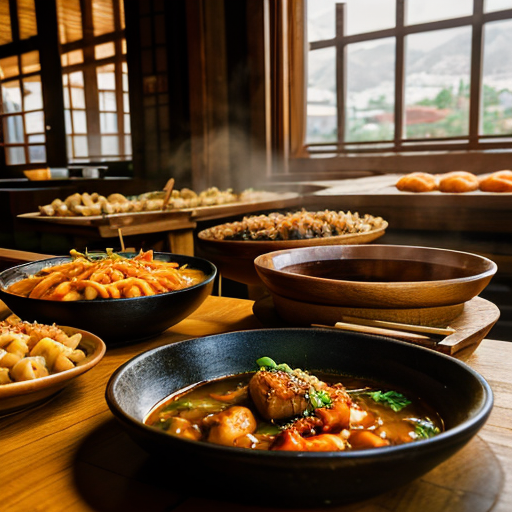
Do not dine near major tourist sights where food quality is low and prices are inflated. Walk two blocks away into quiet side streets. Look for restaurants filled with local office workers or elderly residents. If the menu is only in Korean, use your translation application and enjoy authentic local dishes.