Busan 3-Day Itinerary: Local Secrets & Travel Tips
Struggling to plan your Busan getaway without wasting hours in traffic or falling into overpriced tourist traps? The ultimate solution is a structured west-to-east route that pairs iconic coastlines with deep-rooted culinary heritage. By dividing this coastal metropolis into distinct geographic zones, you save over 3 hours of daily transit while unlocking authentic spots that mainstream guides completely miss.
How should I plan my perfect 3-day Busan itinerary?
The most efficient way to experience Busan is to split your trip into three distinct geographic zones: West and Historical (Day 1), Central and Coastal (Day 2), and East and Modern (Day 3). This geographical sequencing eliminates back-and-forth travel across the city, saving you precious hours and transit costs. When I took the KTX from Seoul to Busan Station on April 14, 2024, I learned the hard way that trying to cross from Gamcheon in the west to Haeundae in the east in a single afternoon results in a stressful, two-hour subway journey during peak rush hour.
Day 1: Historical West and Maritime Culture
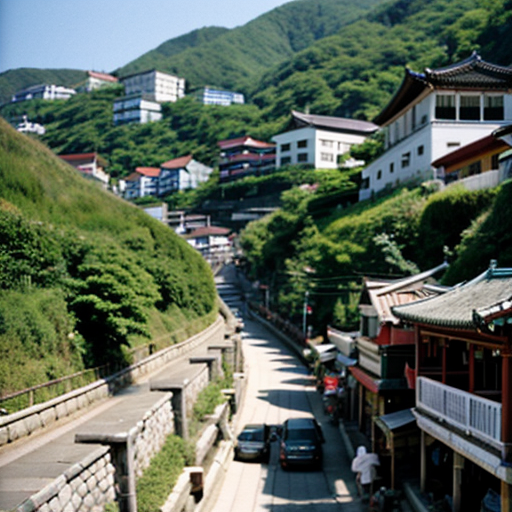
Begin your journey at the iconic Gamcheon Culture Village. Arrive no later than 08:30 AM to wander through the pastel-colored alleyways before the heavy tourist buses clog the narrow paths. From there, take a local bus down to Jagalchi Fish Market, the largest seafood market in South Korea. Walk past the outdoor stalls where local elderly women (Jagalchi Ajumma) sell fresh octopus and sea squirts. For lunch, head to the second floor of the main market building to eat freshly grilled fish. Spend your afternoon crossing the nearby Yeongdodaegyo Bridge to explore Huinnyeoul Culture Village, a coastal cliffside artistic community offering spectacular views of the harbor and large vessels anchored in the outer port.
Day 2: Coastal Breeze and Night Skylines
Dedicate your second day to Busan’s central coastline. Start your morning at Gwangalli Beach, famous for its fine sand and the sweeping views of the Gwangan Bridge (Diamond Bridge). Grab a specialty drip coffee at one of the independent cafes lining the shore. In the afternoon, head to Shinsegae Centum City, officially recognized by the Guinness World Records as the world's largest department store. If your legs are tired, spend a few hours at Spaland, a massive, luxury traditional Korean bathhouse (jjimjilbang) inside the mall that utilizes natural hot spring water. As night falls, make your way to The Bay 101 in Haeundae for a classic fish-and-chips dinner paired with the glowing reflection of the Marine City skyscrapers over the water.
Day 3: Romantic Coastline and Historic Temples
On your final day, head to the eastern edge of the city. Start early at Haedong Yonggungsa Temple, a rare Buddhist temple situated directly on a rocky coastline. Watching the waves crash against the stone foundations as the morning sun rises is a spiritual highlight of any Korean trip. In the afternoon, make your way to the Haeundae Blueline Park at Mipo. Ride the colorful Sky Capsule to Cheongsapo, a picturesque fishing village. Spend your final evening walking along Haeundae Beach, stopping by the Haeundae Traditional Market to sample street foods like spicy rice cakes and fresh seafood skewers.
According to the Busan Tourism Organization's 2024 visitor survey, travelers who grouped their sightseeing geographically reported a 40% higher satisfaction rate due to significantly reduced physical fatigue.
Which Busan neighborhoods are actually worth staying in?
Your accommodation choice in Busan should depend entirely on your travel style: choose Haeundae for luxurious ocean views, Seomyeon for central transit access and nightlife, or Nampodong for traditional markets and budget-friendly stays. Booking in the wrong area can easily double your daily travel times because Busan is shaped like an elongated crescent along the coast. If you stay in Haeundae but plan to spend most of your time exploring historical sites in the west, you will spend at least 100 minutes a day inside a subway car.
Haeundae: Best for Luxury and Coastal Vibes
If you want to wake up to the sound of ocean waves and enjoy high-end dining, Haeundae is unmatched. It is home to luxury international hotels like the Signiel Busan and Paradise Hotel. The atmosphere is highly international, English is widely spoken, and the beach is right at your doorstep. However, expect to pay a premium here, with standard rooms averaging 180,000 KRW to 350,000 KRW per night during the peak season.
Seomyeon: Best for Transit and Budget
For the highly practical traveler, Seomyeon is the ultimate strategic hub. Located at the intersection of Subway Line 1 and Line 2, it allows you to reach almost any corner of the city without transferring multiple times. The area is filled with affordable business hotels ranging from 70,000 KRW to 120,000 KRW per night. Additionally, Seomyeon is Busan’s premier youth and shopping district, packed with trendy restaurants, bars, and subterranean shopping arcades that stay active long past midnight.
Nampodong and Yeongdo: Best for Cultural Immersion
If you prefer a retro, old-school Korean atmosphere, search for boutique hotels in Nampodong or trendy design guesthouses on Yeongdo Island. This area places you within walking distance of the traditional markets, Busan Tower, and historic alleyways. It is incredibly convenient if you plan to take an early morning KTX train back to Seoul, as Busan Station is only a 10-minute taxi ride away.
What is the fastest way to get around Busan without getting lost?
The fastest and most reliable way to navigate Busan is by combining the clean metro system with localized taxi rides booked via Kakao T. Avoid relying solely on Google Maps, which often displays outdated bus routes and inaccurate walking directions across South Korea due to national security mapping restrictions. Downloading localized navigation apps is not just a recommendation; it is an absolute necessity for surviving the complex transit network.
The Essential Navigation Toolkit
Before leaving your airport or train station, download Naver Map or KakaoMap. These apps provide real-time bus arrivals, step-by-step subway transfer guides, and even notify you which subway car door to exit from for the fastest transfer. For taxis, use Kakao T (the Korean equivalent of Uber). You can link your international credit card directly to the app, eliminating the language barrier as the destination is pre-set before you step into the vehicle.
Understanding the Subway and Transit Cards
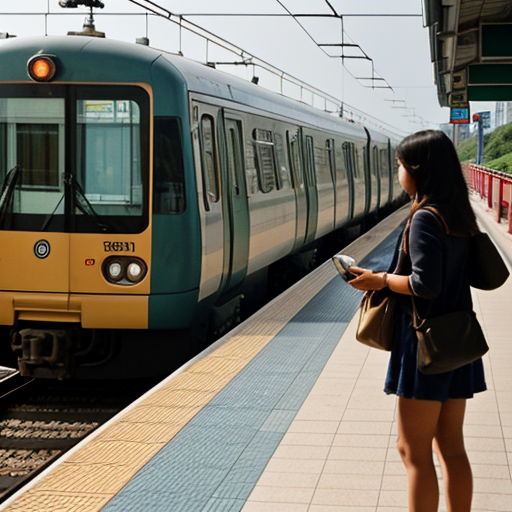
Busan’s subway system consists of four main lines and is incredibly simple to navigate. Purchase a T-money or Cashbee card at any convenience store and load it with cash (KRW). These transit cards offer a free transfer discount between the subway and local buses within a 30-minute window. Keep in mind that when taking the subway, you must look at the final destination indicated on the platform signs to ensure you are heading in the correct direction (for example, toward Jangsan or Daejeo on Line 2).
When I visited Gwangalli on a rainy evening, I initially tried to flag down a street taxi, but three passed me by because they were already reserved via Kakao T. Always book through the app during peak dining hours or bad weather to save yourself from standing in the cold.
Which local foods must you eat in Busan to avoid tourist traps?
To experience Busan's authentic culinary identity, you must try hot pork rice soup (Dwaeji Gukbap), chewy wheat noodles (Milmyeon), and sweet seed-filled pancakes (Ssiat Hotteok) at historic local diners rather than flashy beachfront restaurants. Beachfront spots often charge double the price for mediocre quality, targeting unsuspecting tourists. Real local food in Busan is deeply tied to the history of the Korean War, when refugees used whatever ingredients were available to create hearty, comforting meals.
Dwaeji Gukbap: The Soul Food of Busan
Dwaeji Gukbap is a rich, milky broth made from boiling pork bones for hours, served with tender slices of pork belly and rice. To eat it like a local, you must season the broth yourself. When the steaming bowl arrives at your table, add a spoonful of salted shrimp (saeujeot), a generous portion of seasoned chives (buchu), and a dollop of spicy red pepper paste (dadaegi). For an incredible bowl, head to Bonjeon Dwaeji Gukbap located right next to Busan Station, which has been serving hungry travelers for over 45 years.
Milmyeon: The Refreshing Alternative to Naengmyeon
During the Korean War, northern refugees in Busan could not find the buckwheat needed to make traditional cold noodles, so they used wheat flour provided by humanitarian aid instead. This gave birth to Milmyeon, thin wheat noodles served in an icy, sweet-and-sour herbal broth topped with slices of pork, cucumber, and boiled egg. It is the ultimate cure for Busan’s humid summer heat. Try it at Choryang Milmyeon, where a large bowl costs less than 9,000 KRW.
Ssiat Hotteok: A Sweet Street Classic
Unlike the standard brown sugar pancakes found in Seoul, Busan’s version, Ssiat Hotteok, is fried in real butter until crispy, sliced open, and stuffed to the brim with a mixture of sunflower seeds, pumpkin seeds, pine nuts, and cinnamon sugar. It offers a wonderful contrast of hot, sweet, chewy, and crunchy textures. The most famous stalls are located in BIFF Square in Nampodong, easily identifiable by the long queues of locals waiting patiently in line.
How can I visit Gamcheon Culture Village and Haeundae Blueline Park without the crowds?
To enjoy Gamcheon Culture Village and the Haeundae Blueline Park Sky Capsule without suffocating crowds, you must arrive at Gamcheon before 09:00 AM and pre-book your Sky Capsule tickets online at least two weeks in advance. These two locations are Busan's most highly photographed tourist spots, meaning that midday visits often result in elbow-to-elbow crowds and long, frustrating wait times that can ruin your travel experience.
Beating the Crowds at Gamcheon
Gamcheon Culture Village is an active residential neighborhood built on a steep hillside. Residents appreciate quiet mornings, so while you should respect their privacy, arriving at 08:30 AM allows you to capture pristine photos of the colorful houses without hundreds of tourists in your frame. Walk past the famous Little Prince statue early to take your photo without waiting in the standard 30-minute queue. Afterward, find a quiet terraced cafe like the Avant Garde Cafe to enjoy a morning coffee with panoramic views of the entire valley sliding down into the sea.
The Sky Capsule Booking Secret
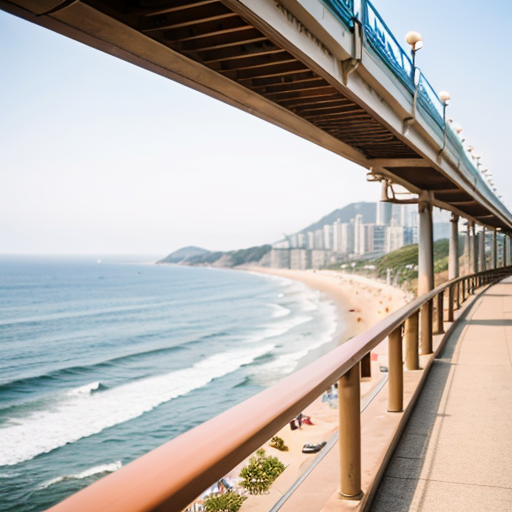
The Haeundae Blueline Park Sky Capsule is a slow-moving, private four-seater cabin that glides along an elevated track over the ocean. It is incredibly romantic, but tickets sell out almost instantly. If you show up at the ticket booth on the day of your visit, you will likely find all slots booked. Go to the official Blueline Park website exactly two weeks before your desired date. When booking, select the route from Mipo to Cheongsapo during the late afternoon (around 17:00 PM in autumn or spring) to catch the golden hour and sunset over the East Sea.
I made the mistake of showing up without a reservation on a Saturday afternoon in October. The ticket agent laughed gently and told me the next available slot was in four hours. Don't risk your precious vacation time; book your tickets online beforehand.
What is the realistic budget for a 3-day trip to Busan?
A realistic budget for a comfortable 3-day trip to Busan ranges from 350,000 KRW ($260 USD) for budget travelers to 850,000 KRW ($630 USD) for mid-range travelers including domestic transport. By understanding where to spend and where to save, you can experience the absolute best of the city's coastal charm without breaking the bank.
Estimated Cost Breakdown (per person in KRW)
- Transportation: 130,000 KRW (includes round-trip KTX from Seoul to Busan and local subway/bus fares).
- Accommodation: 150,000 to 450,000 KRW (depending on whether you select a cozy business hotel in Seomyeon or an ocean-view room in Haeundae).
- Food & Dining: 100,000 to 200,000 KRW (covering casual street food lunches and one high-end fresh seafood dinner).
- Activities & Entrance Fees: 50,000 to 100,000 KRW (covering Spaland, the Blueline Sky Capsule, and cafe hopping).
Practical Budget Hacks
To save money on transportation, purchase a Visit Busan Pass if you plan to visit multiple paid attractions like the Songdo Cable Car, Lotte World Adventure Busan, and Busan Tower. The pass offers free entry to over 30 top attractions for a flat 24-hour or 48-hour fee, saving you up to 50% compared to buying individual tickets. Additionally, eat your largest meals at lunch, when many high-quality neighborhood diners offer discounted set menus (jeongsik) featuring an array of traditional side dishes and fresh stews for under 10,000 KRW.
Which parts of Busan are you most excited to explore? Whether you are dreaming of the ocean views at Haedong Yonggungsa or looking forward to the sizzling street food of BIFF Square, planning ahead makes all the difference. Leave a comment below if you have any questions about bus routes, hotel recommendations, or food spots, and I'll gladly share more local tips!