Best Korean Food List for First-Timers: 7 Dishes You Must Try
Stepping into the world of Korean cuisine can feel incredibly exciting yet slightly intimidating, especially if you aren't sure how to handle the heat or order at a restaurant where no one speaks English. The ultimate Korean food list for first-timers begins with mild, crowd-pleasing classics like Bulgogi (marinated sliced beef), Kimbap (seaweed rice rolls), and the legendary Korean BBQ (Samgyeopsal) before gradually stepping into spicier territory like Tteokbokki.
Many people fear they will burn their tastebuds off or break a major social rule, but Korean dining is actually incredibly welcoming once you know a few insider tips. Having lived in and eaten my way through Seoul for over three years, I have seen exactly what makes newcomers fall in love with this cuisine—and what makes them hesitate.
What is the best Korean food to try first if you cannot handle spicy dishes?
Go straight for Bulgogi, Galbi, or Kimbap. These dishes rely on savory, sweet soy-sauce-based marinades or toasted sesame oil rather than red chili flakes, making them completely safe and delicious for spice-sensitive palates.
The Sweet and Savory Charm of Bulgogi
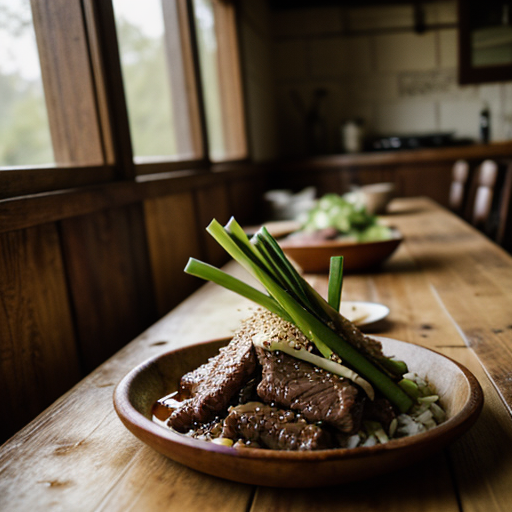
Bulgogi consists of paper-thin slices of prime beef ribeye, marinated in a sweet and savory mixture of soy sauce, sugar, sesame oil, garlic, and pureed Korean pears. The pear juice acts as a natural tenderizer, making the meat incredibly soft and melt-in-your-mouth. When grilled or stir-fried with onions and scallions, it creates a comforting, caramel-sweet flavor profile that appeals to literally everyone, from young children to hesitant travelers. It is often served on a sizzling hot plate or in a shallow pot with sweet potato glass noodles that soak up all the delicious juices.
Galbi: The King of Grilled Ribs
Galbi refers to thick-cut beef or pork short ribs marinated in a similar soy-sauce concoction. Unlike bulgogi, galbi is usually cooked over live charcoal, adding a deep, smoky undertone that elevates the caramelized sugars in the marinade. Eating tender meat off the bone is a sensory experience you cannot miss. The charcoal grill adds a charred, caramelized edge to the sweet glaze, making it one of the most celebrated dishes in the country.
Kimbap: The Perfect Portable Meal
Kimbap is South Korea's favorite portable meal. At first glance, it looks like sushi, but the taste profile is entirely different. Instead of vinegared rice and raw fish, kimbap uses cooked rice seasoned with savory sesame oil and salt, rolled in dried seaweed (gim) with a colorful assortment of cooked fillings. Standard fillings include blanched spinach, pickled yellow radish (danmuji), carrots, eggs, fish cake, and a protein like beef, tuna, or ham. It is clean, balanced, and perfectly non-spicy, making it an ideal choice for a quick lunch or picnic.
Mandu: Warm and Comforting Dumplings
Do not overlook Mandu, which are Korean dumplings. They come steamed, fried, or boiled in a delicate broth. Filled with a mixture of minced pork, tofu, leeks, garlic, and sometimes translucent sweet potato glass noodles, they are incredibly savory and satisfying. Dip them in a light soy-sauce and vinegar mixture for a perfect starter.
How do I navigate a traditional Korean BBQ restaurant without making mistakes?
Focus on ordering pork belly (Samgyeopsal) or beef brisket (Chadolbagi), let the grill heat up fully before putting down meat, and always wrap your grilled meat in a lettuce leaf (ssam) with a dab of savory ssamjang sauce for the perfect single bite.
Korean BBQ is not just a meal; it is a lively, interactive social event. When you sit down, you will notice a grill integrated directly into the center of your table, surrounded by a dozen small plates of side dishes. This setup can feel overwhelming, but the process is highly intuitive once you know the rhythm.
Back in October 2024, I took my cousin to a local, smoky pork joint in Mapo-gu, Seoul. He was completely lost and immediately tried to eat the raw garlic slices raw from the banchan dish. While you can do that, the locals know a better way: slide those garlic cloves directly onto the hot grill next to your pork belly. Let them sizzle in the rendered pork fat until they turn golden and buttery soft. It removes that sharp, eye-watering burn and replaces it with a rich, caramelized sweetness.
When grilling your pork belly, resist the temptation to flip the meat constantly. Let it sear beautifully on one side until golden brown, flip it once, and then use the provided kitchen shears to cut the strips into bite-sized pieces. Once cooked, build your perfect wrap (ssam) like this:
- Place a clean lettuce leaf or sesame-flavored perilla leaf flat in your palm.
- Add a piece of grilled pork belly dipped in a simple mixture of sesame oil, salt, and black pepper.
- Add a small dab of ssamjang (a savory paste made of fermented soybeans, chili paste, garlic, and sesame oil).
- Top with a piece of that grilled garlic and maybe some seasoned green onion salad (pajeori).
- Fold the leaf into a neat parcel and pop the entire wrap into your mouth in one single bite. Trying to bite it in half will result in juices and sauces spilling down your chin!
Is kimchi served with absolutely everything and how do you eat it?
Yes, kimchi is the undisputed heart of the Korean table, served as a complimentary side dish (banchan) with almost every savory meal. You do not have to eat it raw; grilling it alongside pork or mixing it with steaming white rice completely transforms its sharp, fermented acidity into savory depth.
Kimchi is the ultimate national dish of Korea, with a history spanning over two thousand years. It is made by salting and fermenting vegetables—most commonly napa cabbage or daikon radish—with a paste made of chili powder (gochugaru), garlic, ginger, scallions, and salted seafood (like anchovy sauce or shrimp paste). The result is a complex, tangy, spicy, and deeply savory flavor profile that cleanses the palate between rich bites of meat or rice.
Many first-timers are intimidated by the pungent aroma and sharp sourness of raw kimchi. If that sounds like you, try eating it cooked. When thrown onto a hot skillet or grill, the sugars and lactic acid in the kimchi caramelize, dramatically mellowing the sharp sourness into a warm, deeply savory, and comforting flavor. Alternatively, trying Kimchi Jjigae (a bubbling stew made with well-fermented kimchi, fatty pork, and tofu) is an incredible introduction because the long simmering process softens the cabbage and creates an ultra-savory broth.
A landmark nutritional study published in the Journal of Medicinal Food showed that the regular consumption of fermented cabbage kimchi helps populate the gut with beneficial lactic acid bacteria, improves cholesterol ratios, and provides powerful anti-inflammatory benefits due to its high concentration of active bioactive compounds.
Remember that there are over 200 varieties of kimchi. If you do not enjoy the standard cabbage version, try Oi-sobagi (refreshing cucumber kimchi) or Kkakdugi (crunchy, sweet-and-sour cubed radish kimchi), which offer completely different textures and milder heat levels.
Historically, the late autumn season marked the time for "Kimjang," a UNESCO-recognized community activity where entire neighborhoods gathered to make massive batches of kimchi to survive the harsh winter months. This deep cultural connection is why you will find kimchi integrated into everything from fried rice to savory pancakes.
Which iconic street foods are actually worth searching for at a night market?
Skip the heavily commercialized tourist stalls and look for Hotteok (sweet brown sugar pancakes) and Odeng (fish cake skewers in hot broth) at historic locations like Gwangjang Market or Namdaemun Market.
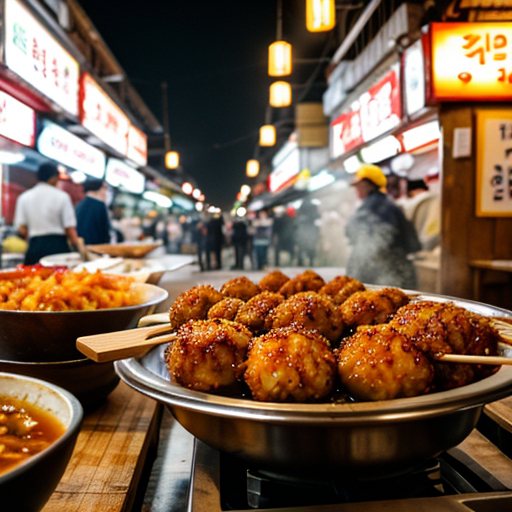
Korean street food is an entire culinary subculture. Walking through a bustling neighborhood like Myeongdong, Hongdae, or Gwangjang Market in the evening, your senses will be bombarded by sweet, savory, and spicy aromas drifting from small carts called pojangmacha.
Tteokbokki: The Chewy Chili Sensation
If you want to try something spicy, go for Tteokbokki. These are cylinder-shaped boiled rice cakes cooked in a thick, bright red, sweet and spicy sauce made from gochujang (fermented chili paste) and corn syrup. The texture is incredibly chewy—almost like a savory mochi. While it can be quite spicy for beginners, pairing it with a cup of hot Odeng broth helps soothe the heat instantly.
Odeng: Comfort in a Cup of Broth
Odeng (also known as Eomuk) consists of folded fish cake sheets threaded onto long wooden skewers and simmered in a light, savory broth seasoned with radish, kelp, and dried anchovies. When you buy a skewer, the vendor will hand you a small paper cup of the steaming hot broth for free. It is the ultimate comfort food, especially during Korea's chilly autumn and winter months.
Hotteok: The Sweet Cinnamon Lava
For dessert, search for Hotteok. This is a circular dough pocket stuffed with a mixture of dark brown sugar, cinnamon, and chopped nuts (like peanuts or sunflower seeds), then shallow-fried on a greasy griddle until the dough is golden-crisp and the inside melts into a sweet, syrupy lava. Be extremely careful when taking your first bite, as the hot syrup can easily burn your tongue!
Gyeran-ppang: Sweet and Salty Egg Bread
Another popular option is Gyeran-ppang, which translates directly to egg bread. This is a small, oblong loaf of sweet, vanilla-scented cake batter with a whole egg cracked inside, baked to golden perfection. The contrast between the sweet, spongy cake and the savory, salty yolk is absolutely genius.
What are the unspoken Korean table manners that foreign travelers often miss?
Never lift your rice bowl off the table while eating, wait for the oldest person at the table to pick up their utensils before you start dining, and use both hands when pouring or receiving drinks from someone else.
Table manners in South Korea are deeply rooted in Confucian values, emphasizing respect, community, and hierarchy. While locals are incredibly forgiving of foreigners, showing that you understand and respect their dining customs will win you immense warmth and respect.
The most common mistake western travelers make is lifting their rice bowl up to their mouth, as is common in Japan or China. In Korea, lifting your metal bowl off the table is traditionally considered bad manners, associated with beggars. Keep your rice bowl firmly on the table and use your long-handled spoon to eat from it.
Speaking of utensils, Korean chopsticks are unique: they are made of flat metal (stainless steel) rather than wood or bamboo. This makes them incredibly slippery and heavy for beginners. Take your time, and do not be embarrassed to ask for a fork if you are struggling. Just remember never to stick your chopsticks vertically straight up into a bowl of rice. This visual looks identical to incense sticks burned at traditional ancestral memorial ceremonies and is considered an omen of bad luck.
When it comes to drinking, never pour your own drink. It is customary to pour drinks for others at the table, and they will return the favor. When pouring or receiving a glass, always hold the bottle or your cup with two hands—or support your right forearm with your left hand as a sign of respect.
How much does a typical meal cost in Seoul right now?
Expect to pay between 8,000 to 12,000 KRW ($6 to $9 USD) for a highly filling single-portion meal like Bibimbap, Kimchi Jjigae, or Gukbap at local neighborhood diners called Bunsik-jeom.
Dining out in South Korea is surprisingly affordable compared to major Western cities. This is largely because side dishes (banchan) and water are always free, and taxes are already included in the menu price. Even better, there is absolutely no tipping culture in South Korea. If you try to leave cash on the table, the staff will run out of the restaurant to return it to you, thinking you accidentally forgot your money.
To help you budget your culinary adventures, here is a breakdown of what you can expect to pay for various dining experiences in 2025 and 2026:
| Dining Category | Typical Price Range (KRW) | Estimated Price (USD) | Example Dishes Included |
|---|---|---|---|
| Street Food Cart | 2,000 - 5,000 KRW | $1.50 - $3.80 | Hotteok, Odeng, Tteokbokki, Gyeran-ppang |
| Local Diner (Bunsik) | 7,000 - 11,000 KRW | $5.30 - $8.30 | Kimbap, Ramyeon, Kimchi Jjigae, Pork Cutlet |
| Casual Restaurant | 12,000 - 18,000 KRW | $9.00 - $13.50 | Bibimbap, Samgyetang (Ginseng Chicken Soup), Naengmyeon |
| Korean BBQ (Per Person) | 16,000 - 30,000 KRW | $12.00 - $22.50 | Samgyeopsal (Pork Belly), Galbi (Marinated Ribs) |
If you want to save money while eating incredibly well, look for small, unassuming basements or second-floor diners displaying pictures of their food. These are often family-run establishments serving home-style meals (Baekban) which include a bowl of rice, a warm soup, and up to six different side dishes for under 9,000 KRW.
Can vegetarians survive the Korean food scene without eating meat?
Yes, vegetarians can eat incredibly well by seeking out temple food restaurants, ordering customized Bibimbap without meat, or looking for tofu-specialty eateries.
At first glance, South Korea can seem like a nightmare for vegetarians and vegans. Pork, beef, and seafood are ubiquitous, and even vegetable side dishes like kimchi or spinach are almost always seasoned with fish sauce, anchovy broth, or tiny fermented shrimp.
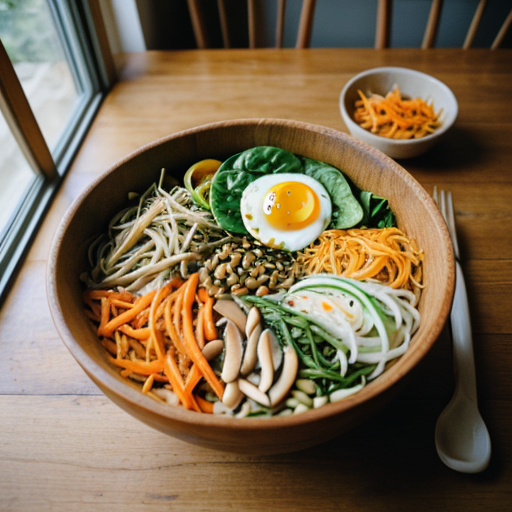
However, you can navigate this successfully with a bit of preparation. Your safest bet is Bibimbap (a bowl of warm rice topped with sautéed seasoned vegetables, chili paste, and a fried egg). Simply ask for it without meat: "Gogi eopsi hae juseyo" (Please make it without meat). If you are vegan, you can also ask to omit the egg: "Gyeran eopsi hae juseyo".
Another fantastic option is exploring Korean Buddhist Temple Cuisine (Sachal Eumsik). Because Buddhist monks practice strict vegetarianism, temple food restaurants are 100% vegetarian-friendly. They do not use meat, fish, or even five pungent herbs (garlic, green onions, wild chives, leeks, and onions) that are believed to distract the mind during meditation. Instead, they rely on wild mountain herbs, mushrooms, and ancient fermentation techniques, offering a deeply clean, complex, and spiritual dining experience.
Additionally, look for restaurants specializing in handmade tofu (Sundu-bu). A boiling pot of Soft Tofu Stew (Sundubu Jjigae) made with a vegetable or water base instead of the standard seafood broth is an absolute game-changer. The silky texture of fresh tofu pairs beautifully with a steaming bowl of purple rice.
How should you start your culinary journey?
Begin your food adventure by downloading helpful mobile apps like Naver Map (Google Maps does not work well for navigation in South Korea) and Catch Table (for making restaurant reservations). Do not be afraid to point at menu pictures or mimic how locals are eating around you. Every meal in Korea is a celebration of community, sharing, and deep flavors, and taking that first bite is the best way to truly connect with the country's rich culture. What dish are you most excited to try first?