Why Korean Cafes Are Different: The Secret Culture That Changed How We Drink Coffee
목차
- The First Time I Stepped Into a Seoul Cafe
- The Aesthetic Revolution: More Than Just Coffee
- The Concept-First Strategy
- Comparison Table: Coffee Culture Perspectives
- The Menu Evolution: Where Dessert Meets Art
- Why Korean Cafes Are Different: The Socio-Economic Factor
- The Efficiency of 'Pali-Pali' vs. The Culture of Lingering
- How to Bring a Bit of This Magic to Your Own Business
- Frequently Asked Questions (FAQ)
- The Bottom Line
The First Time I Stepped Into a Seoul Cafe
I remember landing in Seoul, exhausted from a fourteen-hour flight. I just wanted a quick caffeine fix. I walked into the first shop I saw, expecting a standard, sterile corporate coffee experience. What I got instead felt like stepping into a curated art gallery that also happened to serve the best latte of my life. To be honest, it wasn’t just about the caffeine; it was about the atmosphere.
That is the reality of why Korean cafes are different. In many parts of the world, a cafe is a place to grab a drink and dash. In this country, the cafe is a lifestyle. It’s an extension of the living room, a professional co-working space, and a high-fashion runway all rolled into one.
The Aesthetic Revolution: More Than Just Coffee
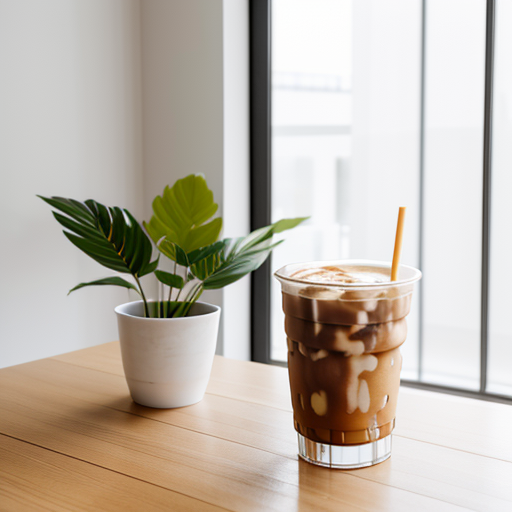
Here’s the thing: visual appeal is not an afterthought in this market; it is the primary product. While Western shops often focus on speed and efficiency, local business owners in Seoul spend months obsessing over every single texture, lighting fixture, and furniture placement. They understand that today’s patrons aren't just buying a drink—they are buying a backdrop for their digital lives.
The Concept-First Strategy
I’ve seen this happen firsthand—a cafe designed entirely around the theme of a retro-futuristic laboratory, or one that looks exactly like a traditional architectural ruin. It’s not just 'pretty'; it’s an immersive experience. This focus on space-making is a huge reason why Korean cafes are different compared to the functionalist designs we see in Europe or North America.
Comparison Table: Coffee Culture Perspectives
| Feature | Standard Western Cafe | Typical Korean Cafe |
|---|---|---|
| Primary Purpose | Convenience/Takeout | Socializing/Content Creation |
| Interior Design | Utilitarian | High-Concept/Thematic |
| Seating Duration | Short-term | Long-term (Hours) |
| Menu Variety | Coffee-focused | Coffee + Elaborate Desserts |
The Menu Evolution: Where Dessert Meets Art
If you think a croissant is just a croissant, you haven’t seen the pastry cases in a boutique shop in Mapo-gu. These aren't just baked goods; they are architectural feats. After analyzing multiple cases of cafe success, I’ve found that the secret ingredient is the 'Instagrammability' of the food. It’s not just about taste anymore; it’s about the sheer visual delight of the plate.
"The cafe isn't a place where you go to get caffeine; it's a social anchor. In a high-density urban environment, these spaces are where lives intersect." — Industry Insight 2025
Why Korean Cafes Are Different: The Socio-Economic Factor
Let me explain why this trend exploded. In many of the world's most crowded cities, apartments are notoriously small. When you live in a tiny studio, your apartment isn't exactly the perfect place to host a study group or a first date. Enter the local cafe. It functions as the 'third space'—a home away from home where you can linger for hours with just one cup of iced Americano.
The Efficiency of 'Pali-Pali' vs. The Culture of Lingering
It’s an interesting paradox. The society is famous for the 'pali-pali' (hurry-hurry) culture, yet, once people step into a cafe, the clock seems to stop. It’s a deliberate rejection of the fast-paced world outside. This balance is exactly why why Korean cafes are different; they provide a sanctuary from the high-pressure environment that defines the country's work culture.

How to Bring a Bit of This Magic to Your Own Business
If you’re a small business owner looking to capture some of this magic, don't just copy the decor. Focus on these three pillars:
- The Threshold Moment: What do people see when they first walk in? Is it an immediate 'wow'?
- Sensory Depth: It's not just visual. The music volume, the scent of the beans, and the chair comfort matter.
- Signature Innovation: Create one item that is visually iconic. People should want to take a photo of it before they take a bite.
What does this mean for you? It means that if you want to compete, you have to stop selling 'coffee' and start selling 'a feeling'.
Frequently Asked Questions (FAQ)
- Why do they love Iced Americanos so much?
It’s the perfect, low-calorie, consistent fuel for a culture that works long hours and values efficiency. It's the ultimate 'functional' drink.
- Can I stay in a cafe for hours without buying more?
Generally, yes. It is culturally acceptable to study or work for several hours, provided the cafe isn't packed and you have ordered at least one item.
- Are the prices high?
They can be. You aren't just paying for the coffee; you are paying for the electricity, the Wi-Fi, the air conditioning, and the premium interior design.
- Is the coffee quality actually better?
In many cases, yes. The third-wave coffee movement is very strong, and the standard for bean sourcing and roasting has skyrocketed in the last decade.
- What is 'Cafe Hopping'?
It’s a popular hobby where groups of friends visit 3–4 different cafes in one afternoon to try unique drinks and take photos at each location.
The Bottom Line
So, why Korean cafes are different? They succeed because they understand human psychology. They provide beauty in a world that is often gray, and they provide community in a world that is increasingly lonely. As someone who has spent significant time studying these spaces, I believe the rest of the world is finally catching up.
Have you ever been to a cafe that felt like an entire world of its own? Tell me about your favorite coffee spot in the comments below! I’d love to hear what makes it special to you.
For further reading on global hospitality trends, I highly recommend checking out industry reports from the Specialty Coffee Association or analyzing the architectural design archives of major lifestyle magazines.