What Foreigners Should Never Do in Korea: The Ultimate Cultural Survival Guide
목차
Navigating the Unspoken Rules of Korea
I remember walking down the bustling streets of Myeongdong on my first trip to the peninsula years ago. I was hungry, excited, and completely oblivious. I accidentally stepped into a queue meant for a bus, pushed past an elderly gentleman, and started eating my street food while walking at a brisk pace. The looks I received weren't aggressive, but they were definitely confused and disappointed. That was my first lesson: what foreigners should never do in Korea is often about small, subtle shifts in behavior that respect the communal harmony of the country.
After living and working here for several years, I've realized that Korea is a society built on layers of unspoken rules. While locals are incredibly forgiving toward tourists, knowing the cultural boundaries can turn a standard vacation into a deeply immersive and respectful experience. Let’s dive into the absolute no-gos.
1. The Golden Rule of Public Transport
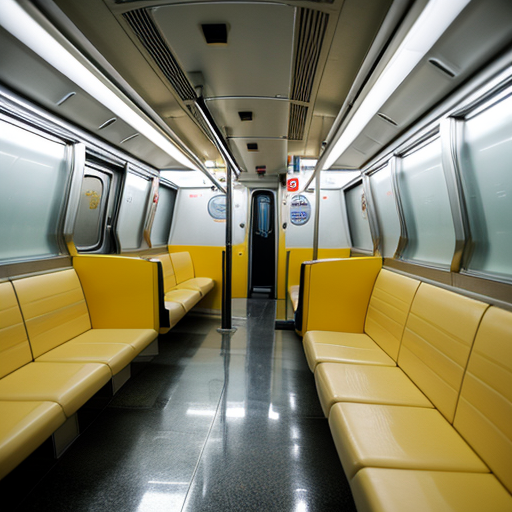
To be honest, the subway system here is a marvel, but it has a rhythm you need to follow. One thing you should never do is sit in the priority seats. You’ll see them at the end of every car, often marked with bright colors. These are reserved for the elderly, pregnant women, and the disabled. Even if the car is packed and those seats are empty, keep standing. It’s not just a suggestion; it’s a societal expectation. Here is the thing: if you sit there, you are silently signaling a disregard for the hierarchy of respect that forms the backbone of Korean culture.
2. Don’t Tip (Yes, You Read That Right)
Coming from North America or parts of Europe, you’re probably programmed to leave 15-20% at the end of a meal. In Korea, you should never tip. In fact, if you try to hand extra cash to a server, they might chase you out the door to return it, thinking you forgot your change. Tipping is not part of the culture, and leaving money behind can actually cause confusion. If you want to show appreciation, a simple 'thank you' (the standard Korean phrase for 'I ate well') as you leave goes a long way.
Dining Etiquette: A Deeper Look
- Never stick your chopsticks vertically in a bowl of rice. It looks like the incense sticks used at funerals.
- Don't start eating until the eldest person at the table picks up their spoon. It’s a sign of patience and respect.
- Always use both hands when receiving a drink or handing over money.
3. The Loudness Threshold
If you've spent time in Western cities, you’re used to chatting loudly on the phone while riding the bus. In Korea, this is a major social faux pas. Public transport is considered a quiet space. Talking loudly on your phone is seen as disruptive and selfish. If you absolutely must take a call, keep your voice to a whisper or wait until you step off the train. I’ve seen this happen dozens of times: a tourist starts a FaceTime call on the subway, and the entire car visibly recoils. Keep it low-key, and you’ll blend in much better.
| Scenario | What to Avoid | The Better Approach |
|---|---|---|
| Subway/Bus | Talking on phone | Texting or quiet conversation |
| Dining | Tipping staff | Thanking the staff verbally |
| Escalators | Standing on the left | Standing on the right |
4. Shoes: The Indoor Boundary
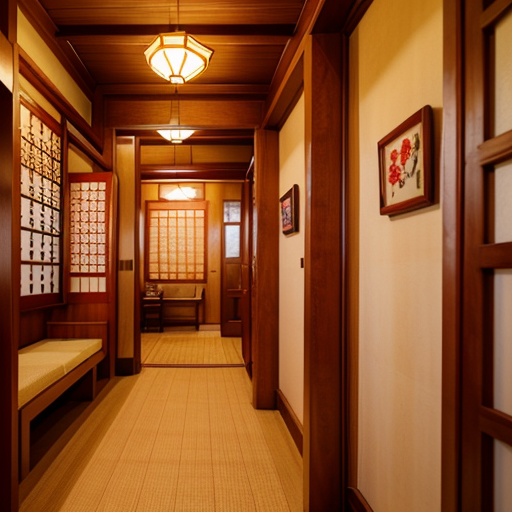
This is a big one. As someone who has worked with many expats moving to Seoul, the most common mistake is forgetting to take off their shoes. Whether you are entering a traditional guesthouse, a gym, or someone’s home, look for the 'shoes-off' area near the entrance. If you see a cluster of slippers or an elevated entryway, do not step onto the floor with your street shoes. It’s considered unhygienic and disrespectful.
5. Don’t Ignore the Hierarchy
This is the most complex part of Korean life. Whether you’re dealing with a taxi driver or a business client, age and status play a massive role. You don't have to follow it perfectly as a foreigner, but acknowledging it helps. Never try to rush an older person or speak to them in a casual tone initially. Keep your interactions polite and professional. It’s not about being submissive; it’s about acknowledging the value of experience in their culture.
What Does This Mean for You?
It means that you have the power to change how locals view your home country. By being aware of what foreigners should never do in Korea, you aren't just avoiding embarrassment—you’re showing a level of cultural intelligence that is highly respected here. When I see travelers following these rules, I notice they get much better service, friendlier interactions, and a deeper connection with the people they meet.
FAQs: Your Burning Questions Answered
1. Is it really rude to eat while walking?
In older generations, yes. It looks rushed and chaotic. While younger people do it, it's safer to stand still by a food stall to finish your snack.
2. Can I point at people?
Try not to. Pointing with your index finger is considered aggressive. Use your whole hand to gesture towards something or someone.
3. Should I bow all the time?
You don't need to overthink it. A slight nod is sufficient for store clerks or strangers. Don't worry about being perfect; the effort is what counts.
4. Why is the left side of the escalator empty?
In Korea, standing on the right is the standard. The left side is reserved for people who are in a hurry and want to walk up. Always keep to the right!
5. Is it okay to refuse a drink?
If you don't drink alcohol, simply say so politely. Nobody will force you, but declining with a smile is much better than a blunt refusal.
Have you ever had a 'cultural oops' moment while traveling abroad? I’d love to hear your story in the comments below! Let’s keep the conversation going—what other cultural norms have surprised you lately?
Related Reads: Top 10 Essential Korean Phrases for Tourists and How to Navigate Seoul's Public Transport Like a Pro.