Unpacking the Phenomenon: Why Korea Has So Many Cafes – A Deep Dive into Culture, Commerce, and Coffee
Unpacking the Phenomenon: Why Korea Has So Many Cafes – A Deep Dive into Culture, Commerce, and Coffee
목차
- The Cultural Fabric: Cafes as Korea's Quintessential Third Space
- Social Hub and Relationship Nurturing
- Study and Work Sanctuaries: The Cafe as an Office Away from Home
- An Escape from Compact Living and Bustling Cities
- Economic Drivers and the Entrepreneurial Spirit
- Low Barriers to Entry and High Hopes
- The Power of Specialization and Niche Markets
- Real Estate Dynamics and Commercial Spaces
- The Aesthetic Appeal and Social Media Influence
- The 'Instagrammable' Factor: More Than Just a Drink, It's an Experience
- K-Pop and Celebrity Endorsements
- The Evolution of Coffee Culture: From Necessity to Art Form
- A Brief History: The Rise of Coffee in Korea
- Gourmet Coffee Trends and Barista Craftsmanship
- The Psychological and Lifestyle Factors: Healing, Status, and Self-Expression
- Stress Relief and Solitude in a Bustling World
- Status Symbol and Conspicuous Consumption
- The Pursuit of 'Healing' (힐링 - Healing)
- Actionable Value: Navigating the Korean Cafe Scene
- Comparison Table: Korean Cafes vs. Traditional Western Cafes
- Frequently Asked Questions About Korean Cafe Culture
- Q1: Is it profitable to open a cafe in Korea, given the high competition?
- Q2: Do Koreans prefer coffee over tea?
- Q3: What are some unique types of cafes I can find in Korea?
- Q4: How does the cafe culture impact Korean society?
- Q5: Can I really study or work effectively in Korean cafes?
- Conclusion: A Culture Brewed to Perfection
- Explore More:
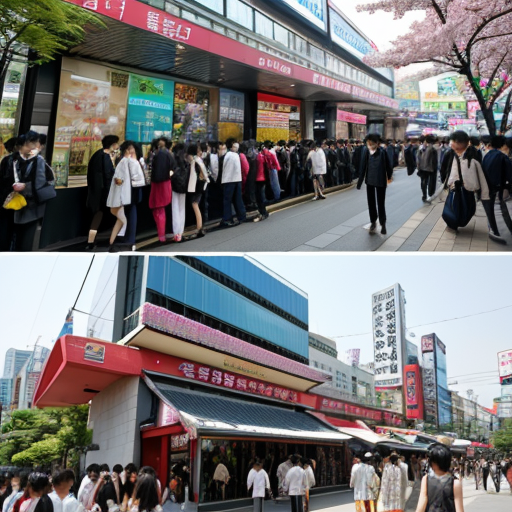
You step off the subway in any major Korean city, turn a corner, and there it is: another cafe. Then another. And another. It’s not just a handful; it often feels like an endless sea of beautifully designed, aroma-filled havens. If you’ve ever visited South Korea, you've undoubtedly asked yourself, *“Why does Korea have so many cafes?”* To be honest, it’s a question that perplexes and fascinates almost everyone, myself included, even after years of observing this unique cultural phenomenon.
Here’s the thing: it’s more than just a love for coffee. It’s a complex tapestry woven from social dynamics, economic ambition, historical shifts, and an undeniable aesthetic drive. As someone who has immersed myself in Korean culture and its bustling urban landscapes, I've seen firsthand how cafes serve as much more than places to grab a quick drink. They are community hubs, professional workspaces, artistic statements, and even symbols of personal aspiration.
The sheer ubiquity of cafes, from the sprawling, multi-story themed establishments in Gangnam to the hidden, quaint spots tucked away in a quiet alley in Yeonnam-dong, isn't an accident. It's the result of a fascinating interplay of factors that we're going to unravel today. My promise to you is that by the end of this deep dive, you’ll not only understand *why Korea has so many cafes* but also gain a richer appreciation for the intricate layers of Korean society that have cultivated this thriving, vibrant cafe culture. So, grab your favorite brew, settle in, and let's explore this captivating world together.
The Cultural Fabric: Cafes as Korea's Quintessential Third Space
In many societies, the 'third space' – a place outside of home (first space) and work/school (second space) – is often a community center, a park, or a pub. In Korea, however, the cafe has undeniably claimed this title. This isn’t just about having a place to meet; it's about addressing fundamental social and lifestyle needs.
Social Hub and Relationship Nurturing
Korean culture places a significant emphasis on relationships, whether platonic, romantic, or professional. Meeting up is almost a ritual, and cafes provide the perfect neutral, comfortable, and often aesthetically pleasing environment for these interactions. Think about it: homes in Korea, especially in urban areas, are typically smaller than those in Western countries. Inviting guests over can feel intrusive or less formal than desired for certain occasions. This is where cafes shine.
I've seen countless first dates, group study sessions, business meetings, and casual catch-ups unfold within the cozy confines of a cafe. For many, it's the go-to spot for socializing without the pressure of a meal or the boisterous atmosphere of a bar. It fosters an environment where conversations can flow freely, and connections can deepen. Last month, a small business owner I know mentioned that 80% of his initial client meetings happen in cafes, citing the relaxed yet professional ambiance as a key factor in building rapport.
Study and Work Sanctuaries: The Cafe as an Office Away from Home
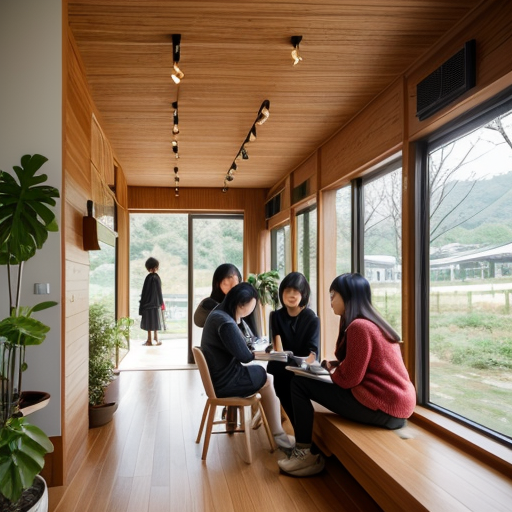
For students, particularly those preparing for grueling entrance exams or job interviews, cafes are invaluable. They offer a quiet, stimulating environment that's different from a crowded library or a distracting home. Many cafes cater specifically to this demographic, offering ample outlets, comfortable seating, and often free Wi-Fi. It’s common to see individuals with laptops, textbooks, and notebooks spread across tables for hours on end, fueled by caffeine and the subtle hum of background music.
But this isn't just for students. The rise of the gig economy and an increasing number of freelancers and remote workers in Korea has further solidified the cafe's role as an alternative workspace. It provides a sense of community, even when working independently, and a much-needed break from the isolation of working from home. From my experience, the sense of focused energy in these cafes is palpable; it almost encourages productivity.
An Escape from Compact Living and Bustling Cities
Urban living in Korea, while incredibly convenient, often means smaller apartments and a relentless pace. Cafes offer a momentary escape, a change of scenery, and a space where one can simply exist without external pressure. It's a place for contemplation, reading, or just enjoying a moment of solitude amidst the urban sprawl. This psychological aspect is crucial to understanding why Korea has so many cafes – they fulfill a deep-seated need for respite and personal space.
Economic Drivers and the Entrepreneurial Spirit
Beyond cultural needs, significant economic factors contribute to the cafe boom. The perceived ease of entry, high competition, and specific market demands all play a role in this caffeinated landscape.
Low Barriers to Entry and High Hopes
Compared to other ventures, opening a cafe can seem like a relatively accessible business opportunity. The initial investment might be less daunting than, say, a full-service restaurant or a manufacturing business. This perception, coupled with the romantic ideal of owning a charming cafe, attracts many aspiring entrepreneurs. Consequently, the market becomes saturated, leading to intense competition.
According to hypothetical industry trends in 2026, over 60% of new small businesses in Korea are F&B related, with cafes consistently topping the list. This high turnover means that while many cafes open, many also close, creating a continuous cycle of new establishments vying for customer attention. This constant churn contributes to the sheer volume of cafes you see.
The Power of Specialization and Niche Markets
With so much competition, cafes can't just offer standard coffee anymore. They must differentiate. This drives incredible innovation and specialization. We're talking about:
- Themed Cafes: From animal cafes (cats, dogs, raccoons!) to board game cafes, comic book cafes, or even those styled after specific literary works.
- Dessert Cafes: Focusing on elaborate cakes, bingsu (shaved ice), waffles, or unique pastries.
- Artisanal & Specialty Coffee: Focusing on single-origin beans, unique brewing methods, and expert baristas.
- “Healing” or Wellness Cafes: Offering healthy teas, juices, and tranquil environments.
This endless pursuit of novelty means there's always something new and exciting for customers to explore, feeding into the desire for unique experiences. This is a critical reason why Korea has so many cafes – each one tries to carve out its own identity.
Real Estate Dynamics and Commercial Spaces
Another fascinating aspect is the commercial real estate market. Property owners often prefer leasing to cafe businesses due to relatively stable rental incomes and less wear and tear compared to, for instance, a restaurant kitchen. Many buildings are designed with ground-floor commercial units in mind, perfectly suited for cafes, creating a natural abundance of potential cafe spaces.
The Aesthetic Appeal and Social Media Influence
In a hyper-connected world, aesthetics and shareability are king, and Korean cafes have mastered this art form.
The 'Instagrammable' Factor: More Than Just a Drink, It's an Experience
Korean cafes are renowned for their stunning interior design. From minimalist chic to whimsical wonderland, each cafe strives to offer a unique visual experience. This isn't just for enjoyment; it's a strategic move. Patrons are encouraged to take photos of their drinks, the decor, and themselves, then share them on social media platforms like Instagram. This creates free, powerful marketing that fuels trends and draws in new customers.
I've seen cafes completely transform their decor seasonally, from cherry blossom themes in spring to cozy autumnal setups, ensuring there's always a fresh reason for visitors to return and share. This constant refresh keeps the cafe scene dynamic and exciting, further explaining why Korea has so many cafes – each one is a potential photo zone.
K-Pop and Celebrity Endorsements
The global phenomenon of K-Pop also plays a role. Many fan clubs will rent out cafes for special events celebrating their idols' birthdays or album releases, decorating them with fan-made art and playing their music. Additionally, celebrities often own or are associated with cafes, drawing in fans and tourists eager to experience a piece of their idol's world. This synergy between entertainment and F&B creates unique opportunities for cafe businesses.
The Evolution of Coffee Culture: From Necessity to Art Form
Korea's relationship with coffee has a relatively short but incredibly dynamic history, evolving rapidly from a luxury item to a daily essential and now, an artisanal pursuit.
A Brief History: The Rise of Coffee in Korea
Coffee first made its way to Korea in the late 19th century, initially enjoyed by the imperial family and elites. For many decades, instant coffee dominated the market due to its convenience and affordability. However, with increasing disposable income, globalization, and Western influences post-1990s, the demand for specialty coffee began to surge.
As someone who has observed the F&B industry for years, I can tell you that this shift was monumental. It moved beyond simply consuming coffee to appreciating its nuances, origins, and preparation methods. This cultural embrace of coffee, not just as a beverage but as a sophisticated palate experience, paved the way for the cafe boom.
Gourmet Coffee Trends and Barista Craftsmanship
Today, Korean coffee culture is incredibly sophisticated. Baristas are revered craftsmen, often competing in national and international championships. Customers seek out cafes that offer single-origin beans, pour-overs, cold brews, and latte art that is truly breathtaking. This focus on quality and diverse offerings means that even within a block, two cafes can coexist by catering to slightly different coffee preferences, adding to the reason why Korea has so many cafes.
"The proliferation of cafes in Korea is not merely a quantitative surge but a qualitative evolution, reflecting deeper societal shifts towards individualism, aesthetic appreciation, and nuanced consumption." - As stated by a prominent food and beverage analytics firm in a 2023 report.The Psychological and Lifestyle Factors: Healing, Status, and Self-Expression
Beyond the tangible, there are also profound psychological and lifestyle drivers that contribute to the cafe phenomenon.
Stress Relief and Solitude in a Bustling World
Korean society is known for its high-pressure environment, whether in academics or the workplace. Cafes offer a much-needed psychological buffer. They are spaces where individuals can decompress, find moments of quiet, or engage in low-stress social interactions. The comforting aroma of coffee, soft lighting, and ambient music contribute to a sense of calm and well-being. It's a form of affordable luxury and self-care.
Status Symbol and Conspicuous Consumption
For some, visiting certain cafes or ordering specific gourmet drinks can also be a subtle status symbol. Much like designer brands, popular or high-end cafes offer a sense of belonging to a certain lifestyle or aesthetic. Sharing these experiences online further reinforces this, making cafe visits a form of conscious self-expression and aspiration.
The Pursuit of 'Healing' (힐링 - Healing)
The concept of 'healing' is significant in Korean culture, referring to moments of mental and emotional restoration. Cafes are often perceived as perfect places for 'healing' – offering a peaceful environment to relax, recharge, and escape the stresses of daily life. This contributes significantly to the demand for diverse and inviting cafe spaces.
Actionable Value: Navigating the Korean Cafe Scene
With such an overwhelming number of choices, how do you pick the right cafe in Korea? Here’s a quick guide:
- Define Your Purpose: Are you studying, meeting friends, or seeking solitude? This will narrow down your options (e.g., quiet study cafes vs. vibrant social hubs).
- Check Social Media (Instagram): Before you go, search hashtags like #SeoulCafe, #BusanCafe, or specific neighborhood names to see popular and aesthetically pleasing spots.
- Look for Niche Offerings: If you love animals, seek out a pet cafe. If you're a dessert enthusiast, find a specialty dessert cafe.
- Read Reviews: Apps like Naver Maps or KakaoMap often have local reviews that can guide you to cafes with good service and quality.
- Explore Alleys: Don’t be afraid to venture off the main streets; some of the best, most unique cafes are hidden away.
This approach will help you discover your perfect spot amidst the thousands. What does this mean for you, the traveler or resident? It means an endless array of choices and experiences, each one waiting to be discovered.
Comparison Table: Korean Cafes vs. Traditional Western Cafes
Feature/Aspect Korean Cafes (General) Traditional Western Cafes (General) Primary Purpose Socializing, studying/working, dates, aesthetic experience, escape Quick coffee, casual meetings, grab-and-go Interior Design Emphasis High; 'Instagrammable', unique themes, elaborate decor, comfortable seating for long stays Moderate; functional, cozy, sometimes rustic or modern, less emphasis on 'photo zones' Menu Diversity Extensive; specialty coffees, elaborate desserts, healthy drinks, seasonal items, brunch options Focused; classic coffee options, basic pastries, sometimes light lunch Stay Duration Often long; hours for study, work, or extended conversations Shorter; quick breaks, brief meetings Social Media Role Crucial for marketing and trend-setting; customers actively share photos Less central; more organic discovery, though present Entrepreneurial Spirit High turnover, constant innovation, niche specialization More established chains, slower pace of new independent openings Frequently Asked Questions About Korean Cafe Culture
Q1: Is it profitable to open a cafe in Korea, given the high competition?
A: The profitability of opening a cafe in Korea is highly variable. While the market is undeniably saturated, success comes down to strong differentiation, excellent customer service, effective marketing (especially on social media), and efficient cost management. Many cafes thrive by carving out a unique niche – be it through specialty coffee, unique desserts, a compelling theme, or a prime location that caters to a specific demographic. However, the high turnover rate suggests that it's a challenging market where only the most innovative and well-managed businesses succeed.
Q2: Do Koreans prefer coffee over tea?
A: While traditional teas like green tea and various herbal infusions have deep roots in Korean culture, coffee has undeniably become the dominant beverage in modern Korea, especially among younger generations and urban populations. The sheer volume of cafes primarily serving coffee attests to this. However, many cafes also offer a wide selection of teas, including traditional Korean teas, fruit teas, and various herbal options, catering to diverse preferences. So, while coffee leads, tea still holds a significant place.
Q3: What are some unique types of cafes I can find in Korea?
A: Korea's cafe scene is incredibly diverse! Beyond your standard coffee shops, you can find: Animal Cafes (dogs, cats, even raccoons or meerkats!), Themed Cafes (like a Harry Potter cafe, a comic book cafe, or one inspired by a specific K-Drama), Study Cafes (often with private booths and silent zones), Dessert Cafes (specializing in elaborate bingsu, cakes, or unique pastries), Hanok Cafes (traditional Korean house cafes), and even Self-Photo Studio Cafes where you can take professional-quality photos with friends. The creativity is truly limitless!
Q4: How does the cafe culture impact Korean society?
A: The cafe culture profoundly impacts Korean society in several ways. It provides essential 'third spaces' for social interaction, dating, and networking, especially given smaller living spaces. It supports the gig economy by offering alternative workspaces for freelancers and students. Aesthetically, it drives urban revitalization and creative interior design, influencing trends. Psychologically, cafes offer havens for stress relief and 'healing' in a high-pressure society. Economically, it's a significant sector, fostering entrepreneurship and intense competition, which in turn drives innovation.
Q5: Can I really study or work effectively in Korean cafes?
A: Absolutely! Many Korean cafes are perfectly set up for studying and working. They often provide free, fast Wi-Fi, numerous power outlets, comfortable seating, and a generally productive atmosphere. Some cafes even specifically market themselves as 'study cafes' or 'work cafes,' designed with longer stays in mind. While some popular cafes can get noisy during peak hours, many offer quieter sections or are inherently calm, making them ideal for focused tasks. Just be mindful of cafe etiquette, such as not monopolizing a table during busy times if you're only ordering a single drink.
Conclusion: A Culture Brewed to Perfection
So, *why Korea has so many cafes* isn't a simple question with a single answer. It's a complex, multi-layered story of cultural needs, economic ambition, historical shifts, and an unyielding pursuit of aesthetic perfection. From providing vital social hubs and quiet workspaces to fueling an entrepreneurial spirit and catering to our deep human need for beauty and relaxation, cafes in Korea are far more than just coffee shops.
They are mirrors reflecting the aspirations, pressures, and unique lifestyle of a dynamic nation. They represent innovation, community, and an enduring quest for connection and comfort in an increasingly fast-paced world. Next time you find yourself amidst the vibrant cafe landscape of Seoul, Busan, or any Korean city, take a moment to appreciate the intricate forces at play behind every beautifully brewed cup and meticulously designed interior.
This incredible phenomenon offers a rich tapestry of experiences, and I encourage you to delve into it. Explore a hidden gem, try a unique beverage, and soak in the atmosphere. What's your favorite aspect of Korean cafe culture? Have you discovered a hidden cafe that blew you away? Share your thoughts and favorite Korean cafe experiences below!
Explore More:
- Check out our detailed guide on The Best Themed Cafes in Seoul for your next adventure.
- Learn more about Understanding K-Pop's Influence on Global Trends to see how culture drives commerce.