The Unseen Rituals of a Korean Convenience Store Lunch Break
목차
The Anatomy of the Modern Korean Lunch Break
In the high-pressure landscape of South Korean cities, the Korean convenience store lunch break is more than a quick stop for a sandwich. It is a refined, high-speed ritual—a masterclass in efficiency, social autonomy, and creative culinary engineering that exists nowhere else in the world.
Whether you are a busy office worker in Seoul or a traveler looking to save time, understanding these rituals allows you to navigate the aisles like a local rather than a bewildered tourist.
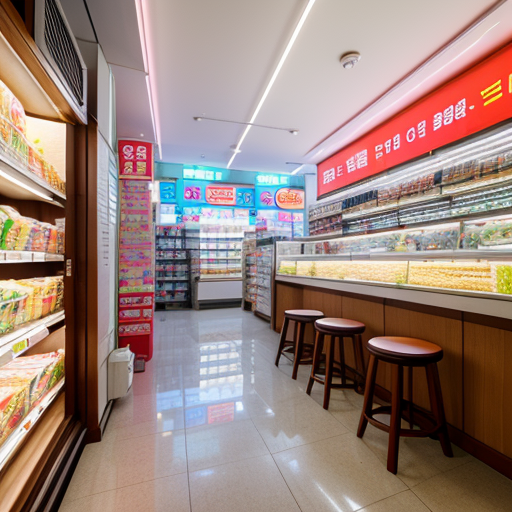
The Architecture of the 'Convenience Meal'
Korean convenience stores, or pyeon-ui-jeom, are optimized for the solo diner. Unlike Western counterparts where options are often limited to pre-packaged sandwiches, these stores provide a fresh, modular landscape for a meal.
- The Steam-Table Strategy: Don't just look for cold items. Most stores feature a hot bar or a microwave section where pre-packed dosirak (bento boxes) can be heated to the perfect temperature.
- Modular Pairings: The goal is to combine a salty base (like a spicy pork rice bowl) with a cooling liquid (like iced Americano or a fermented drink) to balance the palate.
- Table Etiquette: Many stores feature window-facing bar seating. This provides a private, quiet space to eat while observing the city pulse, effectively turning a quick meal into a meditative practice.
Creative Culinary Engineering
The most fascinating aspect of a Korean convenience store lunch break is the willingness to modify ingredients. It is common to see patrons "hacking" their meal by adding melting cheese to instant noodles (ramyeon) or creating a custom rice ball by combining ingredients from two different items.
True efficiency in a Korean convenience store comes from knowing exactly which aisle holds the spicy kimchi, which shelf keeps the seaweed snacks, and how long to microwave your ramen for the perfect chew.
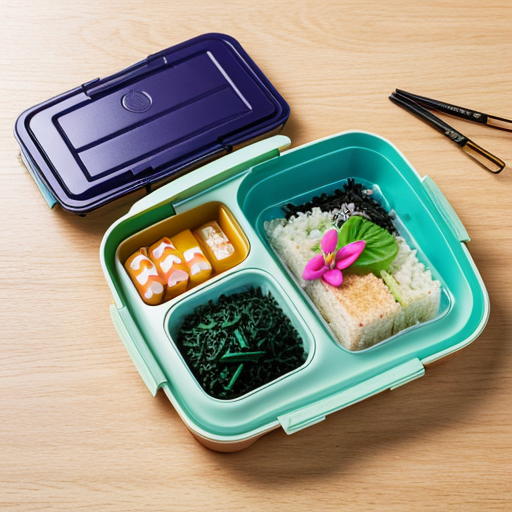
Mastering the Workflow
If you want to experience this ritual like a seasoned professional, follow this sequence:
- Assess the Hot Food: Check the cooler first for fresh rice sets before heading to the noodle wall.
- The Liquid Balance: Always grab a drink. Whether it's a carton of banana milk or a chilled drip coffee, the drink is the cornerstone of the meal's profile.
- The Utensil Check: Even if your meal includes a plastic fork, grab a pair of wooden chopsticks—they are standard for a reason and vastly improve the experience of eating rice and sides.
- The 'Cleanup' Ritual: Never leave your mess. The sorting bins in Korean convenience stores are meticulous; separating plastics, paper, and food waste is a non-negotiable social contract.
Have you ever tried to "hack" a convenience store meal, and if so, what was your most successful combination?
Frequently Asked Questions
Is it acceptable to sit in the store to eat my meal?
Yes, it is standard practice. Most modern convenience stores in Korea are designed with small dining counters specifically for customers eating their meals on-site.
Are these meals healthy?
While often higher in sodium, these meals are highly diverse. By choosing dosirak that includes vegetables and lean proteins, you can maintain a balanced diet during a busy workday.
How do I handle the microwave?
Most stores have microwaves available for public use. Always check if the plastic film needs to be peeled back before heating, and observe the store's suggested microwave time—usually printed on the label.
Embracing the Korean convenience store lunch break is about finding peace in the middle of a frantic day. It’s an efficient, reliable, and deeply satisfying tradition that bridges the gap between fast food and home-cooked comfort.