The Unseen Rhythm of 'Jeong': How Deep-Rooted Affection Shapes Korean Relationships and Community
The Invisible Thread
A few weeks ago, I was at a local gimbap shop, just grabbing a quick lunch. The owner, an older woman I’d only spoken to a handful of times, noticed I looked a bit worn out from a long week. Without a word, she slid an extra side of kimchi onto my tray and muttered, “Eat up, you look thin.” It wasn't a transaction; it was a quiet, visceral expression of Jeong.
If you’ve spent any time in Korea, you’ve likely felt this. It’s not quite love, not quite friendship, and definitely not pity. It is something deeper—a sticky, enduring sense of emotional attachment that lingers long after a conversation ends.

Defining the Undefinable
Attempting to translate Jeong is like trying to describe the smell of rain—everyone knows it, but the definition is slippery. At its core, it’s a profound social glue. It’s the reason why your neighbor might share half their dinner with you, or why long-time colleagues keep tabs on your parents' health years after working together.
Unlike Western concepts of individualism, which prioritize personal boundaries, this rhythm of life is built on overlap. It assumes we are responsible for one another’s emotional landscape. When you share Jeong with someone, you’ve essentially signaled that you’re “in it” with them for the long haul.
The Double-Edged Nature of Connection
Of course, this isn't always sunshine and rainbows. Because it creates such a heavy sense of communal obligation, it can sometimes feel suffocating. It’s the reason why saying “no” in a Korean context is so much more difficult than in, say, a professional setting in London or New York. To reject a request from someone with whom you share this bond feels like a betrayal of the foundation itself.
- It’s cumulative: It isn’t built in a day; it’s earned through repeated interactions.
- It’s non-transactional: If you keep a strict tally of who owes whom, you aren’t doing it right.
- It’s observant: You notice the small details—the favorite coffee, the way someone takes their tea—because you actually care.
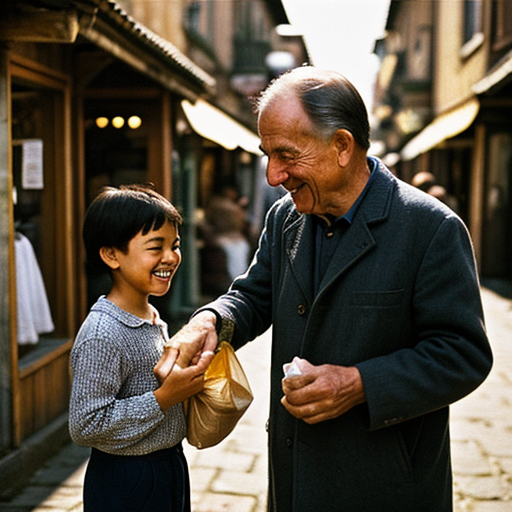
How to Cultivate It
I often get asked if foreigners can ever truly participate in this, or if it’s an exclusive cultural club. My answer? It’s entirely about presence. You cultivate this kind of depth by showing up consistently. Don't worry about grand gestures; the magic is in the “extra.”
Think about the person at the grocery store or the barista you see every morning. Instead of rushing through the transaction, take that extra two seconds to ask how their day is going, or acknowledge their effort. When you move from being a “customer” to being a “person” in their eyes, you’re planting the seeds of Jeong.
A Different Kind of Community
I often wonder what our modern, digital-first world loses by trading this proximity for convenience. When we optimize our lives to avoid “unnecessary” social friction, we also cut ourselves off from the surprising warmth that comes from accidental, routine connections. Have you ever felt that specific, sudden warmth from a stranger that made you realize you weren't as alone as you thought?

Ultimately, this isn't a rulebook or a social strategy. It’s an invitation to treat people as if they belong to you, and to allow them to do the same in return. It’s the invisible rhythm that keeps the heart of the community beating, long after the business of the day has finished.