The Subtle Art of Banchan: Deciphering the Side Dish Saga on a Korean Dining Table
The Unspoken Hierarchy of the Table
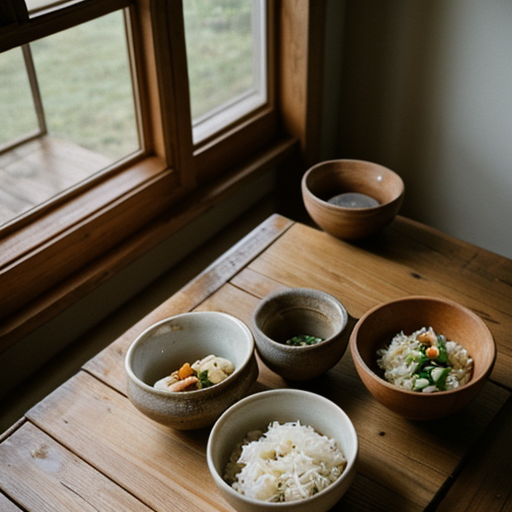
Whenever I take friends out for Korean BBQ or a traditional meal, the first thing they do is reach for their phones the moment the table starts filling up. It’s impossible not to—those tiny porcelain plates descending like a colorful, organized landing party. But beyond the aesthetics, there is a profound rhythm to the subtle art of banchan that often gets overlooked by newcomers.
It’s not just a collection of snacks. It’s an ecosystem. In my own kitchen, I’ve realized that preparing these sides requires a completely different mindset than cooking the main protein. You aren't just making dinner; you are curating a balance of acidity, texture, salt, and crunch that defines the entire experience of a Korean meal.
The Geometry of Fermentation
When we talk about the subtle art of banchan, we have to address the soul of the practice: fermentation. Whether it's the classic cabbage kimchi or the more obscure jangajji (vegetables pickled in soy sauce), the brilliance lies in how these dishes transform over time. I remember my grandmother insisting that the kimchi be buried in the backyard in earthen jars. At the time, I thought it was just a chore, but now I understand that the constant, cool temperature was creating something that refrigeration simply can't replicate.
The beauty of the subtle art of banchan is that it serves as a digestive aid. You have heavy, savory meats and spicy stews, but the acidity of the pickled radishes or the earthy bitterness of sautéed spinach—sigeumchi-namul—cleanses the palate. It keeps you eating, allowing you to explore the meal for an hour rather than finishing in ten minutes.
The Practical Guide to Balancing a Table
- The Acidic Anchor: Always ensure at least one dish provides a sharp, fermented contrast, like kkakdugi (cubed radish kimchi).
- The Textural Counterpoint: Look for bean sprouts or braised lotus roots to provide that necessary snap or chewiness.
- The Earthy Element: Dark, leafy greens offer a subtle bitterness that grounds the higher, saltier notes of the meal.
The Etiquette of the Communal Bowl
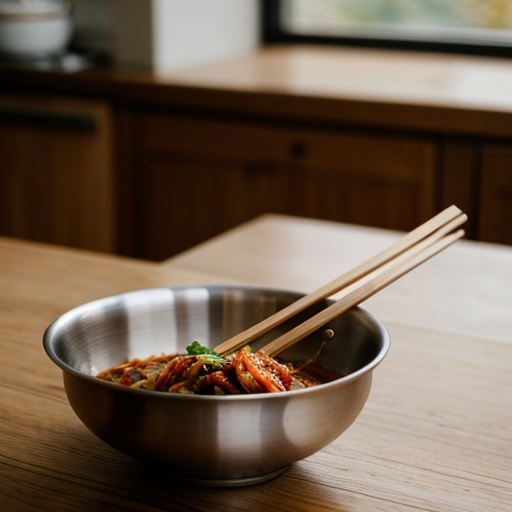
If you have ever been intimidated by the sheer number of bowls, you aren't alone. One of the most interesting aspects of the subtle art of banchan is the etiquette surrounding the shared nature of these dishes. In Korea, even when eating with friends, there’s a subconscious navigation of space. You don’t claim a bowl as your own. Instead, you work around the table, using your own chopsticks to gently lift a piece from the center.
There is also the concept of the banchan being refilled. It’s one of the few places in the world where the side dishes are often free and unlimited. This isn't just about generosity; it’s about the philosophy of jeong—the intangible bond between the host and the guest. When the server brings a fresh refill without you even asking, they are acknowledging your enjoyment of the meal. It’s a silent conversation between the kitchen and the person eating.
Mastering Your Own Kitchen
You don't need a professional kitchen to embrace the subtle art of banchan at home. My biggest piece of advice? Start small. Don’t try to make five different kinds of kimchi in one weekend. Choose one vegetable—maybe zucchini or cucumber—and focus on the seasoning ratio. Korean side dishes are defined by the "big four" in my pantry: soy sauce, garlic, sesame oil, and toasted sesame seeds.
The magic happens in the ratios. For namul (blanched vegetables), the goal is to highlight the vegetable, not drown it. A teaspoon of sesame oil is a seasoning, not a sauce. If you find yourself over-salting, try adding a tiny bit of sugar or a splash of rice vinegar to lift the profile back up. It’s about learning to trust your palate rather than following a strict, rigid recipe.
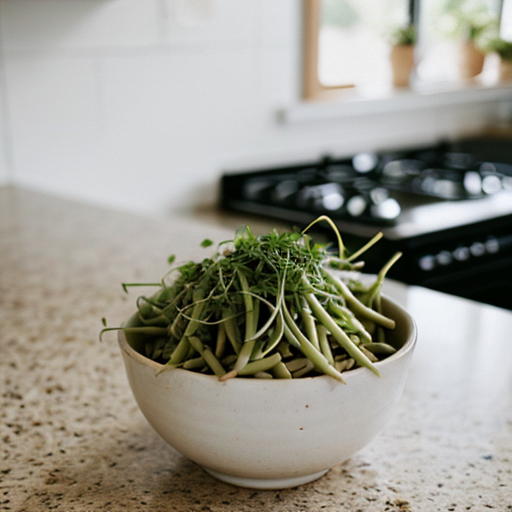
Beyond the recipes, I’ve found that the ritual of prepping these dishes is the most therapeutic part of my week. Peeling garlic while listening to a podcast or carefully blanching spinach makes the dinner that follows feel earned. Have you ever tried making a simple namul side at home, or do you prefer the variety you find at your local favorite restaurant?
Ultimately, these little plates are a testament to the Korean belief that a meal should be an exploration. Every bite should be slightly different from the last. By engaging with the subtle art of banchan, you aren't just filling up on calories—you're participating in a centuries-old tradition of balance, health, and communal joy. So next time you see those tiny bowls arriving, take a moment to appreciate the intentionality behind each one.