The Hidden Language of Jeju’s Stone Grandfathers: Decoding Dolhareubang Expressions
목차
Guardians of the Volcanic Isle
If you have visited Jeju Island, you have undoubtedly locked eyes with a Dolhareubang. These weathered, basalt statues stand as the undisputed symbol of the island, their bulbous noses and bulging eyes staring out at a modern world that feels worlds apart from their origins. But these statues are more than just quirky souvenirs or roadside photo opportunities; they are a complex visual language of authority, protection, and fertility.
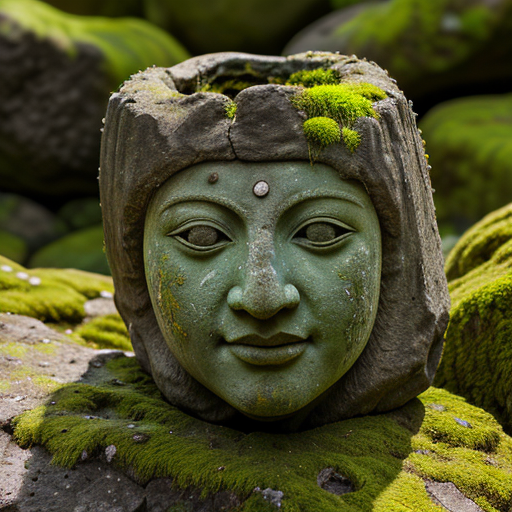
The Architecture of an Expression
Unlike the smooth marble statues of Europe, the Dolhareubang expressions are carved from the porous volcanic rock native to Jeju. Their appearance is surprisingly standardized yet deeply symbolic:
- The Bulging Eyes: Often interpreted as a sign of alertness, meant to ward off evil spirits and intruders.
- The Mushroom-Shaped Hat: A marker of social status, historically resembling the official headgear of civil or military officials during the Joseon Dynasty.
- The Folded Hands: One hand is almost always placed higher than the other. This isn't accidental; it mirrors the traditional administrative hierarchy of the era, distinguishing between military and civil officials.
More Than Just a Face
While the face is the focal point, the hidden language of Jeju's stone grandfathers is largely communicated through their posture. You will notice that their hands rest on their bellies—a gesture that, in folk belief, represents wealth, prosperity, and the blessing of abundance for the island’s inhabitants.
The Dolhareubang were never meant to be static decorations. They served as functional boundary markers and protectors of the island's many village gates.
Decoding the Folklore
Why do they look the way they do? There is a prevailing theory that the statues acted as teachers to the illiterate masses of the past. By examining the subtle variations in their facial features, locals could tell if a statue belonged to a government administrative region or a private village territory. They were, in effect, the early signposts of Jeju’s complex social landscape.
Have you ever wondered if the specific expression on a statue’s face could change your perception of its intent? When you look at one, do you see a guardian, or do you see a witness to centuries of island isolation?
Practical Tips for the Mindful Observer
If you want to move beyond the tourist surface and truly appreciate these figures, look for these details during your next hike:
- Check the symmetry: Authentic, historical statues often have slightly asymmetrical features due to the manual carving process.
- Observe the placement: Historically, they were placed in pairs at the entrances of villages. If you find one standing alone, it is likely a modern relocation.
- Study the weathering: The level of moss and erosion tells you how long that specific guardian has been watching over the landscape.
Frequently Asked Questions
Why is the Dolhareubang's nose so prominent?
The phallic nature of the nose is widely considered a symbol of fertility and virility, reflecting the ancient desire for continuation of the family line in harsh island conditions.
Are all Dolhareubang identical?
No. While they share a design language, variations exist between those found in Jeju City, Seogwipo, and the rural villages. Each region historically maintained slight differences in carving style.
Can I touch them?
It is generally encouraged to treat them with respect as cultural artifacts. Many locals believe touching the nose of a statue brings good fortune, but preservation efforts ask visitors to be gentle with these ancient stones.
Final Thoughts
Decoding the Dolhareubang expressions allows us to see Jeju not just as a vacation destination, but as a place held together by centuries of intentional folklore. Next time you pass one, take a moment to look past the stone and consider the layers of history, social order, and protection it represents. These statues remain a testament to the resilience of the Jeju people, standing watch long after their creators have returned to the earth.