Seoul vs. Busan: Choosing Your Perfect Korea Trip (Based on My Real Mess-Ups)
The Seoul Night That Ruined My Schedule
I still remember dragging my suitcase through the labyrinthine alleys of Hongdae at 2:00 AM last October. My buddy Min-su had convinced me that the 'real' Seoul starts after midnight. He was right, but he forgot to mention that the subway stops running, and catching a taxi with a dying phone battery is basically a survival challenge. I spent 40,000 won on an 'emergency' fare just to get back to Myeongdong. It was a complete disaster, but sitting there, watching the neon signs reflect on the wet pavement, I felt that electricity—the kind you only get in a megacity of 9.7 million people. Seoul is a beast. It’s chaotic, it’s loud, and if you aren't careful, it will chew up your itinerary and spit out your wallet.
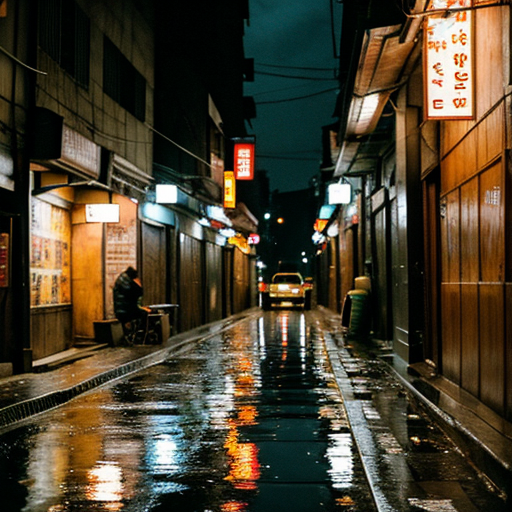
When you look at the data, Seoul isn't just a city; it’s a high-density hyper-center. With over 16,000 people per square kilometer, the psychological impact is real. You are constantly surrounded by information, movement, and the sheer pressure of progress. The cognitive load of navigating Seoul’s complex transit systems—which cover over 1,200 kilometers of track—means your brain is constantly processing spatial data. That’s why you get exhausted after just two days of sightseeing. It’s not just the walking; it’s the constant decision-making at every subway transfer.
Busan: When I Finally Learned to Breathe
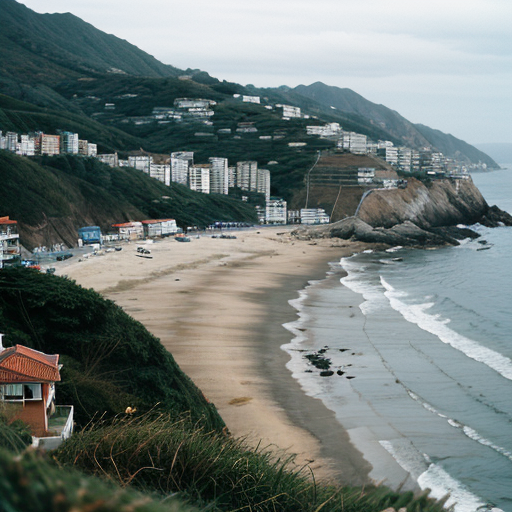
Fast forward to last May. I took the KTX down to Busan—a smooth 2.5-hour ride—and honestly, the difference in my cortisol levels was immediate. My friend Jae-joon, who moved there for a job at a logistics firm, met me at Busan Station. We headed straight to Yeongdo for a coffee. Unlike the sterile, modern cafes in Gangnam, the places here feel like they’ve been carved out of the rocky coastline. I remember staring at the gray-blue ocean and realizing I hadn't checked my emails for four hours. In Seoul, I feel like I have to keep running just to stay in place. In Busan, the city allows you to stop. The humidity levels are higher, usually around 70-80% in the summer, which actually softens the edges of the city compared to the dry, frantic energy of the capital.
You have to understand the geography here. Busan is squeezed between the mountains and the sea. This isn't just aesthetic; it dictates the speed of life. The 'Bbali-bbali' (hurry-hurry) culture of Korea is still there, but it’s mediated by the slow crawl of the waves. If you’re coming to Korea to 'find yourself' or just reset your nervous system, Seoul is the worst place you could pick. It’s built for ambition, not recovery.
The Real Cost of Your Choices
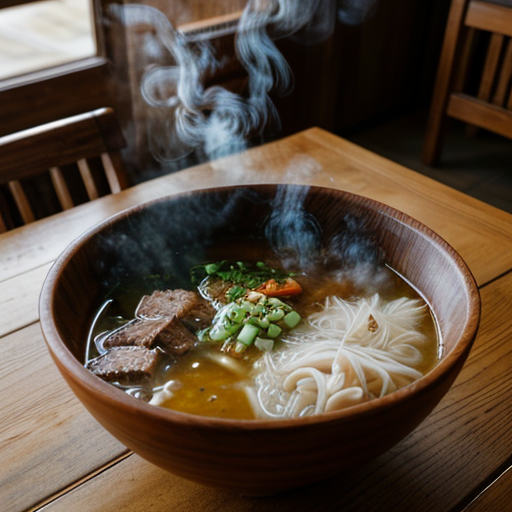
Let’s talk money, because my bank account definitely felt the difference. Last trip, I spent about 150,000 won per day in Seoul, including mid-range dining and the occasional splurge. In Busan? I dropped to about 90,000 won. Why? Because the 'tourist tax' in Seoul is real. You’re paying for convenience and the proximity to high-end infrastructure. In Busan, the best things—the beaches like Gwangalli, the hikes up to Geumjeongsan, the alleys of Huinnyeoul—are either free or incredibly cheap. Pro tip: Don't bother with the fancy hotel breakfast in Busan. Go to a local Dwaeji Gukbap place near the station. It costs about 9,000 won, and the amino acid profile in that pork bone broth is exactly what you need after a night of Soju. Science-wise, the glycine and proline in bone broths are excellent for gut lining support—so yeah, it’s actually a health hack, not just a hangover cure.
Avoid These Mistakes I Made
- Don't pack your schedule. In Seoul, people think they can hit five districts in one day. You can't. If you’re in Mapo, stay in Mapo. If you’re in Jongno, stay in Jongno. Every time you cross the Han River, you lose 45 minutes to transit. It's a waste of life.
- Busan transit is a trap. Don't rely on the subway for everything. The bus routes in Busan are terrifying if you get motion sickness, but they are the only way to see the coastal hills. If you take the bus, sit as far forward as possible to keep your horizon level and reduce vestibular mismatch.
- Ignore the 'must-see' lists on Instagram. I once waited two hours for a 'viral' cafe in Busan only to find out the coffee was lukewarm and the view was obstructed by a construction crane. Just walk into the small, unmarked shops. The elderly owners usually have the best stories and the best prices.
Why You Might Still Hate Both
Let’s be real. If you’re an introvert, both cities will be a nightmare if you don't plan your 'do not disturb' time. I tried to visit Myeongdong on a Saturday last summer, and I actually had a panic attack. The density of humans was roughly 4 people per square meter. The sensory overload—the loud speakers blasting K-pop, the aggressive sales pitches, the smell of street food—it’s too much. If you need space, get out of the main hubs. In Seoul, head to the Bukhansan hiking trails. In Busan, go to the outer edges of Songjeong beach. Nature is the only antidote to the Korean city experience.
My last point is about the people. Seoulites are efficient. They won't talk to you unless they have to. It’s not rudeness; it’s a social contract of non-interference. Busan people? They’ll shout at you from across the street to help you find the right bus. It’s loud, it’s intense, and sometimes it’s overwhelming, but it’s warm. If you want to feel like a ghost, go to Seoul. If you want to feel like a character in a movie, go to Busan. Just don't ask me which is better—ask yourself what you’re running away from, or what you’re looking for. Are you looking to keep up with the world, or are you looking to finally hear yourself think?
I’m planning to head back to Busan in November when the fish festivals start. Maybe I'll see you there, or maybe I’ll just be sitting on the sand, drinking a convenience store beer and finally enjoying the silence. The choice is yours, just make sure you wear comfortable shoes—no matter which city you pick, you're going to walk until your feet fall off.