Seoul Beyond the Guidebook: Finding the Pulse of the City
The Seoul You Don't See on Instagram
I remember landing at Incheon for the first time, clutching a folded map and a list of 'must-sees' that every travel blog on the planet seemed to copy-paste. I spent my first two days running between palaces and the N Seoul Tower, feeling like I was checking boxes rather than experiencing a city. It wasn't until I got lost in the labyrinthine alleys of Euljiro that the real city finally revealed itself to me. Seoul travel is less about the grand landmarks and more about the spaces between them—the smell of roasting sesame oil at 7 AM, the hum of tiny printing shops, and the way the city switches from a frantic neon metropolis to a quiet, neighborhood-centric village in the span of three subway stops.
If you're planning a trip, don't just treat the city like a theme park. There is a specific cadence to life here, and if you can sync your rhythm to it, you'll find that your Seoul travel experience transforms from a sightseeing checklist into a deeply resonant memory. It's in the way people line up at a nondescript stall for bungeoppang (carp-shaped pastry) in the freezing winter, or how a local *ajumma* will offer you a seat at a crowded market table. These aren't just moments; they are the connective tissue of the city.
Navigating the Neighborhoods: Where to Actually Spend Your Time
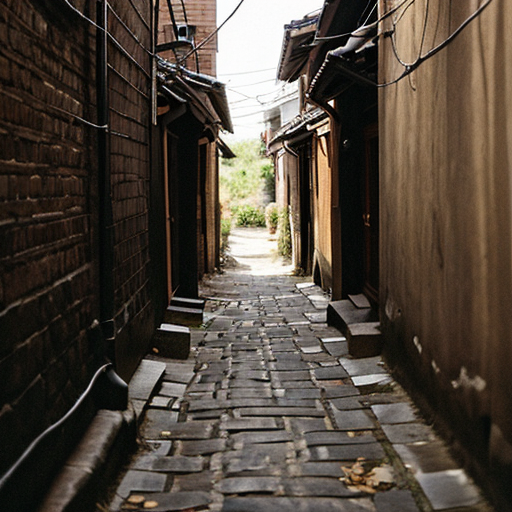
Most travelers make the mistake of staying strictly within Myeongdong or Insadong. Those areas have their charm, but they’re also where the city puts on its 'public face.' For a better look at Seoul travel as the locals see it, point your compass toward places like Yeonnam-dong or Mangwon. Mangwon Market, in particular, is a masterclass in local commerce. It’s where you go to buy a literal bag of freshly made hotteok or a container of kimchi that hasn’t been mass-produced for tourists.
When you're exploring, keep these things in mind:
- The Subway is your best friend. Don't bother with taxis unless you're exhausted at 2 AM. The Seoul metro system is incredibly precise. Use the 'Naver Map' or 'KakaoMap' apps—Google Maps is notoriously unreliable here because of local security restrictions.
- Walk, but look up. So much of Seoul's personality is tucked away on the second or third floors of buildings. The most incredible cafes and hidden izakayas are often accessed via narrow, nondescript staircases that you’d miss if you were just staring at your feet.
- Embrace the 'neighborhood café' culture. Every block in Seoul has a local spot. Don't look for the chains; look for the places with a small wooden sign and the sound of someone manually grinding coffee beans.
The Subtle Art of the Seoul Meal
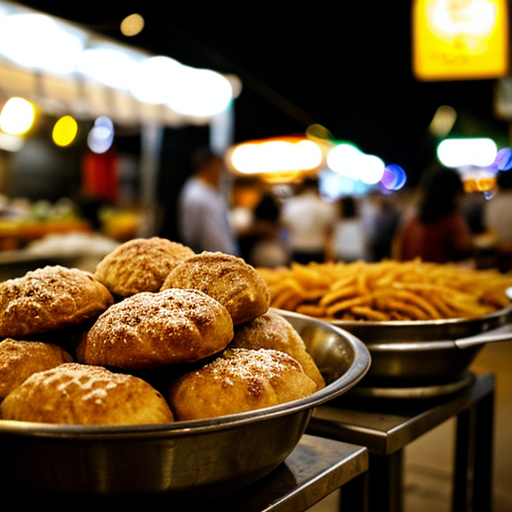
Food is the heartbeat of this city, but there’s a nuance to it that you won't find in a Michelin guide. My favorite Seoul travel memories usually involve sitting on a plastic stool at a tented street stall (pojangmacha) at midnight, eating spicy rice cakes while the city lights reflect off wet pavement. There’s no pretension there. You’re just another person trying to stay warm and full.
"To truly understand Seoul, you have to be willing to eat things you can't name, in places that look like they haven't been renovated since 1985. The best soups are always in the oldest, smallest rooms."
If you see a restaurant filled with office workers in ties, that’s your gold mine. They are looking for efficiency and quality, and they won't settle for anything less than perfect, affordable comfort food. Don’t worry about language barriers; a smile and a polite nod go a long way. If you’re unsure how to order, just point to what the person next to you is eating. It’s a universal language and a great conversation starter.
Beyond the Tourist Trail: Moments of Quiet
If the sensory overload starts to get to you—and it will, because Seoul never really shuts off—seek out the city’s quiet pockets. I’m not just talking about the palaces. Visit the Seochon village area, which sits behind Gyeongbokgung Palace. It’s a tangle of old-style hanok houses and tiny art galleries. Walking through those alleys feels like stepping back fifty years. It’s a stark, beautiful contrast to the towering skyscrapers just a few kilometers away.
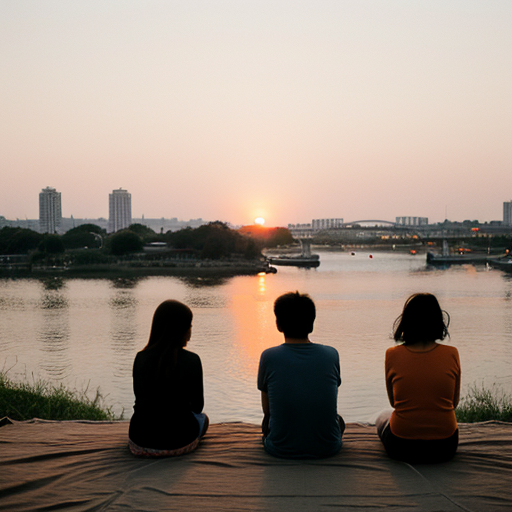
Another tip for your Seoul travel planning: visit the parks along the Han River during a weekday evening. Watching the city skyline turn from grey to a brilliant amber, then to a sea of electric blue and gold, is a rite of passage. If you grab some fried chicken and a cold drink, you’ll be doing exactly what the locals do to decompress after a long day of work.
I once spent an entire Saturday morning in a small book café in Mapo-gu. Nobody bothered me, the coffee was excellent, and for three hours, I felt less like a visitor and more like I was just another resident enjoying a slow morning. Why do you think we travel? Is it to see the famous things, or is it to find those fleeting moments where we feel like we truly belong, even for a day?
Practical Realities for the Curious Traveler
Let's talk about the logistics of Seoul travel for a second, but without the boring stuff. Get yourself a T-money card as soon as you arrive. It’s not just for trains; it works in convenience stores and even for taxis. It keeps your life moving smoothly. Also, understand that Korea is a 'pali-pali' (hurry-hurry) culture. People walk fast, eat fast, and work fast. Don't take it personally if a cashier doesn't chat with you; they aren't being rude, they are just being efficient.
One last piece of advice: leave space in your itinerary. If you plan every hour of your trip, you’ll never leave room for the magic of an accidental discovery. You might stumble upon a vinyl record store, an impromptu busking performance in Hongdae, or a quiet street festival that isn't on any website. These are the moments that will stay with you long after the flight home.
Seoul is a city that rewards curiosity. It’s layered, complex, and sometimes a little bit overwhelming. But if you stop looking for the 'perfect' experience and start looking for the real one, you’ll find that it offers something different to everyone who takes the time to look deeper.