Must-Try Korean Food for Beginners: My Authentic Guide
Why Korean Food Felt Like a Mystery at First
I remember sitting in a tiny, greasy hole-in-the-wall place in Euljiro back in October 2019. My buddy Jae-jun dragged me there, swearing it was the best spot for Samgyeopsal. I was staring at this slab of raw pork belly sizzling on a slanted metal plate, feeling totally lost. The waitress slapped down a pile of fermented leaves and these weird-looking jars of red paste. I didn't know if I was supposed to eat the leaves whole or chop them up. I just sat there like an idiot until Jae-jun sighed, grabbed a piece of meat with his chopsticks, dipped it in the salty sesame oil, and shoved it into a lettuce leaf with some garlic. That first bite? It was salty, fatty, pungent, and honestly, a bit overwhelming. But then, the crunch of the fresh lettuce and the kick of the garlic hit me. It was a chemical reaction of flavors that I’d never experienced before. That was the moment I realized Korean food isn't just 'spicy'—it's a masterclass in texture and fermentation.
You see, most people get it wrong. They think Korean food is just kimchi and heat. But look at the science behind it. Fermented foods like kimchi contain Lactobacillus—specific strains that significantly improve your gut microbiome. A study published in the Journal of Medicinal Food suggests that the synergy between the fiber in napa cabbage and these probiotics doesn't just help digestion; it modulates your immune response by influencing the production of T-cells. I didn't believe it until I lived in Seoul for three months and realized my chronic bloating completely vanished. It wasn't magic; it was just a 200g daily intake of fermented vegetables hitting my system.
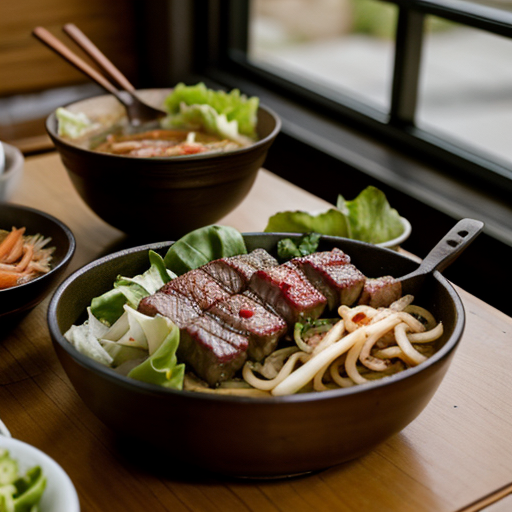
Let’s talk about Bulgogi. If you’re a beginner, this is your entry ticket. It’s thin slices of marinated beef. But wait, don't just order it anywhere. The secret is the pear purée used in the marinade. The enzymes in the pear—specifically bromelain or similar proteases—actually break down the tough muscle fibers in the beef, making it melt in your mouth. If a restaurant uses sugar instead of actual fruit, you can taste the difference immediately; it’s one-dimensional and cloying. I remember taking my cousin Sarah to a spot in Gwangjang Market last summer, and she kept asking why it was 'so sweet yet savory.' That’s the balance of ganjang (soy sauce) and fruit sugars. It’s chemistry, man.
The Non-Spicy Must-Try: Bibimbap
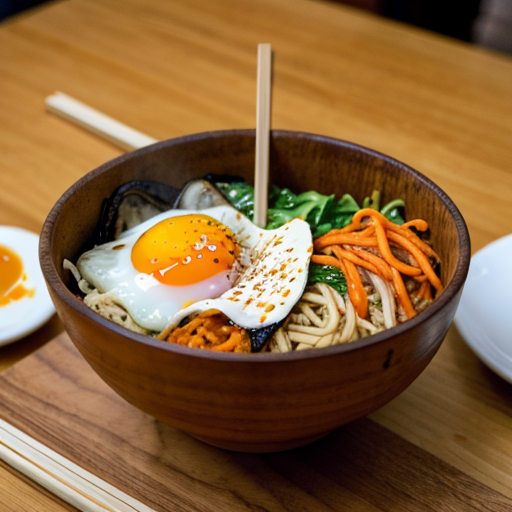
People get so scared of the red sauce. But you don't have to drown your food in Gochujang. Bibimbap is arguably the most balanced meal you can find. It’s essentially a pile of blanched vegetables (namul), seasoned with sesame oil and a bit of protein, sitting on a bed of steamed rice. The beauty here is in the nutrient density. Spinach, bean sprouts, carrots, mushrooms—each provides a different set of phytonutrients. When you combine these with the healthy fats from the sesame oil, you’re basically ensuring maximum absorption of fat-soluble vitamins (like Vitamin A and K). I honestly ate this for lunch every single day for two weeks while working near Gangnam station, and my energy levels were incredibly stable. No afternoon crash. It’s a 500-600 calorie meal that packs fiber, protein, and micro-nutrients in a way a sandwich never could.
Don't be that guy who dumps the whole tube of sauce in at once. Try it with just a quarter of what they give you. You need to taste the nuttiness of the sesame and the earthiness of the vegetables. My friend Min-su yelled at me once when he saw me mixing it like a madman—he told me to be gentle with the rice grains so they don't get mushy. He was right. Treat the bowl with respect, mix it with a spoon, and stop worrying about the presentation once you dig in. It's supposed to be a messy, beautiful pile of nutrition.
The Truth About Kimchi Jjigae
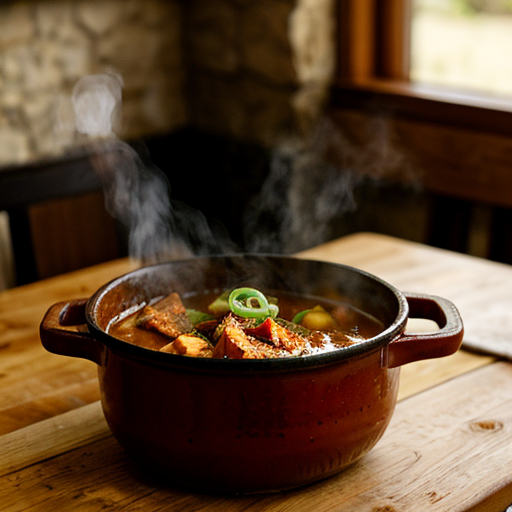
Two weeks ago, I was at a hospital visit for a check-up, and the doctor actually recommended I eat more fermented stews because my inflammation markers were slightly elevated. He wasn't joking. Kimchi Jjigae—kimchi stew—is the ultimate comfort food, but it’s also a powerhouse of antioxidants. When you boil aged kimchi, the heat doesn't necessarily kill all the beneficial bacteria, but it transforms the flavor profile, creating these incredible glutamate-rich compounds that act as natural flavor enhancers. You don't need MSG when you have properly aged, fermented cabbage.
My biggest piece of advice? Don't go for the brightest red stew on the menu. The 'bright' red is often just artificial dye or cheap chili powder. You want a stew that looks deep, dark red—almost brownish. That indicates the kimchi has been fermented long enough to develop deep acidity. Pair this with a bowl of purple rice (heukmi-bap). The anthocyanins in the black rice act as strong antioxidants. Combining the probiotics of the stew with the polyphenols in the rice? That’s how you stay healthy while eating delicious food. If you go to a place and they serve you lukewarm soup, walk out. It should be bubbling violently when it hits the table. If it’s not, they pre-made it, and you're missing out on that fresh, searing intensity.
Common Mistakes You’re Probably Making
Stop trying to eat everything with a fork. Honestly, just learn to use chopsticks. It changes the pace of your eating. When I first moved to Korea, I used to inhale my food. My digestion was terrible. Using chopsticks forces you to take smaller bites, which gives your brain enough time to process the satiety signals—specifically the release of leptin. It takes about 20 minutes for your brain to realize you're full. If you shovel food in with a fork, you'll overeat every single time. My friend Jae-jun used to tease me about this constantly until I realized he was right; he stayed lean while I gained five kilos in my first month just because I was eating too fast.
Also, don't ignore the side dishes (banchan). They are free, but they aren't 'extra.' They are part of the meal’s balance. The little soy-braised potatoes, the pickled radish, the seaweed—each one is meant to cleanse your palate or add a different texture to the main dish. Don't leave them untouched. And if you’re at a BBQ place, don’t cook the meat until it’s leather. Seriously, if the edges are burnt black, you’re creating polycyclic aromatic hydrocarbons, which you definitely don't want. Aim for a nice char, then move the meat to the edge of the grill. You aren't just trying to fill your stomach; you’re trying to have a balanced experience. It’s annoying when I see tourists ruining expensive beef because they were too busy taking a photo for their Instagram while the meat turned into charcoal. Put the phone down, eat the food, and enjoy the process.
Final Thoughts
Korean food isn't just about what’s on the plate; it’s about the culture of sharing. You notice how there’s rarely just one dish on the table? Everything is shared. It creates this social bond that you don't really get with a single-plate meal. Just be careful with the side dishes—sometimes the spicy ones are really spicy, and your stomach might not be ready for the capsaicin concentration. Start slow, order one mild dish like Bulgogi and one soup like a non-spicy Doenjang-jjigae (soybean paste stew), and build up from there. It’s an adventure, but don't force it. Have you ever tried Dakgalbi? That’s a whole different story for another day, but be warned: it’s addictive.