Inside the Pressure Cooker: How Korean School Culture Truly Compares to the Rest of the World
목차
- The Reality Behind the Uniform
- The Philosophy of 'Hard Work Over Everything'
- Comparing the Daily Grind: A Snapshot
- The Role of the Hagwon: An Industry Insight
- Is It Sustainable?
- Actionable Tips: What Can We Learn?
- Frequently Asked Questions
- 1. Do Korean students have any social life?
- 2. Is the school system really that competitive?
- 3. Why are teachers held in such high regard?
- 4. How do international schools in the region differ?
- 5. What is the biggest challenge for these students?
- Final Thoughts
The Reality Behind the Uniform
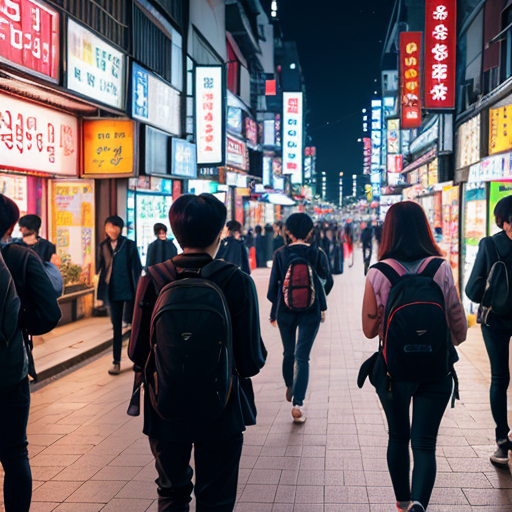
I remember sitting in a coffee shop in Seoul a few years back, watching a group of high schoolers walk past at 10:00 PM. They weren't heading home to relax; they were carrying heavy bags, eyes glued to flashcards, on their way to a second round of education. To be honest, it was a striking sight. As someone who has spent years analyzing global educational systems, I’ve often been asked: How is Korean school culture different from other countries?
It’s not just about more study hours. It’s a total ecosystem of expectations, community, and competition. If you’ve ever wondered why Korean students consistently rank near the top of international assessments, you aren't alone. Let me explain the layers of this fascinating, albeit intense, educational landscape.
The Philosophy of 'Hard Work Over Everything'
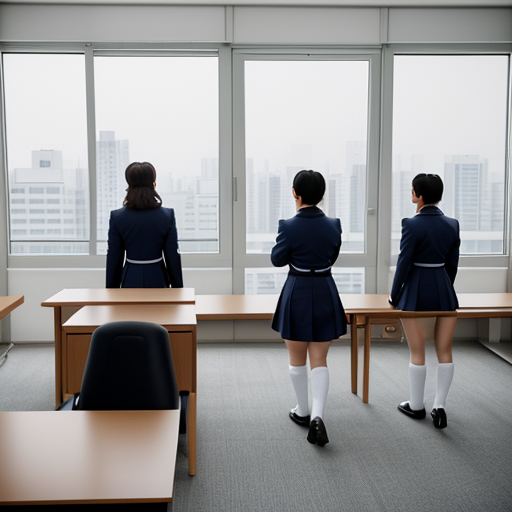
In many Western countries, the focus is often balanced between extracurriculars, personal development, and grades. But in the local landscape here, the narrative is different. Academic achievement is not just a personal goal; it’s often viewed as a familial responsibility. From my experience talking to educators, the sheer level of discipline is unparalleled.
- The Hierarchy: Seniority isn't just a suggestion; it’s a foundational pillar. Younger students respect older ones, which shapes how classroom dynamics play out.
- The Collective Mindset: Individual success reflects on the family and the group. This creates a powerful drive to keep pushing, even when burnout is looming.
- The Evening Grind: It’s not uncommon for the 'school day' to continue well into the night at private academies.
"Education is seen as the ultimate equalizer and the primary pathway to success in a society that values credentials above almost everything else."
Comparing the Daily Grind: A Snapshot
Here’s the thing: you can't understand the difference without looking at the raw data of how a student spends their 24 hours. Here is how a typical day compares across regions.
| Activity | Typical Western Student | Typical Korean Student |
|---|---|---|
| School End Time | 2:30 PM - 3:00 PM | 4:00 PM - 5:00 PM |
| Extracurriculars | Sports/Hobbies/Social | Academic Tutoring (Hagwons) |
| Homework Load | Moderate | Very High |
| Primary Focus | Holistic Development | University Entrance Exam |
The Role of the Hagwon: An Industry Insight
What does this mean for you if you’re looking at these systems from the outside? It means understanding the Hagwon culture. In my analysis, these private institutions are the engine of the entire system. While students attend public schools during the day, their real competitive edge is often honed in these after-school centers. It’s an massive industry that supports a 'shadow' education system, ensuring no one falls behind—or rather, that everyone stays ahead.
Is It Sustainable?
But this is where it gets better—or perhaps, more complicated. As someone who has worked with educational policy researchers, I’ve seen the shift in conversation. There is a growing movement toward reducing stress, but the societal momentum is massive. When everyone else is studying, choosing not to study feels like falling off a cliff.
Actionable Tips: What Can We Learn?
Regardless of where you live, there are elements of this culture that are undeniably effective. If you’re a student or parent trying to optimize your routine, consider these steps:
- Prioritize Consistency: The biggest takeaway isn't 'cramming,' but the daily discipline of practice.
- The Power of Peer Motivation: Surround yourself with people who value intellectual growth.
- Time Blocking: Dedicate specific 'deep work' hours where distractions are completely off the table.
Frequently Asked Questions
1. Do Korean students have any social life?
Yes, but it looks different. Much of their socializing happens within the school environment or during the short gaps between classes and private tutoring sessions.
2. Is the school system really that competitive?
Extremely. The university entrance exam is a national event that dictates the trajectory of a young person’s career and, often, their social standing.
3. Why are teachers held in such high regard?
Confucian tradition places a massive amount of respect on educators, who are viewed as mentors and pillars of society.
4. How do international schools in the region differ?
International schools often adopt Western-style curricula, which provide a stark contrast to the local, more rigorous public school models.
5. What is the biggest challenge for these students?
Mental health and burnout are major concerns, leading to recent governmental efforts to balance study hours with more mental health resources.
Final Thoughts
Understanding how Korean school culture is different from other countries is really a deep dive into the values of a nation. It’s a culture of intense ambition and profound community focus. While there are obvious drawbacks regarding stress, the discipline instilled is something that carries many through their professional lives.
What do you think? Would you prefer a system that pushes you to your limits, or one that prioritizes a more relaxed approach to learning? Let me know in the comments below! I’d love to hear your perspective.
Related topics you might enjoy: 'The History of Global Grading Systems' or 'Why Academic Burnout is Becoming a Worldwide Crisis'.