Finding Silence: Navigating Seoul's Alleyway Cafes for a Touch of Modern Hygge
The Art of the Hidden Threshold
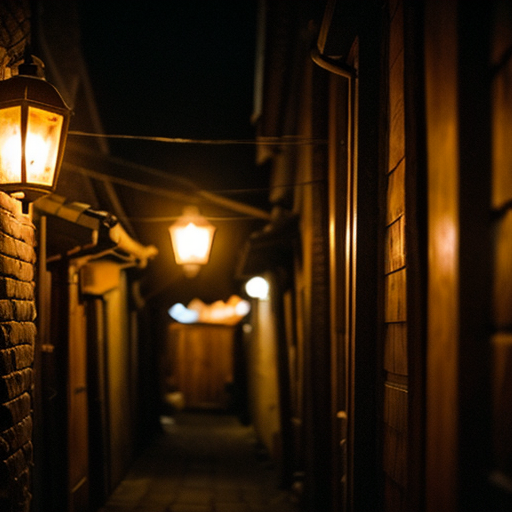
I remember the exact moment I stopped looking at Seoul as a sprawling, high-octane metropolis and started seeing it as a collection of thousands of tiny, breathing villages. It was a Tuesday afternoon, somewhere deep in the maze of Euljiro. I was tired of the fluorescent lights of my office and the aggressive speed of the subway lines. I turned down an alley that looked like it hadn't changed since the 1980s—rusting metal gates, stacks of old paper scraps, and the faint smell of motor oil mixed with something floral.
And then, a scent. Freshly ground Ethiopian beans. I followed the aroma, pushed open a heavy, non-descript wooden door, and found myself in a space that felt like it had been carved out of time. This was my first real experience navigating Seoul's alleyway cafes, and I realized then that the city doesn't reveal its best parts to those who only walk the main thoroughfares.
Defining Modern Hygge in an Urban Jungle
We often think of hygge—that Danish concept of cozy contentment—as something that requires a fireplace, a knit sweater, and a snowy Scandinavian window. But in Seoul, modern hygge is something quite different. It is a rebellion against efficiency. It is about finding a space where the architecture is historic, perhaps a bit worn, but the coffee is precise and the silence is intentional.
When I go out hunting for these spots, I’m not looking for the most famous Instagram cafe. I’m looking for the texture of the walls—is it the original exposed brick from a 1970s house? Is the lighting soft enough to read a book without straining my eyes? Navigating Seoul's alleyway cafes is less about caffeine and more about recalibrating my nervous system. It’s the feeling of sitting on a worn leather chair while the chaotic world outside continues, oblivious to the fact that you’ve found a sanctuary.
The Map is Your Worst Enemy
If you rely solely on Naver Map or KakaoMap ratings, you are missing the point. Some of the best places in neighborhoods like Ikseon-dong or Yeonnam-dong are tucked behind buildings that look abandoned. I’ve learned to follow the sensory clues: a faint trail of incense, the sound of a vintage jazz record, or even just the absence of a large sign.
One of my favorite rituals is to wander without a destination. I pick a neighborhood—say, a quiet corner of Samcheong-dong—and I intentionally leave my phone in my bag for thirty minutes. I look for the modern hygge in the details: the way the light catches a ceramic cup, the presence of a few well-tended houseplants in a windowless room, or the specific way the barista prepares a hand-drip brew. It’s an exercise in presence. When was the last time you let yourself get genuinely lost in a city you thought you knew?

Practical Tips for the Urban Hunter
- Go against the grain: Everyone heads to cafes at 2:00 PM on a Saturday. If you want to experience the true soul of a neighborhood, try a weekday morning or the hour before closing time. The baristas are more relaxed, and the ambient noise is at its most beautiful.
- Value the architecture: Look for the cafes that occupy Hanoks or repurposed industrial workshops. The juxtaposition of old-world structures with high-end, modern espresso equipment is what defines this current era of Korean cafe culture.
- The 'Coffee-Only' Rule: Don't look for flashy cakes or Instagram-bait desserts. The places that excel at navigating Seoul's alleyway cafes as a lifestyle often focus on one or two signature beans. If the menu is too long, the quality is usually diluted.
I recently visited a small spot near the Gyeongui Line Forest Park that was nothing more than a kitchen and four stools. No music, just the rhythmic sound of water hitting the filter. It was the most profound cup of coffee I’d had all year. It felt like a secret I was keeping with the city. That is the essence of the search.
The Social Aspect of Solitude
There is a misconception that these alleyway cafes are anti-social. In reality, they are a different form of communal living. You are sharing a silent space with strangers, all of whom have collectively agreed to set aside their devices and their haste. When I see someone else tucked into a corner with a worn-out paperback, there’s a non-verbal acknowledgment—a slight nod. We are all here to escape the same pressure.
This pursuit has changed how I relate to my work. I used to think I needed a sterile environment to be productive. Now, I find that a dim, wooden-floored attic cafe in a historic neighborhood is where I do my most honest thinking. Navigating Seoul's alleyway cafes has forced me to slow down my internal clock to match the rhythm of the city's older streets.

It’s important to remember that these neighborhoods are also people's homes. When you are exploring these quiet pockets, be mindful of your volume and your footprint. The beauty of these places lies in their delicacy. If you go, go as a guest, not just a consumer. Take the time to acknowledge the person behind the counter. Ask them about their beans, or why they chose that specific furniture. You’ll be surprised at how much more a cafe has to offer when you show genuine interest in the person who built it.
So, the next time you find yourself in the middle of a busy weekend, instead of heading toward the crowded shopping districts, find a narrow alley. Look for the signs of life that don't glow neon. Find your own version of modern hygge, take a deep breath, and let the history of the walls tell you a story you wouldn't hear anywhere else. What's the quietest place you've ever found in a big city, and how did it change your perspective on the day?