Don't Just Eat Kimchi: The Real Korean Food List You Need to Survive Seoul
That Time I Almost Cried Over Spicy Pork
Last October, my buddy Mark came to visit from London. He’s obsessed with 'spicy' food, so he walks into this tiny joint in Euljiro and orders the spiciest Jeyuk Bokkeum (spicy stir-fried pork) on the menu without asking for help. Man, the look on his face when the capsaicin hit his tongue—it wasn't just flavor; it was a chemical reaction. See, capsaicin binds to the TRPV1 receptors in our mouths, which are actually designed to detect heat and physical abrasion. It tricks your brain into thinking your mouth is literally burning. I spent the next twenty minutes watching him chug cold water, which, by the way, does absolutely nothing because capsaicin is lipophilic. You need fats or casein (found in milk) to break that bond. Don't be like Mark. Always keep a carton of banana milk handy.
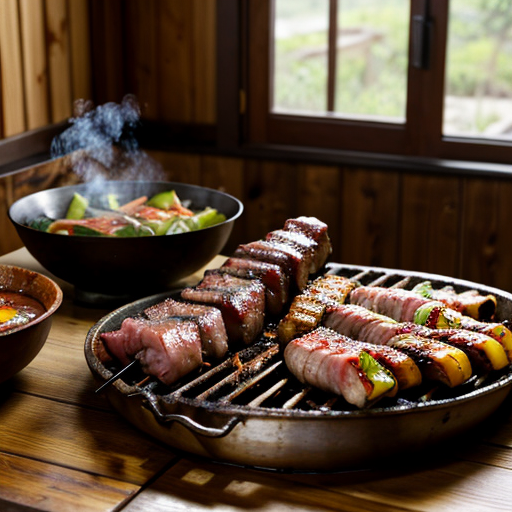
Samgyeopsal: It’s Not Just Bacon, It’s a Ritual
Everyone talks about Korean BBQ, but nobody tells you how to actually eat it like you belong there. Two years ago, I went to this spot in Hapjeong with a group of friends, and we ended up spending three hours just grilling. Here’s the secret: the Maillard reaction. When you sear the pork belly at exactly 160-180°C, you’re causing amino acids and reducing sugars to create complex flavor compounds. If your pan isn't hot enough, you're just boiling the fat. Don't be that guy who flips the meat every ten seconds. Let it crust. Put the garlic on the grill, let it soak in the pork fat until it turns soft and nutty. If you eat it without wrapping it in a perilla leaf, you’re missing the point. The perilla (kkaennip) has a distinct herbal profile that cuts through the intense 30% fat content of the belly, balancing your palate so you don't feel weighed down by the lipids.
The Truth About Kimchi Jjigae and Your Gut Health
I remember sitting in a hospital in Gangnam last winter waiting for a check-up, and the doctor was lecturing me about fermented foods. I thought he was just being traditional, but he showed me the data. Aged kimchi isn't just a side dish; it’s a probiotic powerhouse. Specifically, Lactobacillus plantarum. These bacteria survive the harsh acidic environment of your stomach and reach your intestines to colonize your gut microbiome. When I eat a proper bowl of aged Kimchi Jjigae (kimchi stew), I feel a massive difference in my digestion the next day. But watch out—if you go to a cheap tourist place, they use fake vinegar to 'age' the kimchi overnight. That’s not fermentation. That’s just sour cabbage. Real, properly fermented kimchi should have a deep, earthy umami flavor that hits the back of your throat. If it just tastes like straight vinegar, put the spoon down and walk away.
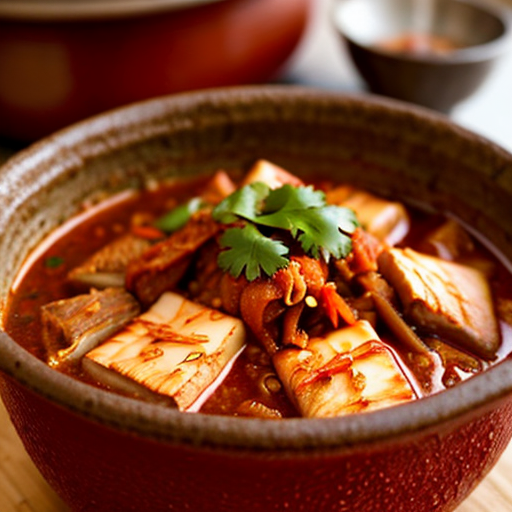
Dakgalbi: The Art of the Shared Pan
My friend Jaejun took me to Chuncheon back in 2021, and honestly, I thought it was just stir-fried chicken. I was so wrong. The science of Dakgalbi lies in the gochujang-based sauce caramelizing on the heavy iron griddle. You have to wait for the staff to say it's ready. If you touch it too early, the texture is completely wrong. I’ve seen so many tourists try to eat it before the vegetables release their water content. You need that water to blend with the gochujang and chicken fat to form a thick, glossy sauce. If the sauce looks watery, it’s not done. And for the love of god, always, and I mean always, finish with the fried rice (bokkeumbap). The starch from the rice absorbs the remaining flavor profile of the meal. It’s like a concentrated shot of everything you just ate.
What Not to Do: Avoiding the Tourist Traps
Seriously, stop going to Myeongdong street stalls and expecting 'authentic' meals. I made that mistake my first week here in 2018. I spent way too much money on a skewer that was lukewarm and tasted like frozen supermarket food. If you see a menu with five different languages and bright, plastic-looking pictures, turn around. You want the place with a menu on the wall that hasn't been updated in ten years. You want the place where the *ajumma* screams at you to sit down. That’s where the magic is. Also, never tip. It’s actually seen as a bit rude or just confusing here. Just pay the bill at the counter near the door. It’s a simple system, but I’ve seen people stand there for ten minutes trying to hand cash to a busy waiter.
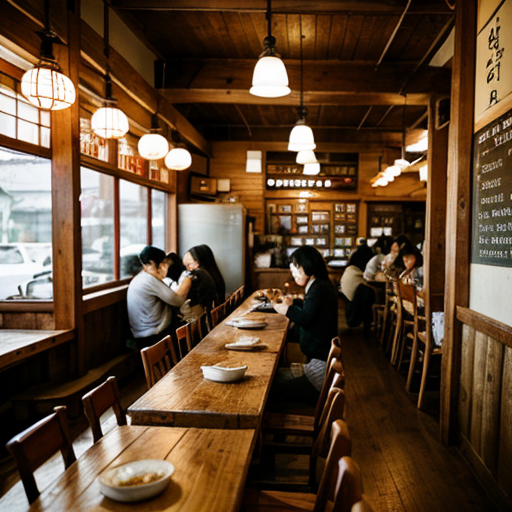
Korean food is a puzzle. It’s all about the balance of banchan—those small side dishes. Why are they there? It’s not just filler. You’re getting a mix of fiber, fermentation, and sodium that regulates the intensity of your main dish. If you find yourself only eating the main meat and ignoring the sides, you’re missing the health benefits designed into the meal structure. Try to take one bite of a different side dish with every piece of protein. Your blood sugar levels will thank you, and honestly, it just tastes better that way.
So, next time you're wandering around Seoul, ignore the big neon signs. Look for the places where the steam is rising, the floor is slightly sticky, and there's a group of locals drinking soju and laughing their heads off. That’s where you find the real deal. Have you ever tried something in Korea that totally blew your mind, or did you have a disaster meal like my friend Mark? Let me know, because I'm always looking for the next spot to check out.