Culture Shock: 10 Surprising Things Foreigners Find in South Korea (2025 Guide)
목차
- The Reality of Moving to the Peninsula
- 1. The 'Pali-Pali' Culture: Speed Above Everything
- The Practical Side of Speed
- 2. The Complexity of Trash Disposal
- 3. The Unmatched Convenience of Convenience Stores
- Comparison: Korea vs. Western Convenience Stores
- 4. Safety That Feels Surreal
- 5. The High-Tech Romance with K-Beauty
- FAQ: Answering Your Burning Questions
- Is it easy to get by without knowing the language?
- Do I need a lot of cash?
- How do I make friends if I don't speak the language?
- Is tipping expected?
- Final Thoughts: Embracing the Culture Shock
The Reality of Moving to the Peninsula
To be honest, before I first stepped off the plane at Incheon International Airport, I thought I knew exactly what to expect. I’d watched the dramas, listened to the music, and read the blogs. But here’s the thing: experiencing the daily rhythm of life here is entirely different from the highlight reels you see on social media.
After talking to dozens of expats and spending significant time on the ground, I’ve realized that the real magic—and sometimes the real confusion—isn’t in the tourist spots. It’s in the everyday, mundane details. From the way people handle their trash to the sheer speed of life, things foreigners find surprising about Korea often leave a lasting impression.
In this guide, I’m breaking down the cultural nuances that will catch you off guard, explain why they happen, and show you how to navigate them like a pro.
1. The 'Pali-Pali' Culture: Speed Above Everything
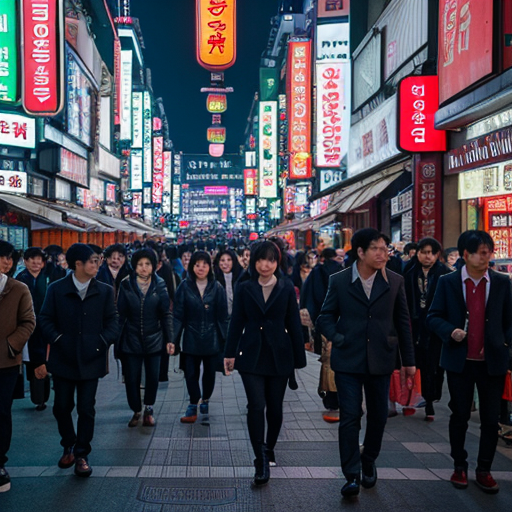
If you come from a country where 'slow living' is the goal, you are in for a shock. The term pali-pali (hurry-hurry) isn’t just a phrase; it’s a national philosophy. I’ve seen this happen countless times: the moment the subway door opens, people are already moving. When you order food at a restaurant, it often arrives before you’ve even put your phone away.
Why does this happen? It’s a remnant of the rapid economic development known as the 'Miracle on the Han River.' Everything was built fast, and that momentum never stopped.
The Practical Side of Speed
- Delivery Services: You can get almost anything delivered to a park or a riverside, even in the middle of the night.
- Bureaucracy: Believe it or not, most government paperwork is digitized and processed in a fraction of the time compared to Western counterparts.
2. The Complexity of Trash Disposal
If you think taking out the trash is simple, think again. One of the most jarring things for newcomers is the strict recycling and food waste laws. You can’t just throw everything in one bin. I remember my first week, standing outside my apartment building, feeling like I was solving a complex puzzle with color-coded bags.
Pro-tip: If you don’t buy the correct government-mandated bags, you can be fined. It’s not just a suggestion; it’s a city-wide standard enforced with surprising vigilance.
3. The Unmatched Convenience of Convenience Stores
I’ve worked with many digital nomads, and the one thing they all rave about? The 24/7 convenience stores. These aren't just for snacks. In Korea, these stores act as hubs for banking, parcel delivery, quick meals, and even emergency supplies. What does this mean for you? You rarely ever have to worry about running out of essentials at 3 AM.
Comparison: Korea vs. Western Convenience Stores
| Feature | Western Convenience Store | Korean Convenience Store |
|---|---|---|
| Food Quality | Mostly snacks/chips | Full meals, gourmet coffee, fresh fruit |
| Availability | Often limited hours | 24/7, everywhere |
| Services | ATM only | Parcel service, bill pay, phone charging |
4. Safety That Feels Surreal
Coming from a background where I was taught to keep my bag close and watch my surroundings at night, the safety in Korea feels almost like a different planet. I’ve seen people leave laptops on cafe tables to go to the bathroom without a second thought. While I don’t recommend being careless, the social pressure to maintain a safe environment is incredibly high.
5. The High-Tech Romance with K-Beauty
You’ll notice immediately that looking polished is a major part of the social fabric. It’s not about being vain; it’s about professionalism. Skincare is a religion here. Don't be surprised if your colleagues ask about your skincare routine or give you advice on how to improve your complexion!
FAQ: Answering Your Burning Questions
Is it easy to get by without knowing the language?
Yes and no. In Seoul, you can get by with translation apps, but learning Hangeul (the alphabet) is a game-changer. It takes only a few hours to learn and will make your life ten times easier.
Do I need a lot of cash?
Surprisingly, no. Korea is a card-first society. You’ll use your credit card for everything from a bus ride to a street food snack.
How do I make friends if I don't speak the language?
Look for language exchange meetups. Many locals are eager to practice English and are very welcoming to foreigners.
Is tipping expected?
No, and you shouldn't do it! It can actually be considered a bit confusing or even rude in some traditional settings.
Final Thoughts: Embracing the Culture Shock
At the end of the day, moving to or visiting Korea is a masterclass in adaptation. The things foreigners find surprising about Korea are usually the same things that make the country so efficient and vibrant.
If you're planning a trip, my advice is to drop your expectations at the door. Embrace the noise, the spice, the speed, and the sheer technological wonder of the place. Are you ready to dive into the Korean experience? Let me know in the comments which of these shocked you the most!
Related Articles: