
Beyond the Neon: Discovering Seoul's Quietest Corners Through its Back-Alley 'Makgeolli' Bars

Beyond the Neon: Discovering Seoul's Quietest Corners Through its Back-Alley 'Makgeolli' Bars

Beyond the Neon: Discovering Seoul's Quietest Corners Through its Back-Alley 'Makgeolli' Bars

The Sound of the City Fades

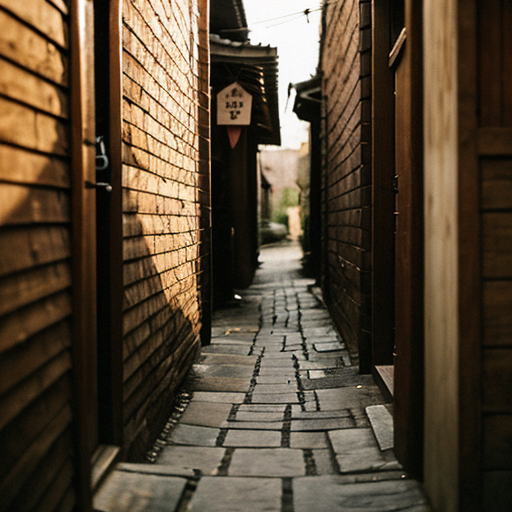
Most people come to Seoul for the sensory overload—the flickering neon of Gangnam, the sheer scale of the shopping districts, and the constant, rhythmic hum of a metropolis that never seems to catch its breath. But after living here for a few years, I’ve found that the real soul of this city isn't written in the bright lights. It’s tucked away in the places you only find when you stop looking at the map and start walking down those narrow, uneven alleys where the pavement hasn't been replaced in decades.
Beyond the Neon: Discovering Seoul's Quietest Corners Through its Back-Alley 'Makgeolli' Bars

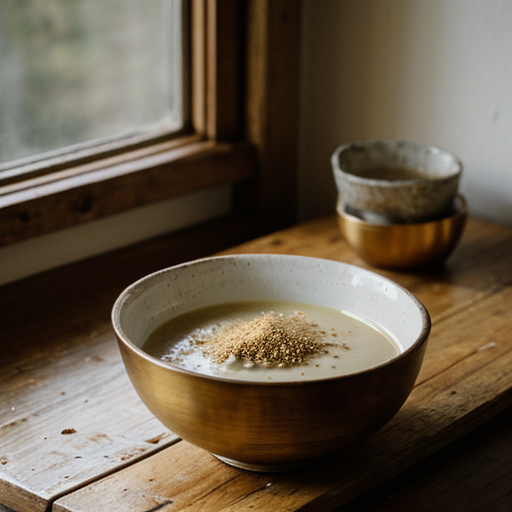
This is where I go to find the city's quietest corners, specifically those small, almost invisible makgeolli bars. These aren't the polished, trendy spots that appear on Instagram. These are often one-room affairs, managed by an elderly owner who has likely been serving the same fermented rice wine for thirty years. It’s a completely different kind of hospitality, one defined by the quiet clink of brass bowls and the smell of rain hitting hot asphalt.

Finding the Right Pour

When you walk into one of these back-alley spots, the atmosphere is heavy with nostalgia. You won't find a glossy menu; you get what is brewing or what the owner decided to source from a small-batch producer that morning. Makgeolli is a living thing, and in these hidden corners, you’re usually drinking it at its absolute peak.

  • Look for the signs: Often just a simple, faded lantern or a hand-written sign on the wall is your only clue.
  • Engage with the owner: A simple, respectful greeting goes a long way. They are usually curious about why a foreigner ended up in their quiet nook.
  • The pairing matters: Don’t skip the pajeon (scallion pancake). In these places, it’s rarely fancy, but it’s always made with fresh, local greens that make the drink pop.
Beyond the Neon: Discovering Seoul's Quietest Corners Through its Back-Alley 'Makgeolli' Bars

Why These Spaces Matter

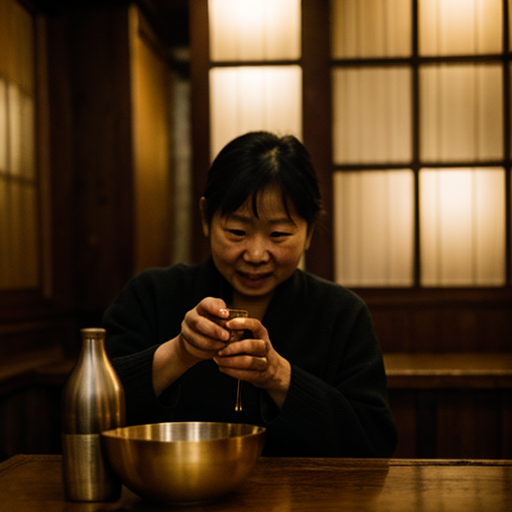
There is a peculiar comfort in a place that hasn't changed. In a city like Seoul, where buildings are torn down and reinvented every few years, these makgeolli bars serve as anchors. When I sit in a cramped wooden stool, listening to the muffled sounds of the distant city traffic, I feel like I’m sitting inside a time capsule. It’s a reminder that beneath the relentless push for modernization, there is a stubborn, beautiful tradition that refuses to be squeezed out.

Have you ever found a place while traveling that felt like it was keeping a secret just for you? That’s exactly how I feel when I slide a heavy curtain aside and step into a place that feels like someone’s living room, filled with the nutty, tangy aroma of hand-crafted makgeolli.
Beyond the Neon: Discovering Seoul's Quietest Corners Through its Back-Alley 'Makgeolli' Bars

A Different Way to Experience the City

If you’re planning to explore these spots, my best advice is to leave the guidebooks at home. Venture into neighborhoods like Euljiro or the older outskirts of Jongno. Let the alleys guide you. You might walk past ten closed doors, but the eleventh one might just lead you to the best evening of your trip.

These makgeolli bars aren't just about the drink; they are about slowing down. They demand that you put your phone away, sit with your thoughts, and appreciate the craftsmanship in a simple clay bowl. It’s the ultimate Seoul experience, precisely because it’s the one most people overlook.

Popular posts from this blog

Conquer Korea's 7 Great Mountains: Difficulty, Location, Recommended Courses Detailed Guide

Conquer Korea's 7 Great Mountains: Difficulty, Location, Recommended Courses Detailed Guide One of the best ways to enjoy the beautiful nature of South Korea is through hiking. Among countless famous mountains, the 7 Great Mountains of Korea are particularly beloved by many hikers for their grandeur and spectacular scenery. Are you looking for representative mountains of Korea that will offer an unforgettable experience to both beginner and experienced hikers? In this article, we'll provide detailed information on the difficulty, exact location , as well as the features and recommended hiking courses for each of the 7 Great Mountains of Korea . Discover valuable famous Korean mountain info that will be of practical help for your next hiking plan. Detailed Analysis of Korea's 7 Great Mountains 1. Jirisan (智異山) - The Spirit Mountain of the Nation ...

Forget K-BBQ: Discover the Hansik Buffet

Forget K-BBQ for a Second: Your Guide to Korea's Best Kept Secret, the Hansik Buffet If you're traveling to South Korea, your food checklist probably includes things like sizzling Korean BBQ, comforting Bibimbap, and crispy fried chicken. But what if I told you that you could have the essence of a traditional Korean home-cooked meal, with dozens of dishes to try, all for the price of a single fancy coffee? Welcome to the wonderful, delicious, and incredibly affordable world of the Hansik Buffet (한식 뷔페) . As a blogger obsessed with finding the most authentic and value-packed experiences, let me tell you: this is one local secret you cannot afford to miss. Forget everything you know about Western-style buffets with their lukewarm pasta and sad salads. This is a culinary adventure. What Exactly is a Hansik Buffet? Hansik (한식) simply means "Korean food," and a Hansik buffet is an all-you-can-eat restaurant specializing in traditional, home...

Why Do Koreans Take Off Their Shoes Indoors? A Deep Dive into Korean Home Etiquette and Cultural Norms | Complete Guide

Why Do Koreans Take Off Their Shoes Indoors? A Deep Dive into Korean Home Etiquette and Cultural Norms Ever wondered why Koreans take off their shoes indoors ? This common practice is more than just a habit; it's a deeply rooted cultural tradition in South Korea. From ancient heating systems to modern hygiene, removing shoes before entering a home is a fundamental aspect of Korean etiquette. Let's explore the fascinating reasons behind this custom. The Enduring Legacy of Ondol Heating One of the primary historical reasons why Koreans take off their shoes indoors traces back to the traditional Ondol heating system. For centuries, Korean homes have used underfloor heating, making the floor a central living space. People sit, eat, and even sleep on the warm floor. Keeping shoes off ensures the living area remains clean and comfortable for all activities, promoting a sense of warmth and inti...