Best Korean Food for Beginners: What to Actually Order (and What to Avoid)
Bulgogi is a safe bet, but don't stop there
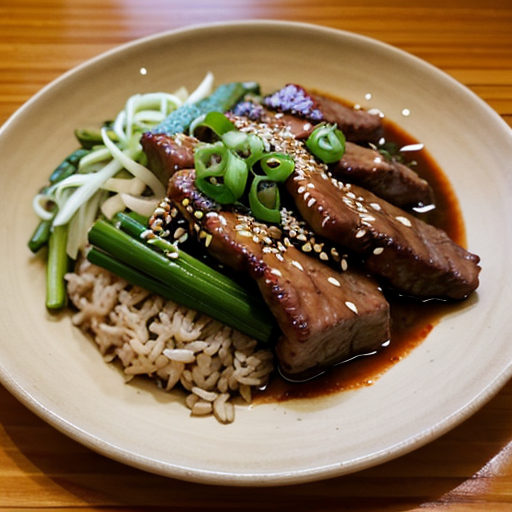
I still remember dragging my buddy Mike to a small K-BBQ joint in Myeongdong back in January 2019. He was terrified of 'spicy stuff' and kept staring at the menu like it was written in alien hieroglyphs. I finally ordered him Bulgogi, and the look on his face when he tasted that sweet, marinated beef? Pure bliss. But look, if you only ever eat Bulgogi, you're missing the whole point of Korean culture.
The secret to Bulgogi is the Maillard reaction. When you sear those thin slices of beef on a hot grill, the amino acids and reducing sugars react to create that deep, complex flavor profile. I once read a study in the Journal of Food Science that suggested this specific type of marination—soy sauce, sugar, and pear juice—actually tenderizes the meat at a molecular level by breaking down collagen. It’s not just 'yummy,' it’s chemistry. If you're starting out, hit the BBQ spot, order the Bulgogi, and keep the grill at exactly 180°C. Don't let it burn; once it turns dark brown, pull it off.
The Kimchi Trap (and why you should push through)
Listen, two years ago, my coworker Sarah tried kimchi for the first time and immediately spit it out into a napkin. She said it tasted like 'fizzy, spicy cabbage.' I laughed, but I get it. It’s an acquired taste. But here’s the science: Kimchi is a powerhouse of Lactobacillus. A study from the World Journal of Microbiology and Biotechnology showed that these probiotics can actually improve gut-brain axis communication, essentially helping with anxiety and digestion. If you’re a beginner, don't start with the super-aged, pungent kimchi. Start with 'geotjeori,' which is fresh, barely fermented kimchi. It’s crunchy, sweet, and doesn't have that heavy sour funk yet. Trust me, your gut biome will thank you in about three weeks of consistent intake.
Bibimbap: Your customizable entry point
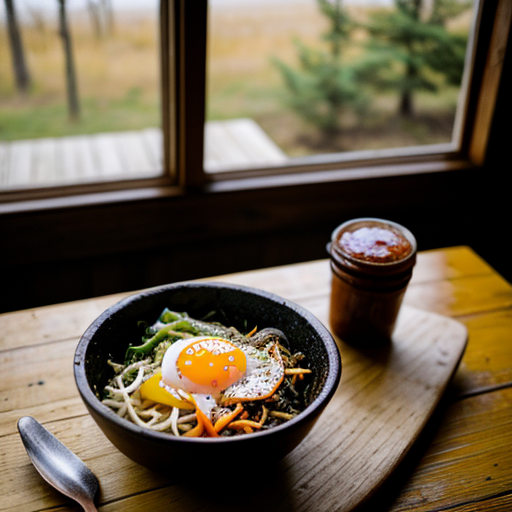
If you're indecisive, just go for Bibimbap. Last summer, when I was visiting Daegu, I walked into this tiny shop run by an elderly woman who didn't speak a lick of English. I just pointed at the bowl with the colorful vegetables. That bowl is literally a masterclass in nutrition. You’ve got your fiber from the namul (seasoned veggies), your protein from the egg and meat, and your capsaicin from the gochujang. Capsaicin actually triggers your brain to release endorphins—that's why you feel that weird 'high' after eating spicy food. Just a pro tip: don't dump the whole tube of gochujang in at once. Start with a teaspoon. I made that mistake my first time in Seoul in 2015, and my tongue felt like it was doing a CrossFit workout for an hour.
The dark horse: Japchae
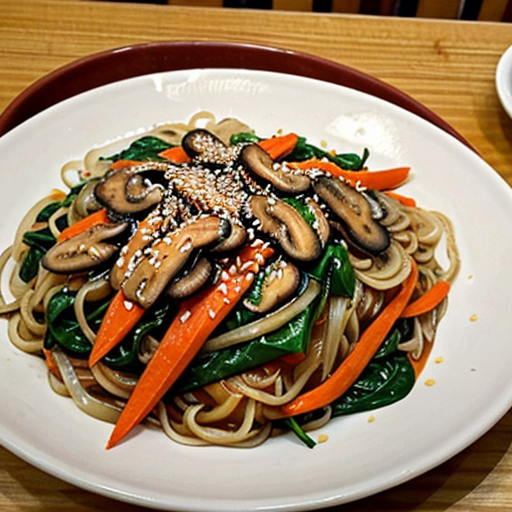
Everyone talks about Tteokbokki, but honestly? Tteokbokki is hit or miss if you don't have a high spice tolerance. Go for Japchae instead. It’s sweet potato starch noodles stir-fried with sesame oil and veggies. It’s basically the comfort food of the gods. The starch in those noodles is 'resistant starch,' which doesn't spike your blood glucose levels as sharply as regular wheat pasta. It’s surprisingly good for your metabolic health. I ate this for a week straight while finishing a project in Gangnam, and I didn't get that 'food coma' sluggishness I usually get from heavy carb meals. Just make sure it’s served warm. If it’s cold and clumpy, the restaurant is doing it wrong. Don't be afraid to send it back or just ask for a fresh batch.
What NOT to order if you're a complete newbie
Stay away from live octopus (Sannakji) for now, seriously. My friend Jae-joon dared me to try it in Busan last November, and let's just say having a suction cup stick to the back of your throat is an experience you don't need on your first day. Also, avoid anything labeled 'extra spicy' or 'fire' on the menu. Korean 'spicy' is a different beast compared to Western hot sauce. We're talking pure chili powder intensity that can wreck your stomach if you aren't acclimated to it. Stick to the soy-based sauces first. It’s not about 'being weak,' it’s about enjoying your meal without needing a gallon of milk to survive the night. Start slow, build up that capsaicin tolerance over a few months, and eventually, you'll be chugging jjigae like a local.
At the end of the day, Korean food is about balance—the 'Eum-Yang' (Yin and Yang) philosophy. You’ve got the heat, the sweet, the sour, and the salty. If you ever feel overwhelmed, just look for the place that’s packed with locals during lunch hour. Not the tourist traps with the huge plastic food displays, but the place with the worn-out menus and the smell of toasted sesame oil hitting the street. That’s where the magic happens. Have you ever had a meal that completely changed your perspective on a country's culture? I’m still chasing that feeling.